Introduction
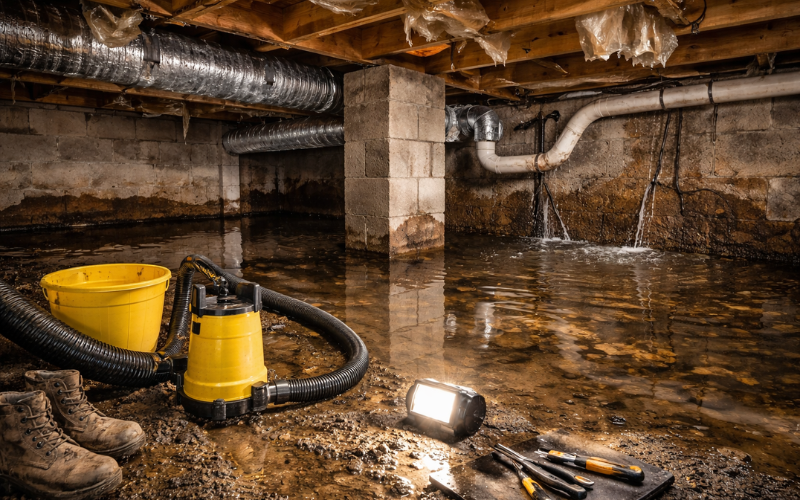
Water in crawl space is a common but serious problem that many homeowners face. A crawl space is the shallow area between the ground and the first floor of a home. It is often used to house plumbing, wiring, and insulation. When water collects in this area, it can create moisture problems that affect the entire house.
Water in a crawl space may appear as standing water, damp soil, or high humidity. Even a small amount of moisture can lead to bigger issues over time. Many homeowners do not realize there is a problem until they notice a musty smell, mold growth, or damage inside the home.
This issue is more common than people think. Heavy rain, poor drainage, plumbing leaks, and natural groundwater can all cause water in crawl space areas. If not handled quickly, it can lead to structural damage, health concerns, and costly repairs. In this article, we will explore why water collects in crawl spaces, the signs to look for, the risks involved, and the best ways to remove and prevent it.
Understanding Why Water Collects in a Crawl Space
There are several reasons why water in crawl space areas becomes a problem. One of the most common causes is natural groundwater. If your home is built in an area with a high water table, moisture can rise from the soil and collect under the house.
Poor drainage around the foundation is another major factor. When rainwater is not directed away from the home, it can seep into the crawl space. Clogged gutters, short downspouts, or soil that slopes toward the house instead of away from it can all contribute to the issue.
Plumbing leaks are also a frequent cause of water in crawl space areas. Pipes that run through the crawl space may develop small leaks over time. Even a slow drip can create serious moisture problems if left unnoticed.
Heavy rain and flooding can quickly overwhelm a crawl space. During storms, large amounts of water can enter through foundation cracks or vents. Homes located in flood-prone areas are especially at risk.
Improper grading around the home can also allow water to pool near the foundation. When the ground slopes toward the house instead of away from it, rainwater naturally flows into the crawl space instead of draining safely away.
Signs You Have Water in Your Crawl Space
Many homeowners do not regularly check their crawl space, so early signs of trouble are often missed. One of the first indicators of water in crawl space areas is a musty odor inside the home. Moisture creates the perfect environment for mold and mildew, which produce a strong, unpleasant smell.
Increased indoor humidity is another warning sign. If your home feels damp or sticky even when the weather is dry, moisture may be rising from the crawl space. Because air moves upward, problems below the house can affect indoor air quality.
Visible mold or mildew growth is a clear signal of moisture. Mold may appear on wooden beams, insulation, or even on floors above the crawl space. Over time, wood rot can weaken structural supports and create safety concerns.
Higher energy bills can also point to water in crawl space areas. Wet insulation loses its ability to regulate temperature. This forces your heating and cooling system to work harder, increasing energy costs.
The Risks of Ignoring Water in a Crawl Space
Ignoring water in crawl space areas can lead to serious consequences. One of the biggest risks is foundation damage. Continuous moisture can weaken soil and cause shifting or settling, which may result in cracks in walls and floors.
Mold growth is another major concern. Mold spores can travel through the home’s air system, affecting indoor air quality. This can lead to allergies, breathing problems, and other health issues, especially for children and older adults.
Pest infestations are also more likely in damp crawl spaces. Insects, rodents, and termites are attracted to moisture. Once they enter the crawl space, they can spread to other parts of the home.
Insulation damage is another costly issue. When insulation becomes wet, it loses its effectiveness and may need to be replaced. Over time, ongoing moisture can lead to long-term structural weakening that requires expensive repairs.
Water in crawl space areas should never be ignored. Even small amounts of moisture can grow into major problems if left untreated.
How to Inspect a Crawl Space Safely
If you suspect water in crawl space areas, inspection is important. Before entering, wear protective clothing such as gloves, long sleeves, and a mask. Crawl spaces may contain mold, insects, or sharp objects.
Use a flashlight to look for standing water, damp soil, mold, or damaged insulation. Check wooden beams for signs of rot or discoloration. Look for cracks in the foundation walls where water may be entering.
If you notice significant standing water, strong mold growth, or structural damage, it is best to contact a professional. Safety should always come first, especially if electrical wiring is present in wet areas.
Effective Solutions to Remove Water from a Crawl Space
There are several effective ways to remove water in crawl space areas and prevent it from returning. One common solution is installing a sump pump. A sump pump collects water and pumps it away from the foundation, helping keep the area dry.
Improving exterior drainage is also essential. Extending downspouts, cleaning gutters, and ensuring the soil slopes away from the house can reduce the amount of water that reaches the crawl space.
French drain systems can be installed around the foundation to redirect groundwater. These systems collect and channel water away from the home before it has a chance to enter.
Repairing plumbing leaks is another critical step. Even small leaks should be fixed immediately to prevent ongoing moisture problems.
Sealing foundation cracks can also help block water entry. Proper sealing reduces the chance of rainwater or groundwater seeping into the crawl space.
Combining these solutions often provides the best results. The right approach depends on the source and severity of the water problem.
Preventing Future Water Problems in Your Crawl Space
Prevention is always better than repair. Proper grading and landscaping around your home can significantly reduce the risk of water in crawl space areas. Make sure the ground slopes away from the foundation.
Regular gutter and downspout maintenance is also important. Keeping gutters clean ensures that rainwater flows away from the house instead of pooling near the foundation.
Crawl space encapsulation is a long-term solution that seals the area with a moisture barrier. This helps control humidity and prevents groundwater from rising into the space.
Installing a vapor barrier over the soil can further reduce moisture. Routine inspections, especially after heavy rain, allow you to catch problems early.
When Professional Help Is Necessary
In some cases, professional help is necessary to address water in crawl space areas. Persistent standing water that does not dry out quickly may indicate a larger drainage issue.
Structural concerns, such as sagging floors or large cracks, should always be evaluated by an expert. Severe mold growth requires proper removal to prevent health risks.
If moisture keeps returning despite your efforts, a professional inspection can identify hidden causes and recommend the right solution. Early professional intervention can save money in the long run.
Cost Factors Involved in Fixing Water in a Crawl Space
The cost of fixing water in crawl space areas depends on the severity of the problem. Minor repairs, such as sealing small cracks or fixing a plumbing leak, are usually affordable.
Major waterproofing projects, such as installing drainage systems or encapsulation, require a larger investment. However, these solutions often provide long-term protection and reduce the risk of costly structural damage.
Drainage system installation and sump pump setup vary in price based on the size of the crawl space and the complexity of the work. Ongoing maintenance costs should also be considered.
While the expense may seem high, addressing water in crawl space issues early is usually far less costly than repairing major damage later.
Conclusion
Water in crawl space areas is a problem that should never be ignored. What may seem like a small amount of moisture can quickly lead to mold, structural damage, and poor indoor air quality. Because the crawl space affects the entire home, keeping it dry is essential for both safety and comfort.
FAQs
1. Is water in crawl space normal after heavy rain?
A small amount of temporary moisture may occur after heavy rain, but standing water is not normal. If water remains for more than a short time, it should be addressed.
2. Can water in a crawl space affect indoor air quality?
Yes. Air from the crawl space can rise into the living areas, carrying moisture and mold spores with it.
3. How quickly should I fix water in my crawl space?
It is best to fix the problem as soon as possible. Delaying repairs can lead to more serious and expensive damage.
4. Will a dehumidifier solve crawl space moisture problems?
A dehumidifier can help control humidity, but it may not fix the root cause of water in crawl space areas. Proper drainage and waterproofing are often necessary.
