Introduction
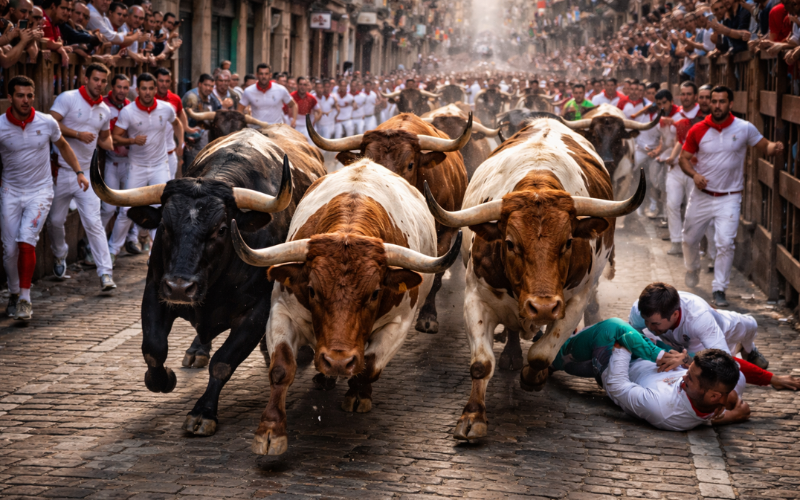
The encierro is one of the most widely recognized and debated traditional events in the world. Often described simply as a “running of the bulls,” the encierro involves people running through closed city streets alongside a small group of bulls being guided toward an arena. While the image is dramatic and intense, the encierro is more than a moment of adrenaline. It is a cultural practice shaped by history, tradition, and changing public views.
People search for the encierro today for many reasons. Some are curious after seeing it in the news or on social media. Others want to understand its origins, cultural meaning, or the real risks involved. For many, the encierro raises questions about tradition, safety, and how historical events fit into the modern world.
At its core, the encierro sits at the intersection of local tradition, global attention, and ongoing debate. Understanding it fully requires looking beyond short video clips and exploring where it came from, how it works, and why it continues to draw attention year after year.
The Origins of the Encierro
The encierro did not begin as a public spectacle. Its roots go back several centuries, when bulls needed to be moved from fields outside towns into city centers for trade, festivals, or bull-related events. Moving these animals through narrow streets was practical and direct, but it also required skill and coordination.
Over time, local residents began running alongside the bulls, partly to guide them and partly as a display of courage. What started as a practical task slowly took on symbolic meaning. Participation became a way for young men in particular to show bravery and earn respect within their communities.
As towns formalized their festivals, the encierro became a scheduled event rather than an informal necessity. Routes were defined, timing became consistent, and spectators began to gather. What was once a functional activity gradually transformed into a recognized tradition that blended work, risk, and ritual.
How the Encierro Is Traditionally Performed
A traditional encierro follows a set route through city streets that are closed off to regular traffic. The run usually takes place early in the morning and lasts only a few minutes, though preparation and anticipation build long before it begins.
The bulls are released from an enclosed area and guided toward a final destination, typically an arena. Runners move ahead of and alongside the animals, attempting to stay close without falling or getting injured. Spectators watch from behind barriers, balconies, and designated viewing areas.
The encierro involves several roles. The bulls are central, moving as a group guided by instinct and training. Runners choose how close they want to be, balancing excitement with personal safety. Organizers and officials monitor the event, enforce rules, and respond to emergencies. Together, these elements create a brief but intense experience that relies on coordination, tradition, and strict timing.
The Cultural Meaning of the Encierro
The encierro holds deep cultural importance for the communities where it takes place. It is not just about speed or bravery, but about identity and shared history. For locals, the encierro connects generations, linking modern participants to ancestors who took part centuries earlier.
Participation often carries symbolic meaning. Running in the encierro can represent courage, respect for tradition, and a sense of belonging. Even those who never run may feel connected through shared preparation, celebration, and storytelling.
The event also reinforces community bonds. Streets, homes, and public spaces become part of the tradition, turning the town itself into a living stage. This collective involvement helps explain why the encierro continues to matter deeply to many people who see it as part of who they are, not just something they watch.
The Encierro and the San Fermín Festival
The encierro is most famously associated with the San Fermín Festival, held annually in Pamplona, Spain. Within this larger celebration, the encierro serves as a central and defining event, taking place each morning over several days.
The festival includes music, religious ceremonies, parades, and social gatherings, but the encierro draws the most international attention. Its daily repetition during the festival creates a rhythm that shapes each day’s activities and mood.
Over time, the encierro became the symbol most closely linked with the San Fermín Festival. Media coverage, travel stories, and popular culture all contributed to this association, making the encierro the image many people think of first when the festival is mentioned.
Risks, Safety, and Reality of the Encierro
The encierro involves real physical danger. Bulls are large, powerful animals that can change direction quickly. Runners risk falls, collisions, and serious injuries if they misjudge distance or lose balance. These risks are not exaggerated; injuries occur every year, and participants are aware of the potential consequences.
At the same time, many misconceptions surround the encierro. Some believe it is completely chaotic or without rules, which is not accurate. The event is tightly regulated. Safety guidelines limit who can participate, ban alcohol use during the run, and require runners to follow specific conduct rules.
Emergency teams are positioned along the route, and the run is stopped or adjusted if conditions become unsafe. While these measures reduce risk, they do not remove it. Understanding the encierro means recognizing both the dangers involved and the efforts made to manage them responsibly.
Modern Views and Global Attention on the Encierro
International media has played a major role in shaping how the encierro is viewed today. Television broadcasts, documentaries, and online videos have turned a local tradition into a global spectacle. As a result, people from around the world travel to witness or participate in the event.
Tourism has brought economic benefits but also new challenges. Larger crowds increase pressure on infrastructure and raise questions about overcrowding and safety. At the same time, global attention has sparked conversations about animal welfare and the ethics of continuing such traditions.
Attitudes toward the encierro continue to evolve. Some see it as an important cultural expression worth preserving, while others question whether it fits modern values. These differing views reflect broader discussions about how societies balance heritage with changing social expectations.
Common Misunderstandings About the Encierro
One common misunderstanding is that the encierro is simply reckless entertainment. In reality, it follows a clear structure shaped by history and community norms. Another misconception is that all participants are tourists seeking thrills, when many runners are locals with long-standing personal connections to the tradition.
Media portrayals often focus on dramatic moments, which can distort understanding. Short clips rarely show the preparation, rules, or cultural context that surround the run. Without this background, it is easy to miss why the encierro holds meaning beyond its most intense scenes.
Context matters when understanding the encierro. Viewing it only through viral footage or headlines can oversimplify a complex tradition that carries different meanings for different people.
Why the Encierro Continues to Matter Today
The encierro continues to exist because it fulfills several roles at once. It preserves historical practices, strengthens community identity, and draws global attention. For many locals, it is a way of honoring tradition while participating in something that feels deeply personal.
At the same time, the encierro remains part of an ongoing debate between tradition and modern values. Discussions about safety, ethics, and cultural preservation shape how the event is managed and perceived each year.
What keeps people engaged is not only the excitement, but the story behind it. The encierro represents continuity, challenge, and the human desire to connect with the past while navigating the present.
Conclusion
The encierro is more than a dramatic run through city streets. It is a tradition shaped by history, community, and cultural meaning, as well as real risk and responsibility. Understanding the encierro requires looking beyond surface-level images to see how it fits into broader social and historical contexts.
Today, the encierro stands as an example of how long-standing traditions can inspire pride, curiosity, and debate at the same time. Its continued relevance lies in this complexity, reminding us that cultural practices are rarely simple, and their meaning often depends on perspective and context.
FAQs
1. What is the encierro in simple terms?
The encierro is a traditional event where people run through closed streets alongside bulls being guided to an arena, most famously in Pamplona, Spain.
2. Is the encierro extremely dangerous?
The encierro involves real risks, including injuries, but it is regulated with safety rules, trained staff, and emergency teams to reduce danger.
3. Do you have to be a local to run in the encierro?
No, both locals and visitors can participate, but runners must follow strict rules and understand the risks involved.
4. Why does the encierro still take place today?
The encierro continues because it is deeply rooted in tradition, community identity, and cultural history, despite ongoing debates about its place in modern society.
