Introduction
Tahinle is a word many people come across when searching for traditional foods, healthy ingredients, or Middle Eastern and Mediterranean flavors. While it may look unfamiliar at first, Tahinle is closely connected to a food that has been part of human diets for centuries. Today, people search for Tahinle not only out of cultural curiosity but also because of growing interest in natural, plant-based, and simple foods. From traditional kitchens to modern lifestyles, Tahinle continues to hold an important place in everyday eating.
Understanding What Tahinle Really Is
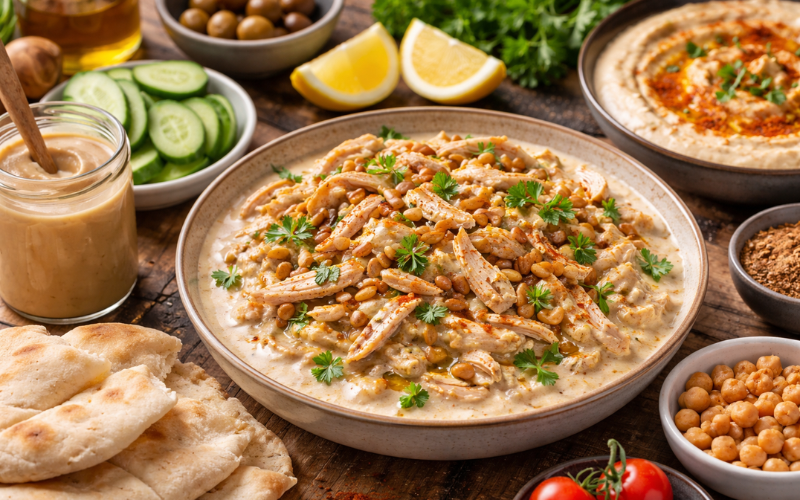
Tahinle generally refers to tahini, a thick paste made from ground sesame seeds. In many regions, especially in Middle Eastern, Turkish, and surrounding cultures, the word “Tahinle” is used to describe foods made with tahini or dishes where tahini is a key ingredient. Over time, the term has become a common way to refer to sesame-based pastes or tahini-rich preparations.
At its core, Tahinle represents simplicity. It is made by grinding sesame seeds into a smooth, creamy paste without the need for additives or complex processing. Because of this, people often associate Tahinle with natural eating and traditional food practices. In modern use, Tahinle is commonly defined as a sesame seed paste that can be used on its own or as part of many different dishes, both sweet and savory.
Today, Tahinle is known not just as a traditional ingredient but as a versatile food that fits into many modern diets. It is valued for its taste, texture, and nutritional qualities, which is why it continues to be searched for and used around the world.
Where Tahinle Comes From and How It Is Traditionally Made
The roots of Tahinle go back thousands of years. Sesame seeds are one of the oldest oil-producing crops known to humans. Historical records show that sesame was grown and used in the Middle East, parts of Africa, and South Asia long before modern food processing existed. Tahinle developed naturally as people discovered that grinding sesame seeds created a rich and flavorful paste.
Traditionally, Tahinle was made in small batches, often within local communities. Sesame seeds were carefully cleaned, sometimes lightly roasted, and then ground using stone mills. This slow process preserved the natural oils and flavors of the seeds. The result was a paste that could be stored, shared, and used in many meals.
Culturally, Tahinle became a foundation of many regional dishes. It was not seen as a luxury but as a daily food item. Families passed down methods of making and using Tahinle, which helped keep its role strong across generations. Even today, many people still prefer Tahinle made using traditional methods because of its taste and texture.
Traditional Grinding and Ingredient Simplicity
One of the most important aspects of Tahinle is how simple it is. Traditionally, the only ingredient used was sesame seeds. No preservatives, sweeteners, or oils were added. The grinding process itself released the natural oils found in sesame seeds, creating a smooth paste.
Stone grinding played a key role in traditional Tahinle production. This method kept heat low, which helped maintain the flavor and nutritional value of the sesame seeds. Even in modern times, some producers continue to use stone grinding because it closely matches the original process and produces a more balanced texture.
This simplicity is one reason Tahinle has lasted so long. It does not rely on trends or technology. Instead, it reflects a food culture built around natural ingredients and careful preparation.
How Tahinle Is Used in Everyday Cooking
Tahinle is used in many everyday meals, often without much thought because it blends so easily into food. In many homes, it is treated like a staple ingredient, similar to butter or oil. People spread it, mix it, drizzle it, or stir it into dishes to add depth and richness.
In savory cooking, Tahinle is often combined with simple ingredients like lemon juice, garlic, and water to create smooth sauces. These sauces are commonly poured over vegetables, grains, or meats. Tahinle also acts as a natural thickener, helping soups and stews feel more filling without needing cream or flour.
In everyday meals, Tahinle is appreciated because it enhances flavor without overpowering other ingredients. Its mild, nutty taste works well with both strong spices and simple foods.
Savory Dishes and Popular Pairings
In savory dishes, Tahinle pairs well with chickpeas, eggplant, beans, and leafy vegetables. Many people enjoy it as part of traditional meals that focus on balance and freshness. It is also used in wraps, sandwiches, and grain bowls, making it easy to include in modern meals.
Because Tahinle blends smoothly, it is often used in plant-based cooking as a substitute for dairy-based sauces. This makes it especially popular among people looking for lighter or dairy-free options.
Sweet Uses of Tahinle in Different Cultures
While Tahinle is well known for savory foods, it also has a long history in sweet dishes. In some cultures, Tahinle is mixed with natural sweeteners like molasses or honey to create simple spreads. These are often eaten at breakfast or as a light dessert.
The slightly bitter and nutty flavor of Tahinle balances sweetness well. This is why it is sometimes added to baked goods or desserts, where it adds richness without being overly sweet.
Taste, Texture, and How Tahinle Compares to Other Seed Butters
Tahinle has a smooth, creamy texture that can range from thick to pourable depending on how it is made. Its taste is nutty, slightly bitter, and earthy. Unlike peanut butter, which is often sweetened, Tahinle usually has no added sugar, giving it a more neutral flavor.
When compared to other seed butters, Tahinle stands out for its simplicity and versatility. Sunflower seed butter, for example, tends to have a stronger roasted flavor. Almond or peanut butter often feels heavier and sweeter. Tahinle, on the other hand, feels lighter on the palate and blends easily into both sweet and savory foods.
This balance makes Tahinle unique. It does not dominate a dish but supports other flavors, which is why chefs and home cooks alike continue to use it.
Nutritional Profile of Tahinle and What Makes It Valuable
Tahinle is often seen as a smart food choice because it provides both energy and nutrients. It is made from sesame seeds, which are naturally rich in healthy fats, plant-based protein, and essential minerals. These qualities make Tahinle appealing to people who want food that is both satisfying and nourishing.
Unlike heavily processed spreads, Tahinle keeps most of the natural nutrients found in sesame seeds. This makes it suitable for people who prefer whole and minimally processed foods. Its healthy fat content also helps create a feeling of fullness, which can support balanced eating habits.
Key Nutrients Found in Tahinle
Tahinle contains healthy fats that support overall energy needs. It also provides plant-based protein, which is important for muscle maintenance and general health. In addition, Tahinle is a natural source of minerals such as calcium, iron, magnesium, and zinc. These nutrients play a role in bone health, blood function, and immune support.
Who Commonly Uses Tahinle and Why It Fits Modern Diets
Tahinle is used by a wide range of people across different lifestyles. In traditional cultures, it remains a daily food item passed down through generations. In modern settings, it has gained popularity among people who follow plant-based, vegetarian, or flexible diets.
Many people choose Tahinle because it fits well into diets that focus on natural ingredients. It is also suitable for those who avoid dairy, making it useful in vegan cooking. For individuals with peanut allergies, Tahinle can be a safer alternative, although sesame allergies should always be considered.
Modern food trends emphasize balance, simplicity, and cultural connection. Tahinle fits naturally into these trends because it offers tradition, nutrition, and flexibility in one ingredient.
How to Choose, Store, and Use Tahinle the Right Way
Choosing good-quality Tahinle often comes down to checking the ingredients. Traditional Tahinle usually contains only sesame seeds. The texture may vary, and natural oil separation is normal. This does not mean the product is spoiled.
Storage is simple. Tahinle should be kept in a cool, dry place and stirred if oil separates. Once opened, many people store it at room temperature, while others prefer refrigeration for a firmer texture.
Using Tahinle does not require special skills. It can be mixed, spread, or diluted with water and lemon juice depending on preference. Its flexibility is one of the reasons it remains popular in both traditional and modern kitchens.
Final Thoughts
Tahinle is more than just a food ingredient. It represents a connection between tradition and modern eating habits. Its simple preparation, rich history, and natural nutritional value explain why it continues to be relevant today. Whether used in traditional meals or modern diets, Tahinle remains a trusted and versatile choice that fits naturally into everyday life.
FAQ
1. What does Tahinle taste like?
Tahinle has a nutty, slightly bitter, and earthy taste. It is not sweet on its own and has a smooth, creamy texture that blends well with many foods.
2. Is Tahinle the same as tahini or different?
Tahinle generally refers to tahini or foods made with tahini. In many cultures, the words are used interchangeably, although Tahinle may also describe dishes that include tahini.
3. Can Tahinle be eaten every day?
Yes, Tahinle can be eaten regularly as part of a balanced diet. Its healthy fats and nutrients make it suitable for frequent use when consumed in reasonable amounts.
4. Is Tahinle suitable for people with nut allergies?
Tahinle is made from sesame seeds, not nuts, so it is often suitable for people with nut allergies. However, people with sesame allergies should avoid it.
