Introduction
The phrase switching 2nd is often used when talking about changing into second gear in vehicles, especially manual transmission cars or motorcycles. For many drivers, this moment in driving feels simple and routine. However, for beginners or people learning how manual vehicles work, switching 2nd can sometimes feel confusing or even difficult.
People often search for information about switching 2nd because they notice problems when shifting gears. The car might jerk, make noise, or lose power during the transition. In other cases, drivers may simply want to understand how gear changes work so they can drive more smoothly and confidently.
Switching 2nd commonly occurs during everyday driving situations. It usually happens when a vehicle starts moving and begins to gain speed. The driver shifts from first gear to second gear to allow the car to move faster without putting too much strain on the engine.
Understanding What Switching 2nd Really Means
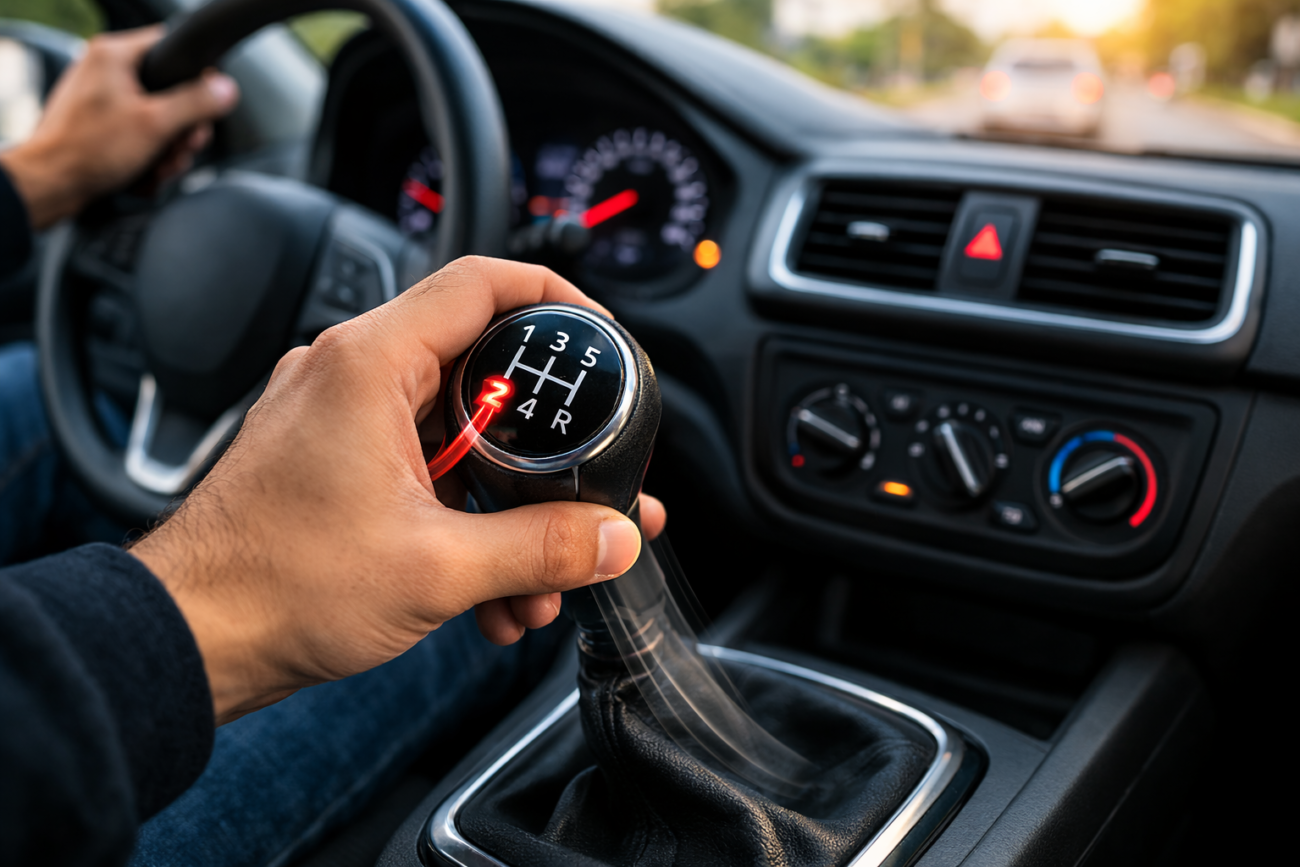
At its simplest, switching 2nd refers to shifting a vehicle’s transmission from first gear into second gear. In manual transmission vehicles, this change is made by pressing the clutch pedal and moving the gear lever into the second gear position.
First gear is designed to help a car start moving from a complete stop. It provides strong power but is not meant for higher speeds. Once the car begins moving, the driver switches to second gear so the vehicle can continue accelerating smoothly.
Second gear allows the engine to work more efficiently as the vehicle gains speed. It reduces strain on the engine and improves overall driving performance. Without switching 2nd at the right time, the engine may rev too high or the vehicle may feel unstable.
For beginners, the concept can feel confusing because several actions happen at the same time. The driver must coordinate the clutch, accelerator, and gear lever together. If the timing is off, the shift may feel rough or the car may jerk slightly. This is why many new drivers spend time practicing smooth gear changes, especially when switching 2nd.
Common Situations Where Switching 2nd Happens
Switching 2nd happens frequently during normal driving. One of the most common situations is when a vehicle begins moving from a stop, such as at a traffic light or a stop sign. The driver starts in first gear and then switches to second gear once the vehicle reaches a moderate speed.
Another situation where switching 2nd occurs is during slow city driving. In areas with frequent stops and starts, drivers may repeatedly shift between first and second gear as traffic moves and slows down.
Switching 2nd also happens when driving uphill. First gear helps the vehicle start moving with enough power, especially on steep roads. After gaining a little speed, switching 2nd allows the vehicle to continue climbing smoothly without overworking the engine.
Drivers often notice switching 2nd more clearly during the learning phase of driving. Because beginners focus carefully on each movement, they become more aware of how the car responds during gear changes.
The Key Reasons Behind Switching 2nd
The main reason for switching 2nd is to balance power and speed. First gear provides strong power for starting movement, but it is not designed for higher speeds. As the car begins to move, the engine needs a different gear that allows smoother acceleration. This is where second gear becomes important.
Another reason for switching 2nd is to protect the engine. Staying in first gear for too long can cause the engine to run at very high revolutions per minute. This can lead to unnecessary wear on engine components over time.
External factors can also influence when switching 2nd happens. Road conditions, vehicle weight, and driving style all play a role. For example, drivers may switch earlier on flat roads but wait slightly longer when driving uphill.
Sometimes switching 2nd may feel unexpected if the driver is still learning proper timing. If the gear change happens too early, the engine may struggle. If it happens too late, the engine may rev loudly. Finding the right moment takes practice and experience.
Signs That Switching 2nd Is Occurring
There are several clear signs that switching 2nd is taking place. One of the most noticeable indicators is the movement of the gear lever from the first gear position into second gear.
Another sign is the change in engine sound. When a vehicle moves from first gear to second gear, the engine noise usually becomes calmer and more stable. This happens because the engine is no longer working as hard to maintain movement.
Drivers may also notice a smoother driving feel once switching 2nd is completed correctly. The vehicle begins to accelerate more naturally, and the engine speed drops slightly.
If the shift is not done smoothly, the driver might feel a small jerk or sudden movement. This often means the clutch or accelerator timing was slightly off. Recognizing these signs helps drivers improve their shifting technique over time.
How Switching 2nd Affects Performance or Outcomes
Switching 2nd plays an important role in overall vehicle performance. In the short term, a smooth shift helps maintain steady acceleration and improves driving comfort. The vehicle moves forward without sudden jerks or interruptions.
If switching 2nd is done incorrectly, the driver may experience hesitation, engine noise, or loss of power. These issues can make driving less comfortable and may create frustration for new drivers.
Over the long term, proper gear shifting can extend the life of a vehicle’s transmission and engine. Smooth transitions between gears reduce mechanical stress and allow the vehicle to operate more efficiently.
Understanding how switching 2nd works also helps drivers feel more confident behind the wheel. Once the process becomes natural, driving a manual vehicle becomes easier and more enjoyable.
Practical Ways to Manage or Control Switching 2nd
Managing switching 2nd smoothly requires practice and good coordination. One of the most helpful strategies is learning to release the clutch gradually while gently pressing the accelerator. This balance allows the gear change to happen smoothly.
Drivers should also pay attention to engine sound and vehicle speed. These signals help determine the right moment to switch gears. Over time, drivers develop a natural sense of when switching 2nd should occur.
Consistency is another important factor. Practicing gear shifts in calm driving environments, such as quiet roads or empty parking areas, can help build confidence.
In some cases, switching 2nd may feel difficult because of mechanical issues. If the gear lever feels stiff or the vehicle makes unusual noises, it may be helpful to have the transmission checked by a professional.
Mistakes People Often Make When Dealing With Switching 2nd
Many drivers, especially beginners, make small mistakes when switching 2nd. One common misunderstanding is shifting too quickly without fully pressing the clutch. This can cause grinding noises or rough gear engagement.
Another mistake is releasing the clutch too suddenly. When this happens, the vehicle may jerk forward, making the shift feel uncomfortable.
Some drivers also wait too long before switching 2nd. This can cause the engine to rev too high and create unnecessary strain on the vehicle.
Avoiding these mistakes mainly comes down to patience and practice. With time, drivers learn to control their movements and make gear changes more smoothly.
When Switching 2nd Is Normal — and When It May Need Attention
In most cases, switching 2nd is a completely normal and essential part of driving a manual transmission vehicle. Every driver performs this action multiple times during a typical trip.
However, there are situations where switching 2nd may require closer attention. If the vehicle consistently jerks, refuses to shift, or makes grinding sounds during the change, there may be a mechanical issue.
Difficulty shifting could be related to clutch wear, transmission problems, or incorrect driving technique. When these problems appear regularly, it may be helpful to inspect the vehicle or seek professional advice.
Understanding the difference between normal gear changes and possible issues helps drivers respond appropriately and maintain their vehicle in good condition.
Conclusion
Switching 2nd is a simple but important part of driving a manual transmission vehicle. It refers to the moment when a driver shifts from first gear into second gear as the vehicle begins to gain speed.
Although the process may feel challenging at first, it becomes easier with practice and experience. Learning the right timing, coordinating the clutch and accelerator, and paying attention to engine sound can all help make switching 2nd smoother.
By understanding why switching 2nd happens and how it affects vehicle performance, drivers can improve their driving skills and protect their vehicle from unnecessary strain. With patience and regular practice, the gear change becomes a natural part of everyday driving.
FAQs
1. What does switching 2nd mean in driving?
Switching 2nd means shifting a vehicle’s transmission from first gear to second gear as the car begins to gain speed.
2. When should you switch to second gear?
Drivers usually switch to second gear after the car starts moving and reaches a moderate speed, typically around 10–20 km/h depending on the vehicle.
3. Why does my car jerk when switching 2nd?
Jerking can happen if the clutch is released too quickly or if the accelerator and clutch are not coordinated smoothly during the shift.
4. Is switching 2nd different in every car?
Yes, the exact timing can vary depending on the vehicle’s engine power, transmission design, and driving conditions.
5. Can switching 2nd incorrectly damage the car?
Occasional mistakes usually do not cause serious damage, but repeated rough shifting can increase wear on the clutch and transmission over time.
