Introduction
São Miguel Island is quickly becoming one of the most talked-about island destinations for travelers who value nature, calm surroundings, and authentic experiences. Located in the middle of the Atlantic Ocean, this island offers a rare mix of green landscapes, volcanic scenery, and a peaceful way of life that feels increasingly hard to find elsewhere. As more people look for travel that feels meaningful rather than rushed, São Miguel Island continues to stand out.
Understanding Where São Miguel Island Fits in the Azores
São Miguel Island is the largest island in the Azores, an autonomous region of Portugal made up of nine volcanic islands. Often described as the gateway to the Azores, São Miguel plays an important role both geographically and culturally. It is home to the region’s main airport, the largest population, and many essential services, which makes it a natural starting point for visitors discovering the islands.
Despite being the most developed island in the Azores, São Miguel has not lost its connection to nature. The island still feels open, green, and deeply shaped by the ocean and volcanic land beneath it. Its location in the middle of the Atlantic also gives it a unique climate, where weather can change quickly, adding to the island’s sense of unpredictability and natural beauty.
What Makes São Miguel Island Visually and Naturally Unique
Volcanic Landscapes That Shape the Island’s Identity
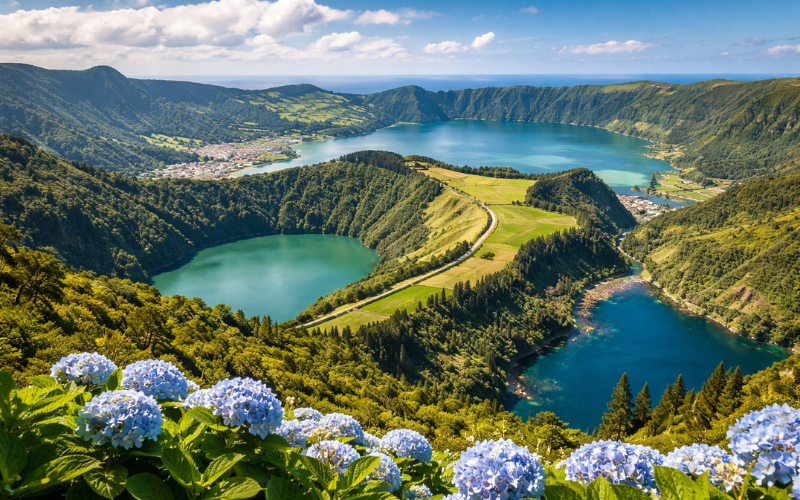
São Miguel Island owes much of its appearance to volcanic activity. Craters, hills, and valleys shape the land, creating dramatic views that feel both powerful and calming. In many places, volcanic lakes sit quietly inside old craters, reminding visitors that the island is alive beneath the surface. Steam rising from the ground, natural hot springs, and dark volcanic rock are all part of everyday scenery.
This volcanic foundation also enriches the soil, which explains why the island is so green. Fields, forests, and hillsides appear lush throughout the year, giving São Miguel Island its well-known nickname as the “Green Island.”
Lakes, Coastlines, and Green Scenery Found Nowhere Else
Beyond its volcanic roots, São Miguel Island offers an impressive variety of natural scenes within a relatively small area. Freshwater lakes reflect the sky, cliffs drop directly into the Atlantic Ocean, and coastal paths open to wide sea views. Hydrangeas line many roads during warmer months, adding soft color to the already rich landscape.
The contrast between deep blue water, green land, and dark volcanic stone creates a visual balance that feels both wild and peaceful. This diversity is one reason many visitors describe São Miguel Island as a place where nature feels close and ever-present.
Daily Life and Atmosphere on São Miguel Island
Life on São Miguel Island moves at a slower and more thoughtful pace. Small towns and villages are centered around local routines rather than tourism schedules. Cafés fill gradually in the morning, conversations feel unhurried, and daily life follows natural rhythms shaped by weather and seasons.
Unlike crowded island destinations, São Miguel rarely feels overwhelming. Even in busier periods, the atmosphere remains calm and welcoming. Visitors often notice how easy it is to blend into local life, whether by walking through neighborhoods, stopping at small bakeries, or simply spending time outdoors. This relaxed environment plays a major role in why people feel comfortable staying longer than planned.
Best Times of Year to Visit São Miguel Island
How Weather Patterns Affect Travel Experiences
São Miguel Island has a mild climate throughout the year, thanks to its Atlantic location. Temperatures remain comfortable rather than extreme, making outdoor exploration possible in most seasons. However, the island is known for changing weather, where sunshine, clouds, and light rain can all appear in the same day.
This variation adds character rather than difficulty, as landscapes often look different depending on light and mist. Travelers who remain flexible usually find the weather enhances the experience instead of limiting it.
Seasonal Differences in Activities and Crowds
The most popular months to visit São Miguel Island are late spring through early autumn, when days are longer and outdoor conditions are more predictable. During these months, the island feels lively but still far from crowded compared to many global destinations.
Winter brings fewer visitors and a quieter atmosphere. While some days are rainier, the island remains green and active, offering a more reflective experience for travelers who prefer calm surroundings. Each season reveals a slightly different side of São Miguel Island, making it appealing year-round.
Things Visitors Commonly Do on São Miguel Island
Visitors to São Miguel Island often spend their time exploring nature at a gentle pace. Walking along lakes, viewing coastal cliffs, and enjoying scenic drives are common ways to experience the island. Many travelers also enjoy slowing down, spending time in natural thermal areas, or simply appreciating the landscape without a strict schedule.
Cultural experiences are subtle rather than staged. Local food, daily routines, and community events offer insight into island life without feeling designed for tourists. This balance allows visitors to feel like observers rather than spectators, which adds depth to the overall experience.
How São Miguel Island Balances Tourism and Preservation
One of the most important aspects of São Miguel Island is its careful approach to growth. Tourism exists, but it does not dominate the island’s identity. Local authorities and communities emphasize preservation of landscapes, respect for nature, and responsible visitor behavior.
Protected areas, controlled development, and awareness of environmental impact help maintain the island’s natural character. As a result, São Miguel Island continues to feel authentic, even as interest grows. This balance between openness and protection is a key reason the island remains appealing to travelers seeking meaningful destinations.
Practical Expectations Before Visiting São Miguel Island
Traveling to São Miguel Island requires a mindset focused on flexibility and comfort rather than strict planning. Roads can be winding, distances may take longer than expected, and weather can shift without warning. These factors encourage visitors to slow down and adapt rather than rush.
Comfortable footwear, patience, and curiosity are more valuable than packed schedules. Transportation is available, but many travelers prefer personal freedom to explore at their own pace. Understanding these practical elements helps visitors enjoy São Miguel Island as it is, rather than expecting it to function like a heavily commercial destination.
Conclusion
São Miguel Island continues to attract attention because it offers something increasingly rare: space to breathe, landscapes shaped by nature, and a way of life that feels grounded and real. Its position within the Azores, combined with volcanic beauty, calm daily rhythms, and thoughtful preservation, makes it more than just a scenic destination. For travelers seeking connection with nature and a more mindful travel experience, São Miguel Island stands out as a place worth discovering slowly and respectfully.
FAQs
1. Is São Miguel Island suitable for first-time island travelers?
Yes, São Miguel Island is often considered one of the easiest islands to visit in the Azores. Its infrastructure, accessibility, and calm environment make it welcoming for travelers new to island destinations.
2. How many days are enough to explore São Miguel Island properly?
Most visitors find that a stay of five to seven days allows time to explore the island comfortably without feeling rushed, though longer stays are common.
3. Is São Miguel Island more about relaxation or adventure?
The island naturally supports both. Some travelers focus on peaceful exploration and scenery, while others enjoy more active outdoor experiences. The balance is flexible.
4. What kind of traveler enjoys São Miguel Island the most?
São Miguel Island appeals most to travelers who value nature, authenticity, and slower travel experiences over nightlife or large-scale entertainment.
