Introduction
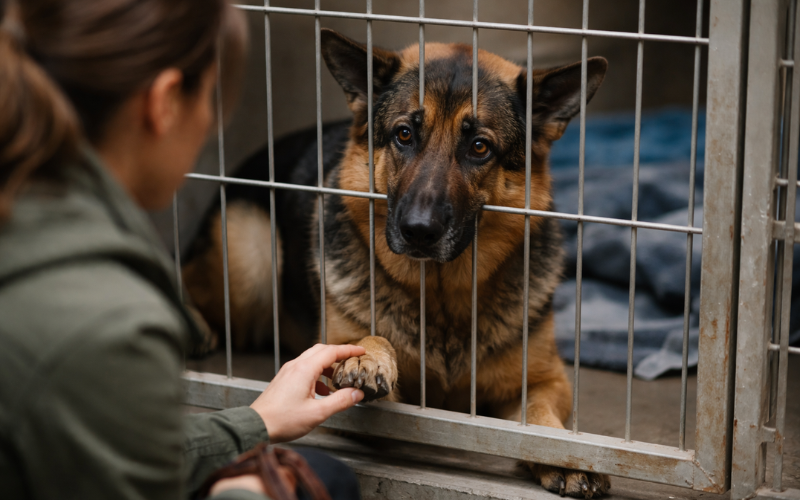
Sad german shepherd adoption is something many people search for after seeing a German Shepherd in a shelter looking quiet, shut down, or heartbroken. That look can be hard to forget. But “sad” is not a life sentence for a dog, and it does not always mean a dog is “broken” or unsafe. Often, it is a normal response to a stressful place, sudden life changes, or confusion about what happened to them.
Why So Many German Shepherds End Up Looking Sad in Shelters
German Shepherds are intelligent, loyal, and deeply bonded dogs. That strong bond is one reason they can appear especially sad when their world changes. Shelters are loud, busy, and full of unfamiliar smells and sounds. Dogs that are sensitive or people-focused may shut down in that environment. A German Shepherd may stop playing, avoid eye contact, or sit still in the back of a kennel because they are overwhelmed, not because they have “given up.”
Another factor is the sudden loss of routine. Many German Shepherds thrive on structure. They like knowing what happens next, who their people are, and what their job is. When they move from a home to a shelter, everything changes at once. Meals, walks, voices, and even the floor under their feet feel different. That uncertainty can look like sadness, even when the dog is simply trying to cope.
Shelter life also limits normal behavior. A dog that once had a yard, toys, a couch, and daily family time may now have short walks and little privacy. Some dogs respond by barking and spinning; others respond by becoming quiet and still. Both can be signs of stress.
Owner surrender and abandonment can add another layer. Sometimes families give up a dog because of moving, money problems, illness, or lack of time. Sometimes a dog is found as a stray. In those situations, a German Shepherd may feel confused, or they may be grieving the people they trusted. It is also possible the dog had poor care or neglect before arrival. You cannot always know the full story right away, but the shelter environment alone is enough to make many dogs look “sad.”
What “Sad German Shepherd Adoption” Really Means
The phrase sad german shepherd adoption can mean different things to different people. For some, it means adopting a dog that looks depressed in a kennel photo. For others, it means adopting a dog that has been through hard experiences and needs emotional support. The important step is to separate appearance from reality.
Many dogs act very differently once they leave the shelter. A dog that looked lifeless behind bars may become curious and affectionate in a quiet home. That is because stress can mask personality. On the other hand, some dogs truly need more time and gentle help. They may be fearful, jumpy, or unsure about people, noise, or new places. That does not mean they cannot become wonderful companions. It just means the adoption should be thoughtful and patient.
A simple way to understand it is this: stress is often temporary, while trauma may take longer. Stress might show up as low energy, less appetite, sleeping more, or being quiet. Trauma may show up as intense fear, panic, freezing, or strong reactions to normal daily life. Even then, many dogs improve a lot with consistent care.
Adjustment time varies. Some German Shepherds relax within a few days. Others take weeks. A common pattern is the first few days feel calm but uncertain, then anxiety shows up once the dog realizes this is a new life, and then gradual improvement happens as routine becomes familiar. If you go into sad german shepherd adoption expecting an instant “happy dog,” you may feel worried too soon. If you go in expecting a slow, steady change, you will be prepared.
How to Choose the Right Sad German Shepherd for Your Home
It is natural to feel emotional when you see a sad dog. But choosing based only on emotion can lead to mismatch, and that is not fair to you or the dog. A responsible sad german shepherd adoption starts with honesty about your lifestyle, experience, and time.
Talk to the shelter or rescue in detail. Ask what they have observed, not what they assume. Find out how the dog behaves during walks, during handling, around other dogs, and around strangers. Ask if the dog has been tested with basic situations such as being approached while eating, being touched, or hearing sudden sounds. If they do not know, that is not automatically a red flag, but it means you should plan for extra caution and slow introductions.
Temperament matters more than a sad expression. Some dogs are naturally calm and quiet. Some are shy but gentle. Some are energetic and need daily activity. German Shepherds also vary a lot by age. A younger dog might bounce back quickly but still need training and exercise. An older dog may be calmer but might have health needs. Background matters too. A dog that lived with a family may be house-trained and social but may also grieve more at first. A dog with unknown history may be fine, but you should be ready to learn as you go.
Also think about your home environment. If you have very young children, frequent visitors, or a noisy household, a sensitive German Shepherd may struggle at first. That does not mean you cannot adopt, but it does mean you should choose a dog whose comfort level matches your daily life. If possible, spend time with the dog outside the kennel, in a quiet room or yard, and watch for small signs of comfort such as sniffing, soft eyes, curiosity, or gentle engagement.
Preparing Your Home for a Sensitive German Shepherd
A big part of success in sad german shepherd adoption is what you do before the dog arrives. Sensitive dogs do better when their new home feels predictable and calm. You do not need expensive supplies, but you do need a plan.
Start by choosing a quiet area where the dog can rest without being disturbed. This could be a corner of a room or a crate with a blanket over part of it to create a cozy feel. The goal is to give the dog a safe space where nothing demands attention. Many new adopters mean well but overwhelm a scared dog with constant talking, petting, and visitors. Quiet safety builds confidence faster than excitement.
Routine is another key. Decide ahead of time when meals, walks, and rest will happen. German Shepherds often relax when they know what to expect. Keep the first week simple. Too many trips, too many new people, or too many new rules can confuse a dog that is already stressed.
It also helps to reduce pressure in the beginning. Avoid long staring, tight hugs, or forcing contact. Let the dog come to you. Keep voices soft and movements slow. If you have other pets, plan slow introductions. If you have children, explain that the dog needs space and calm. In many cases, the dog’s “sad” look starts fading once they realize they will not be pushed or punished for being afraid.
Building Trust With a Sad Rescue German Shepherd
Trust is not something you demand. It is something you earn, especially in sad german shepherd adoption where the dog may be unsure about people. The first month is important because it sets the emotional tone for the relationship.
In the early days, focus on safety and predictability. Feed on time. Walk on time. Keep your reactions steady. If the dog is hesitant, do not act frustrated. If the dog is clingy, do not push them away harshly. You are teaching them what your home feels like. Calm consistency is a powerful message.
Bonding happens through small moments. Sitting nearby while the dog rests, offering treats gently, and allowing the dog to choose contact can be more effective than constant petting. Some German Shepherds prefer to watch you before they engage. That is normal. When they begin to follow you around or check in with you, they are starting to feel safe.
Positive reinforcement matters here because it builds confidence without fear. Reward the behaviors you want, such as coming when called, sitting calmly, or walking with less tension. Avoid harsh corrections, yelling, or punishment. A fearful dog may shut down more if they feel threatened. A sensitive German Shepherd learns best when they feel protected.
Emotional recovery can look slow at first. You may notice the dog sleeps a lot, eats slowly, or startles easily. Over time, you might see small signs of healing: a relaxed body, a wagging tail, playful interest, or choosing to rest near you. Those are meaningful wins. If you are patient, many dogs who seemed deeply sad become affectionate, steady companions.
Common Challenges After Adopting a Sad German Shepherd
It is important to talk about real challenges so you are not surprised. Sad german shepherd adoption can come with issues that are common and manageable, but they require effort.
Separation anxiety is one possibility. A dog who has lost a home may fear being left again. This might show up as whining, pacing, barking, or destructive behavior when alone. The solution is usually gradual training, not punishment. Start with short absences, build up slowly, and keep departures and arrivals calm. Some dogs benefit from leaving them with a safe chew or a comfortable resting spot. If anxiety is severe, professional help can make a big difference.
Fear-based behaviors are also common. A dog may be scared of loud noises, men with hats, crowded places, or sudden movement. The key is not to force exposure too fast. Instead, create distance from the trigger, reward calm behavior, and build tolerance slowly. If the dog growls, it is often a warning, not “badness.” Respect the warning and increase safety. A German Shepherd that feels heard is less likely to escalate.
You may also deal with leash reactivity, guarding, or indoor accidents. None of these automatically mean the dog is a “bad adoption.” They often mean the dog is stressed, learning new rules, or still settling in. In most cases, clear routine, calm handling, and consistent training improve things. Progress may not be linear. Some days will be better than others. What matters is the overall trend over time.
When Professional Support May Be Necessary
Sometimes the kindest choice is to get help. In sad german shepherd adoption, professional support is not a failure. It is a sign of responsibility.
If your dog shows intense fear that does not improve, panic behaviors that risk injury, repeated attempts to bite, or a sudden change in mood, consult a veterinarian first. Pain, illness, and hormonal issues can affect behavior. A vet can also guide you if medication is appropriate to reduce anxiety while training is happening.
A qualified trainer or behavior professional can help you read body language, build a training plan, and avoid common mistakes. Look for someone who uses humane, reward-based methods and who has experience with fearful or rescue dogs. The right support can shorten the struggle and protect the bond you are trying to build.
Rescues and shelters can also be valuable partners. Many reputable groups want adoptions to succeed and may offer advice, training resources, or follow-up support. If you feel stuck, reach out early rather than waiting until things become overwhelming.
Conclusion
Sad german shepherd adoption is not just about rescuing a dog that looks heartbroken. It is about understanding what that sadness may mean, choosing the right match, and offering a calm, stable home where trust can grow. German Shepherds are deeply loyal dogs, and many of them blossom once they feel safe again. With patience, gentle routines, and the willingness to get help when needed, you can turn a quiet shelter moment into a real second chance at hope—for the dog and for you.
FAQs
1. Why does my adopted German Shepherd seem sad even after bringing him home?
It is common for a rescue dog to look sad or quiet at first. Your home is safer than the shelter, but it is still new. The dog may be tired from stress, unsure of the rules, or still processing the loss of their old life. Give time, keep the routine steady, and avoid overwhelming them with too much attention or too many new experiences right away.
2. How long does it take for a sad German Shepherd to adjust after adoption?
Some dogs improve within days, but many take a few weeks to feel truly comfortable. It depends on personality, history, and how calm the home is. A steady routine, gentle training, and patience usually help the dog relax faster. If you see no improvement over time or the dog seems to get worse, it is a good idea to talk to a vet or behavior professional.
3. Are sad German Shepherds harder to train than other rescue dogs?
Not always. German Shepherds are often very smart and can learn quickly. The main difference is confidence. A dog that feels scared may need more time before they can focus on training. Once trust grows, training usually becomes easier. Kind, reward-based methods tend to work best for sensitive dogs.
4. Can a depressed German Shepherd fully recover with proper care?
In many cases, yes. Dogs can heal emotionally when they feel safe, have a stable routine, and receive patient guidance. Recovery does not always mean the dog becomes outgoing or “always happy,” but it often means they become relaxed, bonded, and comfortable in daily life. If depression is severe or linked to health problems, professional support can help a lot.
