Introduction
Planed all round timber is wood that has been smoothly finished on all four sides, making it clean, even, and ready for use. It is widely used in woodworking and construction because it saves time, looks better, and offers consistent sizing for projects.
What Does Planed All Round Mean?
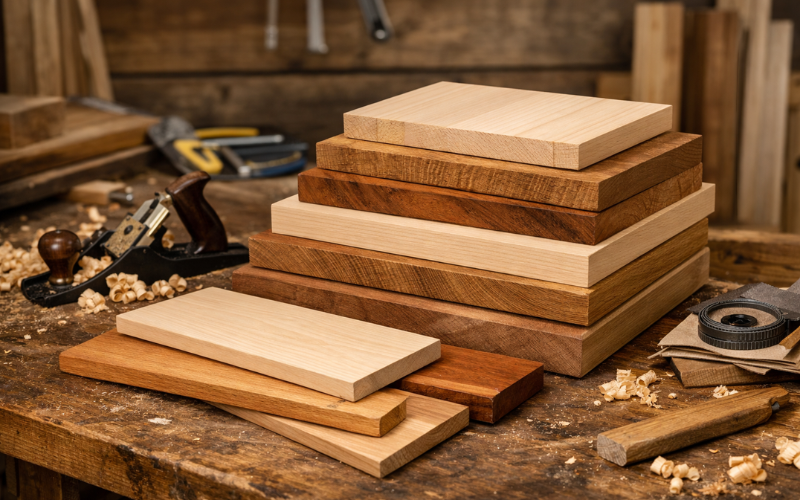
Planed all round refers to timber that has been machine-planed on all four sides to create a smooth and uniform surface. Unlike rough sawn wood, which has a raw and uneven texture straight from the sawmill, planed all round timber has been processed to remove surface imperfections, splinters, and rough edges.
When wood is described as “planed,” it means the outer layer has been shaved down to create a consistent thickness. “All round” simply means that this smoothing process has been done on every side — the top, bottom, and both long edges. The result is timber that is neat, accurate in size, and ready for immediate use in many indoor and outdoor projects.
In construction and joinery, planed all round timber is often chosen because it reduces preparation time. Builders and DIY users do not need to sand or shape the wood heavily before installation. This makes it practical, efficient, and reliable.
How Planed All Round Timber Is Made
Understanding how planed all round timber is produced helps explain why it looks and performs differently from rough sawn wood.
From Rough Sawn to Smooth Finish
The process begins with rough sawn timber. This is wood that has been cut from logs at a sawmill but has not yet been smoothed. At this stage, the surface may feel coarse, and the dimensions are slightly larger than the final size.
The timber is then fed through a planing machine. The machine removes a thin layer from each surface. This process evens out small bumps and imperfections while bringing the timber to a consistent and accurate size. Because material is removed during planing, the finished dimensions are slightly smaller than the original rough cut size.
Tools and Machines Used in the Planing Process
The main tool used in this process is a thickness planer or surface planer. In larger timber mills, automated planing machines handle multiple pieces quickly and with high precision. For smaller workshops, woodworkers may use bench planers or hand planers for detailed work.
Modern machines ensure that planed all round timber has consistent measurements. This accuracy is especially important in construction, where precise fitting matters. A smooth finish also reduces the risk of splinters and makes handling safer.
Key Features of Planed All Round Timber
One of the main features of planed all round timber is its smooth surface. The clean finish makes it comfortable to handle and visually appealing. It also allows paint, stain, and varnish to be applied more evenly.
Another important feature is dimensional consistency. Because the timber is machine-planed, each piece is uniform in thickness and width. This makes it easier to measure, cut, and install without unexpected size variations.
The edges are typically straight and squared, which improves alignment in joinery and framing. This precision supports better structural stability and neater results.
Planed all round timber also tends to be easier to work with. Tools move smoothly across the surface, and less sanding is required before finishing. For professionals and DIY users alike, this can save both time and effort.
Common Uses of Planed All Round Wood
Planed all round timber is widely used across many woodworking and construction projects due to its smooth finish and reliable sizing.
Indoor Projects and Furniture
Indoors, planed all round wood is commonly used for furniture, shelving, cabinets, door frames, and decorative trim. Its smooth surface makes it ideal for visible areas where appearance matters.
Because it requires minimal preparation, it is often chosen for home improvement projects. Whether building a bookshelf or fitting skirting boards, planed all round timber offers a professional look with less finishing work.
It is also suitable for joinery projects where clean edges and accurate measurements are important. The consistent thickness supports strong joints and precise assembly.
Construction and Structural Applications
In construction, planed all round timber can be used for framing, supports, and interior structural work. Its uniform size ensures components fit together correctly.
While rough sawn timber is often used for hidden structural elements, planed all round timber is preferred when parts remain visible or when a refined finish is required. It can also be used in light structural work where smooth surfaces improve handling and safety.
Benefits of Choosing Planed All Round Timber
First, it saves preparation time. Because the surface is already smooth, there is little need for heavy sanding. This speeds up both professional construction jobs and DIY tasks.
Second, it improves appearance. A smooth finish gives projects a clean and polished look. This is especially valuable for interior design, furniture, and decorative elements.
Third, it offers accurate sizing. Precision in dimensions reduces errors during installation and improves overall build quality.
Another benefit is safety. Smooth surfaces reduce the risk of splinters, making the timber easier and safer to handle.
From a practical standpoint, planed all round timber supports efficiency, quality, and consistent results. These factors make it a reliable choice in both residential and commercial settings.
Planed All Round vs Rough Sawn Timber: What’s the Difference?
Rough sawn timber has a coarse texture and slightly irregular dimensions. It is often less expensive and suitable for structural areas that will not be visible. However, it usually requires additional sanding or shaping before use in finished spaces.
Planed all round timber, on the other hand, has been processed to create smooth, straight surfaces. It is ready for painting, staining, or installation with minimal preparation.
Another key difference is final size. Because material is removed during planing, the finished dimensions are slightly smaller than rough sawn measurements. Understanding this difference is important when planning projects.
Choosing between the two depends on the project’s purpose. If appearance and precision matter, planed all round timber is usually the better option.
How to Choose the Right Planed All Round Timber for Your Project
Selecting the right planed all round timber depends on several practical considerations.
Understanding Sizes and Dimensions
When buying timber, it is important to check the finished size rather than the rough cut size. Planed all round timber is sold based on its final dimensions after planing.
Always measure carefully and allow for any additional cutting or fitting adjustments. Accurate planning helps avoid waste and ensures the timber fits correctly in your project.
Moisture Content and Wood Type Considerations
Moisture content plays an important role in timber performance. Wood that contains too much moisture may shrink or warp over time. Properly dried planed all round timber is more stable and suitable for indoor use.
The type of wood also matters. Softwoods such as pine are commonly used for general construction and interior projects. Hardwoods may be selected for furniture or decorative pieces where durability and appearance are priorities.
Understanding the environment where the timber will be used helps guide the right choice. For outdoor use, treated timber may be necessary to resist moisture and decay.
Pricing Factors and What Affects the Cost of Planed All Round Timber
Hardwoods typically cost more than softwoods because they are denser and often slower growing. Longer and thicker pieces also increase the price.
The planing process itself adds to the cost compared to rough sawn timber. However, this added cost may be balanced by the time saved in preparation and finishing.
Market demand, supply conditions, and local availability can also affect pricing. It is helpful to compare options and consider the full project budget before purchasing.
Maintenance and Care Tips for Planed All Round Wood
To keep planed all round timber in good condition, regular care is important. Indoor timber should be kept in a dry and stable environment to prevent movement.
Applying paint, stain, or sealant can protect the surface and extend its lifespan. These finishes help guard against moisture, scratches, and general wear.
For outdoor applications, proper treatment and sealing are especially important. Periodic inspection ensures early signs of damage can be addressed quickly.
Cleaning should be gentle and avoid excessive water exposure. With proper care, planed all round timber can remain strong and attractive for many years.
Conclusion
Whether you are building furniture, installing interior features, or completing structural work, choosing planed all round timber can provide both efficiency and visual appeal. Understanding its features, production process, and appropriate uses helps ensure you select the right material for your project. With proper care and planning, planed all round wood remains a reliable and versatile option for a wide range of applications.
FAQs
1. What does planed all round mean in timber?
Planed all round means the timber has been machine-smoothed on all four sides, creating a clean, even surface and consistent dimensions.
2. Is planed all round wood ready to paint or stain?
Yes, in most cases planed all round timber is ready for painting or staining. Light sanding may improve adhesion, but heavy preparation is usually not required.
3. Can planed all round timber be used outdoors?
It can be used outdoors if it is properly treated and protected. Untreated timber may not withstand moisture and weather exposure.
4. What is the difference between planed all round and planed square edge?
Planed all round timber is smooth on all sides. Planed square edge timber is also smooth but may have sharper edges and is often used for specific joinery applications.
