Introduction
Nucleotides, also known as nukleotidy, are small but very important parts of every living cell. Even though most people have never heard of them, they play a key role in how our bodies work every day. From helping our cells grow to storing genetic information, nucleotides are involved in many basic processes that keep us alive.
In simple terms, nucleotides are like tiny building blocks inside the body. They help form DNA and RNA, which carry the instructions for how our bodies grow, repair, and function. Without nucleotides, life as we know it would not exist.
What Are Nucleotides
Nucleotides (nukleotidy) are small molecules found in all living cells. They are often described as the building blocks of genetic material. This means they help form DNA and RNA, which carry the instructions for life.
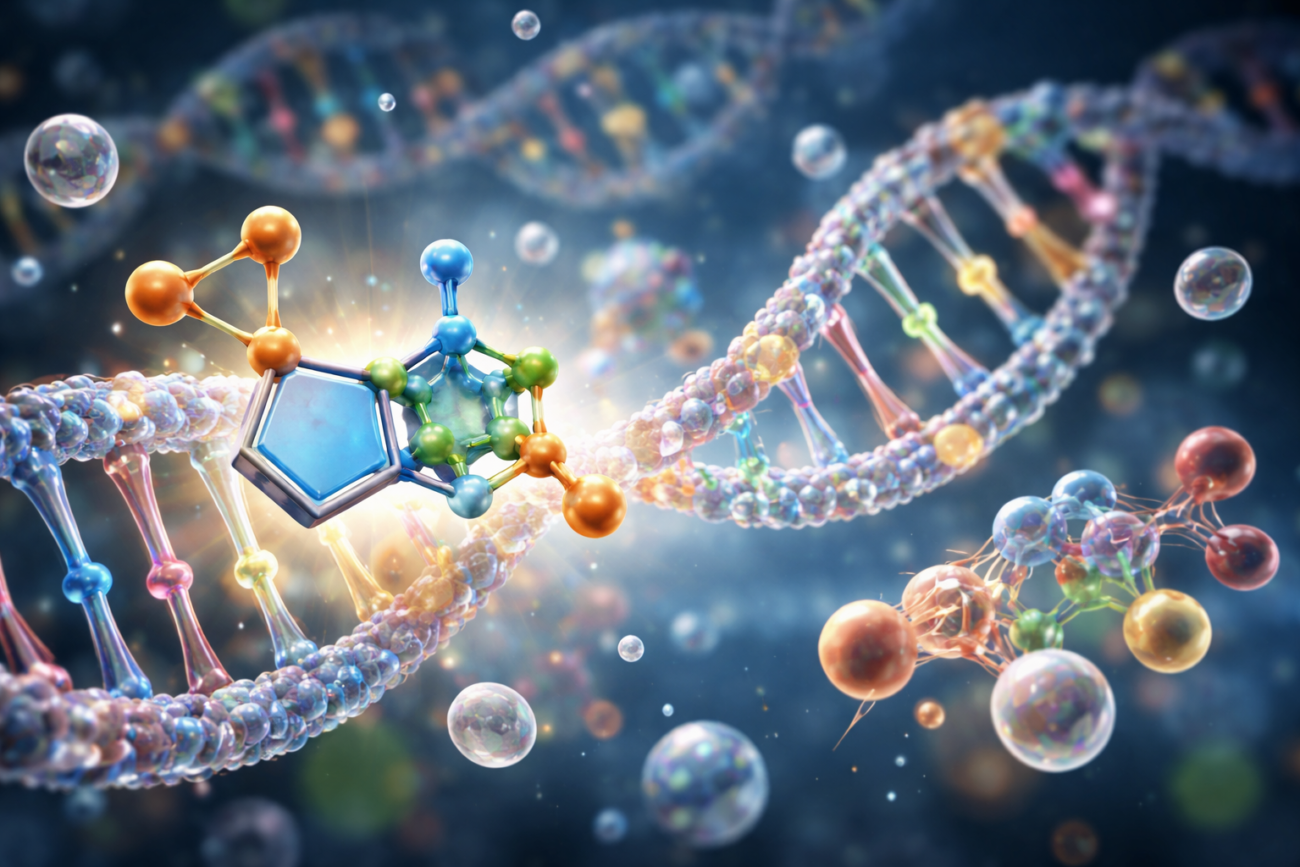
Each nucleotide is made of three simple parts: a sugar, a phosphate group, and a base. These parts work together to form a complete unit. When many nucleotides join together, they create long chains that make up DNA or RNA.
It is also helpful to understand the difference between a nucleotide and a nucleoside. A nucleoside has only two parts: a sugar and a base. When a phosphate group is added, it becomes a nucleotide. This small difference is important because nucleotides are the active form used in many biological processes.
Why Nucleotides Are Important for the Body
Nucleotides are essential for the body because they support many basic functions. Every cell in the body needs them to grow, divide, and stay healthy. Without nucleotides, cells would not be able to perform their normal tasks.
They also help provide energy. For example, a well-known nucleotide called ATP acts like a battery inside cells. It stores and releases energy so the body can carry out activities such as movement, digestion, and thinking.
Another important role of nucleotides is helping cells repair themselves. When the body is injured or under stress, nucleotides support the healing process by helping cells rebuild and recover.
Because of these roles, nucleotides are needed by all living things, from humans to plants and even tiny bacteria.
How Nucleotides Build DNA and RNA
One of the most important roles of nucleotides is building DNA and RNA. These are the molecules that store and pass genetic information.
DNA contains the instructions for how the body develops and functions. It tells cells what to do and how to make proteins. RNA helps carry these instructions from DNA to other parts of the cell where proteins are made.
Nucleotides join together in a specific order to form DNA and RNA chains. The order of these nucleotides acts like a code. This code determines everything from eye color to how the body responds to illness.
In simple terms, nucleotides are like letters, and DNA is like a long sentence made from those letters. Together, they create the instructions for life.
How the Body Makes Nucleotides
The human body is able to make its own nucleotides when needed. This process happens inside cells through natural chemical reactions. The body uses simple materials to build nucleotides step by step.
There is also a recycling system in the body. When old cells break down, their nucleotides can be reused to make new ones. This helps save energy and keeps the system efficient.
Food also plays a role in this process. While the body can produce nucleotides on its own, certain nutrients from food help support their production. A healthy diet gives the body what it needs to keep making nucleotides properly.
Foods That Contain Nucleotides
Nucleotides are found in many natural foods. Foods that are rich in protein, such as meat, fish, and eggs, often contain nucleotides. Some plant-based foods, like beans and vegetables, also provide them.
When we eat these foods, the body breaks them down and uses their components to support cell function. Even though the body can produce nucleotides, getting them from food can be helpful, especially during times of growth or recovery.
Most people do not need special supplements because a balanced diet usually provides enough support. However, in some cases, such as illness or high physical stress, extra support may be useful.
Nucleotides and the Immune System
Nucleotides play an important role in the immune system. They help the body respond to infections and support the growth of immune cells. This makes them especially important during illness or recovery.
They also support the repair of tissues. When the body is healing, nucleotides help create new cells more quickly. This can improve recovery after injury or stress.
For babies, nucleotides are especially important. They support growth and help build a strong immune system in early life. This is one reason why nucleotides are sometimes added to infant nutrition products.
Uses of Nucleotides in Science and Medicine
Nucleotides are widely used in science and medicine. Researchers study them to better understand how the body works and how diseases develop. This knowledge helps improve treatments and medical care.
In biotechnology, nucleotides are used in genetic testing and research. Scientists use them to study DNA and develop new technologies.
In medicine, nucleotides are also used in certain treatments. They can support healing, improve nutrition, and help in recovery from illness. Their importance continues to grow as research advances.
Can You Have a Lack of Nucleotides
In most cases, the body can produce enough nucleotides on its own. However, during certain conditions, such as illness, stress, or rapid growth, the body may need more.
A lack of nucleotides is not common, but it can affect how cells function. This may slow down healing, reduce energy levels, or weaken the immune system.
People who are recovering from illness or who have higher physical demands may benefit from additional support through diet or nutrition.
Conclusion
Nucleotides, or nukleotidy, may be small, but they play a huge role in the body. They are involved in energy production, cell growth, and the storage of genetic information. Without them, life would not be possible.
Understanding nucleotides helps us better understand how our bodies work at a basic level. While the body can produce them naturally, a healthy diet supports their function and keeps the system running smoothly.
FAQs
1. What are nucleotides in simple terms?
Nucleotides are small molecules that act as building blocks of DNA and RNA and help cells function properly.
2. Are nucleotides important for health?
Yes, nucleotides support energy, cell growth, and the immune system, making them essential for overall health.
3. Can I get nucleotides from food?
Yes, nucleotides are found in foods like meat, fish, eggs, and some vegetables.
4. Does the body make nucleotides on its own?
Yes, the body can produce nucleotides naturally, but diet can also help support their production.
