Introduction
Matarecycler is a term that is gaining attention, especially among people interested in recycling, sustainability, and smarter resource management. In this guide, we’ll explain what matarecycler means, how it works, where it is used, and why it matters today in a simple and clear way.
Understanding Matarecycler and Its Core Purpose
Matarecycler generally refers to a recycling-focused system, platform, or solution designed to collect, process, or manage reusable materials more efficiently. While the exact form of a matarecycler can vary depending on the context, the central idea remains the same: improving how waste materials are recovered and turned into useful resources again.
At its core, matarecycler supports the concept of responsible waste management. Instead of allowing materials such as plastic, metal, paper, or electronic parts to end up in landfills, a matarecycler approach focuses on sorting, processing, and reintroducing those materials back into production cycles. This helps reduce environmental harm and supports a more sustainable economy.
The main goal behind matarecycler is to create a practical and organized way to manage recyclable materials. Whether used by businesses, communities, or individuals, the system is designed to make recycling simpler, more accessible, and more effective.
Matarecycler is becoming more relevant today because environmental awareness is increasing worldwide. Governments, companies, and everyday consumers are searching for better recycling solutions. As sustainability becomes a priority, systems like matarecycler offer a structured way to reduce waste and promote resource efficiency.
How Matarecycler Works in Practice
The Basic Process Behind Matarecycler
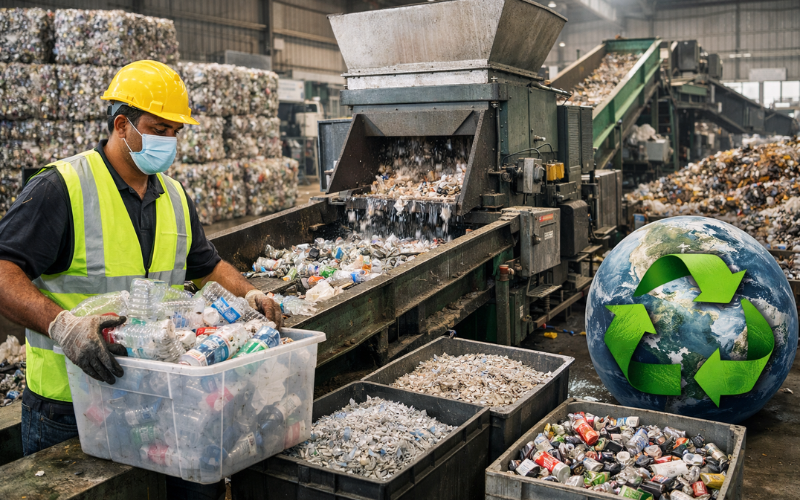
The basic process of a matarecycler usually starts with collection. Recyclable materials are gathered from homes, offices, industrial sites, or public areas. These materials are then sorted based on type, such as plastics, metals, paper, or glass.
After sorting, the materials are cleaned and processed. Processing may include shredding, melting, compressing, or reshaping materials so they can be reused in manufacturing. The final step often involves distributing the processed materials to factories or producers who use them to create new products.
The key idea behind matarecycler is not just collecting waste but ensuring that materials move through a clear cycle—from disposal to reuse—without unnecessary loss or contamination.
Key Components or Steps Involved
A typical matarecycler solution may include collection points, sorting systems, processing units, and tracking tools. Some modern systems also use digital platforms to monitor recycling volumes, track material flow, and measure environmental impact.
In certain cases, a matarecycler setup may involve automated sorting technologies or smart bins that identify and separate materials. In other cases, it may rely more on manual processes supported by organized management systems.
Who Typically Uses Matarecycler
Matarecycler systems can be used by municipalities, private recycling companies, manufacturing businesses, and even community organizations. In some cases, startups and environmental groups adopt matarecycler-style solutions to improve local recycling rates.
Small businesses may use a matarecycler approach to manage packaging waste more efficiently. Larger industrial operations may rely on more advanced systems to handle bulk materials. The flexibility of the concept allows it to serve both small-scale and large-scale needs.
The Main Benefits of Matarecycler
One of the biggest advantages of matarecycler is its environmental impact. By ensuring that recyclable materials are properly collected and processed, it helps reduce landfill waste and lowers pollution. This contributes to cleaner cities and healthier ecosystems.
Financially, matarecycler systems can also provide value. Recovered materials can be reused or sold, reducing the need to purchase new raw materials. Over time, this can lower production costs and improve resource efficiency.
Operationally, matarecycler creates a structured process. Instead of handling waste in an unorganized way, businesses and communities can follow a clear system. This often leads to better tracking, improved reporting, and stronger compliance with environmental regulations.
Many users consider matarecycler useful because it supports long-term sustainability goals. Companies that adopt structured recycling systems often strengthen their public image and meet environmental responsibility standards. In a world where consumers care more about sustainability, this can make a real difference.
Common Applications of Matarecycler
Matarecycler is most often used in waste management and recycling industries. However, its application extends beyond traditional recycling centers.
In manufacturing industries, matarecycler systems help recover scrap materials from production lines. Instead of discarding leftover materials, companies can reprocess them and reduce waste. This improves efficiency and reduces environmental impact.
Communities and local governments may apply matarecycler models to manage household waste. Public recycling programs that use structured sorting and processing systems follow the same core idea.
Educational institutions and environmental organizations may also promote matarecycler-based programs to encourage responsible waste habits. Schools and universities sometimes adopt simplified systems to teach students about recycling cycles and sustainability.
In real-world situations, matarecycler plays a role wherever materials can be reused instead of discarded. From plastic bottle collection programs to electronic waste recovery systems, the core principle remains consistent.
Important Features That Define Matarecycler
Unique Characteristics
One defining feature of matarecycler is its focus on circular resource use. Instead of treating waste as an endpoint, it treats waste as a resource that can re-enter the production cycle.
Another important feature is process organization. A well-designed matarecycler system clearly outlines how materials move from collection to final reuse. This reduces confusion and improves efficiency.
Transparency is also key. Many modern matarecycler solutions include tracking tools or reporting systems that show how much material has been recycled and how much waste has been reduced.
What Makes Matarecycler Different from Alternatives
Compared to basic waste disposal methods, matarecycler emphasizes recovery rather than removal. Traditional waste systems may focus mainly on transportation and disposal. Matarecycler focuses on transformation and reuse.
In comparison with less organized recycling efforts, a structured matarecycler system typically offers better monitoring, clearer workflows, and measurable outcomes. This makes it easier to evaluate success and improve performance over time.
The difference often lies in structure and purpose. While many recycling efforts exist, matarecycler represents a more defined and goal-oriented approach.
Challenges or Limitations of Matarecycler
Like any system, matarecycler has certain challenges. One common concern is contamination. If recyclable materials are not sorted correctly, the entire batch may become difficult to process.
Cost can also be a factor. Setting up a full matarecycler solution, especially one that uses advanced equipment, may require initial investment. Smaller organizations may need support or partnerships to make it feasible.
Another limitation involves public participation. Recycling systems only work well when people use them properly. Education and awareness are essential to ensure that materials are sorted and disposed of correctly.
There can also be misunderstandings about what matarecycler can achieve. While it improves recycling efficiency, it does not eliminate waste entirely. Reducing consumption and improving product design remain important parts of sustainability.
How to Choose or Evaluate a Matarecycler Solution
Choosing a matarecycler solution requires careful thought. First, consider your specific needs. Are you managing household waste, industrial scrap, or commercial packaging materials? The scale and type of materials will influence the best solution.
Next, evaluate reliability. A strong matarecycler system should have a clear process, measurable outcomes, and proven results. Look for systems that provide transparent reporting and practical support.
It is also important to ask about maintenance and operational requirements. Some systems may require regular technical support, while others are simpler to manage.
Quality and compliance matter as well. Ensure that the solution follows environmental guidelines and supports sustainable practices. A well-designed matarecycler system should align with long-term environmental goals rather than short-term fixes.
Finally, consider scalability. As recycling needs grow, the system should be able to adapt. Flexibility ensures that the solution remains effective over time.
Conclusion
Matarecycler represents a structured and purposeful approach to recycling and resource management. By focusing on collection, processing, and reuse, it supports environmental responsibility and long-term sustainability. Whether used by businesses, communities, or organizations, a well-designed matarecycler system can improve efficiency, reduce waste, and promote smarter use of materials.
Understanding how matarecycler works and what it offers allows individuals and organizations to make informed decisions. In a time when sustainability matters more than ever, adopting clear and effective recycling systems is an important step toward a cleaner and more responsible future.
FAQs
1. What exactly is matarecycler used for?
Matarecycler is used to collect, process, and manage recyclable materials in a structured way, helping reduce waste and promote sustainability.
2. How does matarecycler work step by step?
It usually follows three main steps: collection of recyclable materials, sorting and processing, and redistribution for reuse in manufacturing or other applications.
3. Is matarecycler suitable for beginners or small-scale use?
Yes, matarecycler concepts can be adapted for small businesses, communities, or even educational programs. The scale can vary based on resources and needs.
4. What should I consider before choosing a matarecycler option?
You should consider cost, scale, material type, compliance with environmental regulations, and long-term sustainability goals.
