Introduction
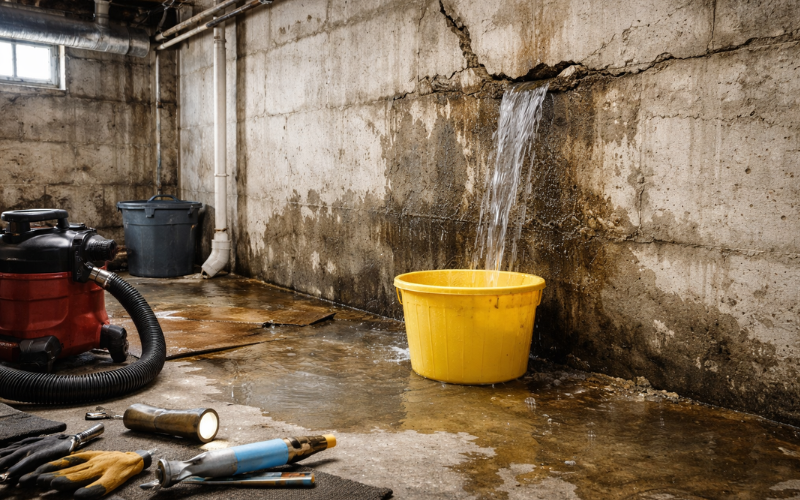
A leaking basement wall is a common problem in many homes, especially older properties or houses built in areas with heavy rainfall. It happens when water from the outside makes its way through the basement wall and enters the interior space. Sometimes the leak is small and slow, showing up as a damp patch. Other times, it can lead to visible water dripping down the wall or pooling on the floor.
Many homeowners do not notice a leaking basement wall right away. Early signs such as a faint musty smell or slight discoloration on the wall are easy to ignore. Over time, however, the problem can grow worse. Water intrusion can weaken the structure of the home, damage stored items, and affect indoor air quality. Fixing the issue early can save money, reduce stress, and protect your home’s long-term value.
Understanding a Leaking Basement Wall
To understand why a leaking basement wall happens, it helps to know how basement walls are built. Most basement walls are made of poured concrete or concrete blocks. These materials are strong and durable, but they are not completely waterproof. Over time, small cracks can develop. Even tiny openings can allow water to pass through.
There is a difference between minor seepage and active water intrusion. Minor seepage may appear as a damp area after heavy rain. Active intrusion, on the other hand, involves visible water flowing through cracks or joints. Both situations need attention, but active leaks require faster action.
Another key factor is the soil around your home. When it rains, the ground absorbs water. As the soil becomes saturated, it pushes against the basement wall. This pressure forces water to look for any available path inside. If the wall has cracks or weak spots, water can easily enter.
Common Causes of a Leaking Basement Wall
There are several common reasons why a leaking basement wall develops. One major cause is poor drainage around the foundation. If the ground slopes toward the house instead of away from it, rainwater collects near the walls. This increases the chance of water seeping inside.
Cracks in concrete or mortar joints are another frequent cause. Over time, changes in temperature and natural settling of the house can create small fractures. Even hairline cracks can allow moisture to enter.
Hydrostatic pressure is also a major factor. This pressure builds up when water accumulates in the soil around the foundation. As the pressure increases, it pushes water through weak areas in the wall.
Older homes may have worn-out waterproofing systems. The protective coating applied during construction can break down after many years. When this happens, the wall becomes more vulnerable to leaks.
Clogged or broken gutters and downspouts can make the problem worse. If rainwater is not directed away from the house, it pools near the foundation. Over time, this constant exposure increases the risk of a leaking basement wall.
Signs Your Basement Wall Is Leaking
Recognizing the signs of a leaking basement wall early can help prevent larger problems. One of the most obvious signs is visible water stains or damp patches on the wall. These areas may appear darker than the surrounding surface.
Mold or mildew growth is another warning sign. Mold thrives in damp conditions, and a leaking basement wall creates the perfect environment for it to grow. Along with mold, you may notice a musty odor that does not go away.
Peeling paint or a white, powdery substance on the wall can also indicate moisture problems. This white residue forms when water evaporates and leaves minerals behind.
In more serious cases, you may see water pooling on the basement floor after heavy rain. This suggests that water is entering the space more quickly than it can dry.
Why a Leaking Basement Wall Should Never Be Ignored
Ignoring a leaking basement wall can lead to serious consequences. Water can weaken the structure of the wall over time. Small cracks can grow larger, and constant moisture can damage the foundation.
Indoor air quality may also suffer. Excess moisture increases humidity levels in the basement. This encourages mold growth, which can spread to other parts of the home. Mold spores can affect breathing and cause health problems, especially for people with allergies or asthma.
A leaking basement wall can also damage personal belongings. Items stored in the basement, such as furniture, boxes, and appliances, may be ruined by water exposure. If the basement is finished, water damage can affect drywall, flooring, and insulation.
How to Identify the Source of a Leaking Basement Wall
Finding the exact source of a leaking basement wall can take some careful inspection. Start by examining the interior wall for visible cracks, damp spots, or signs of mold. Pay close attention to corners and joints where walls meet the floor.
Next, check the exterior of your home. Look for cracks in the foundation and areas where the soil slopes toward the house. Make sure gutters and downspouts are clear and directing water away from the foundation.
Observing the basement during rainfall can also help. If you notice water appearing during or shortly after heavy rain, it is likely related to drainage or pressure from saturated soil.
If the source is not obvious, or if the problem keeps returning, it may be time to contact a professional. A trained expert can assess the foundation and recommend the right solution.
Repair Options for a Leaking Basement Wall
Repairing a leaking basement wall depends on the cause and severity of the problem. For small cracks, sealing the area with a suitable waterproof sealant may be enough. These products are designed to block moisture and prevent further seepage.
Interior waterproof coatings can also help in some cases. These coatings create a barrier on the inside surface of the wall. However, they work best for minor moisture issues rather than major leaks.
For more serious problems, exterior waterproofing may be required. This involves addressing the outside of the foundation to prevent water from reaching the wall in the first place. It can include applying new waterproof membranes or improving drainage around the home.
Improving drainage systems is often a key step. Extending downspouts, cleaning gutters, and adjusting the slope of the soil can significantly reduce water pressure against the wall.
In some homes, installing or repairing a sump pump system may be necessary. A sump pump helps remove water that collects around the foundation, reducing the risk of a leaking basement wall.
Preventing Future Basement Wall Leaks
Preventing a leaking basement wall is often easier and less expensive than repairing one. Proper grading around the home is essential. The ground should slope away from the foundation so that rainwater flows outward.
Regular maintenance of gutters and downspouts is also important. Keeping them clear ensures that water is directed away from the house.
Routine inspections of the foundation can help catch small cracks before they become major problems. Sealing minor cracks early can prevent future leaks.
Controlling moisture inside the basement is another helpful step. Using a dehumidifier can reduce humidity levels and make the space less attractive to mold. Good ventilation also supports a drier environment.
When to Call a Professional for a Leaking Basement Wall
While some minor issues can be handled by homeowners, certain situations require professional help. If you notice large cracks, bowing walls, or signs that the foundation is shifting, it is important to seek expert advice.
Recurring water intrusion, even after repairs, may indicate a deeper problem. A professional can perform a detailed assessment and suggest long-term solutions.
Specialized waterproofing systems are sometimes needed to fully resolve a leaking basement wall. Investing in professional repair can provide peace of mind and prevent further damage.
Conclusion
A leaking basement wall is a serious issue, but it is one that can be managed with the right approach. Understanding why it happens and recognizing the early signs can make a big difference. Water intrusion may start small, but if left untreated, it can lead to structural damage, mold growth, and costly repairs.
By inspecting your home regularly, maintaining proper drainage, and addressing problems quickly, you can protect your basement and your entire house. Whether the solution is a simple crack repair or a more advanced waterproofing system, taking action early is the best way to prevent a leaking basement wall from getting worse.
FAQs
1. What causes a leaking basement wall after heavy rain?
Heavy rain can saturate the soil around your home, increasing pressure against the basement wall. If there are cracks or weak spots, water can enter.
2. Can I fix a leaking basement wall myself?
Small cracks and minor moisture issues can sometimes be repaired with sealants. However, larger or recurring problems often require professional help.
3. How much does it cost to repair a leaking basement wall?
Costs vary based on the severity of the problem and the repair method. Minor fixes are generally less expensive than major waterproofing projects.
4. Will a dehumidifier solve a leaking basement wall problem?
A dehumidifier can reduce moisture in the air, but it will not stop water from entering through the wall. The source of the leak must be addressed directly.
