Introduction
Lake Atitlan is one of the most beautiful and talked‑about natural wonders in Central America. Set in the highlands of Guatemala and surrounded by dramatic volcanoes and traditional villages, this lake draws travelers from all over the world. With its deep blue waters, rich cultural traditions, and opportunities for adventure and relaxation, Lake Atitlan offers something for every kind of visitor. In this guide, we’ll explore the lake’s natural beauty, the towns that hug its shores, the experiences you can have, and practical tips to help you make the most of your trip.
Exploring the Natural Beauty of Lake Atitlan
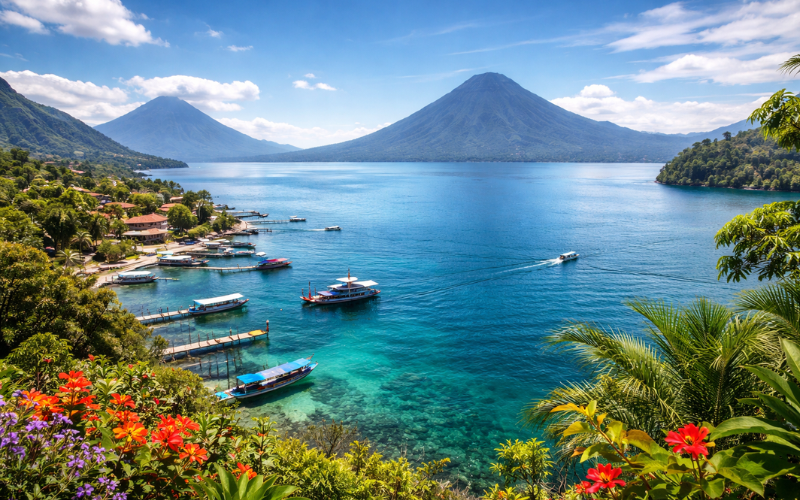
Lake Atitlan lies in a large volcanic crater in the highlands of Guatemala, making it not only visually stunning but also geologically remarkable. The lake’s waters stretch wide and deep, reflecting the sky and the three towering volcanoes that rise dramatically from its shores: Volcán San Pedro, Volcán Tolimán, and Volcán Atitlan. These volcanoes give Lake Atitlan its iconic backdrop and create a sense of scale and wonder that few lakes can match.
The surrounding landscape is lush and verdant, with hills dotted with coffee plantations, tropical trees, and flowering plants. Hiking trails wind through forests and up slopes that offer breathtaking viewpoints where you can look out over the lake’s calm waters. The climate around Lake Atitlan is generally mild, with warm days and cooler evenings, making it pleasant for both outdoor activities and leisurely strolls along the shoreline.
Unique flora and fauna abound in the Lake Atitlan region. Birdwatchers will appreciate the variety of species that make their home here, from colorful parrots and hummingbirds to eagles and herons. On land, you might spot butterflies dancing through the air or notice tropical plants and orchids thriving in the moist, fertile soil. In and around the water, the ecosystem supports a range of fish and amphibian life that contributes to the lake’s natural balance.
Spending time simply taking in the views of Lake Atitlan’s shimmering surface, framed by volcanic peaks and lush forests, can be a calming and rejuvenating experience. The natural beauty of this lake makes it a favorite for photographers, nature lovers, and anyone looking to connect with the outdoors.
The Villages Around Lake Atitlan
All around Lake Atitlan are villages that each have their own unique character and traditions. These lakeside towns are where visitors often stay, explore local markets, and meet friendly residents. Each town has its own personality, shaped by the indigenous Mayan culture that remains strong here and influences daily life.
Panajachel – The Hub for Visitors
Panajachel is often the first stop for travelers arriving at Lake Atitlan. It has more tourism services than many of the other villages, including hotels, restaurants, shops, and tour operators. From Panajachel, you can easily catch boats (called lanchas) to other towns around the lake.
The town’s main street, known locally as La Calle Santander, is lined with markets and craft stalls where artisans sell handmade textiles, jewelry, and pottery. The atmosphere is lively and welcoming, and if you’re looking for information, guides, or organized tours, Panajachel is a good place to start.
While Panajachel is busier than some of the quieter lakeside villages, it still retains a relaxed and scenic vibe thanks to its lakeside promenade and views of the surrounding volcanoes.
San Pedro La Laguna – Adventure and Local Culture
San Pedro La Laguna, located at the base of Volcán San Pedro, has an adventurous and youthful energy. Many travelers come here to explore local hiking trails, take Spanish classes, or try their hand at outdoor activities like kayaking or paddleboarding on Lake Atitlan.
The town itself is compact and easy to explore by foot. You’ll find markets, simple eateries serving traditional Guatemalan cuisine, and friendly locals who are often happy to share stories about life here. San Pedro’s streets are busy with activity, and the community feels vibrant without being overwhelming.
For those interested in learning about the culture, San Pedro offers opportunities to connect with local families, visit artisan workshops, and understand more about the region’s traditions and ways of life.
Santiago Atitlan – Tradition and History
Santiago Atitlan is one of the largest and most culturally rich villages around Lake Atitlan. It is known for its strong Mayan heritage, which is visible in everything from traditional clothing to community ceremonies and markets.
One of the most interesting cultural aspects of Santiago Atitlan is its connection to the Mam Maya traditions. Visitors can learn about the local beliefs, rituals, and celebrations that are still practiced today. The town’s main market is a colorful and lively place, offering fresh produce, handmade textiles, and a variety of goods that reflect the region’s indigenous identity.
Despite facing challenges over the years, Santiago maintains a strong sense of community and history that makes it a meaningful place to visit for those who want to understand the deeper cultural roots of the Lake Atitlan area.
Activities and Experiences at Lake Atitlan
There is no shortage of things to do around Lake Atitlan, whether you are an adventure seeker, a culture lover, or someone just looking to relax in a beautiful setting.
For those who enjoy hiking and nature, there are trails that lead up into the hills and volcanoes surrounding the lake. Some hikes are more challenging than others, but even moderate walks offer rewarding views of Lake Atitlan’s wide waters and natural scenery. Guided hikes can help you explore safely and learn more about the geography and ecology of the area.
Water activities are a popular way to enjoy Lake Atitlan up close. Kayaking and paddleboarding allow you to glide across the lake’s surface at your own pace, taking in the reflections of the volcanoes and the quiet beauty of hidden coves. Boat tours are another way to experience the lake, with options to visit multiple villages in one day while learning about their unique stories and traditions.
Cultural experiences also enrich any visit to Lake Atitlan. Local markets are vibrant hubs of activity where you can see artisans at work, sample fresh foods, and find unique handmade items. In many villages, you can take part in traditional ceremonies, listen to local musicians, or learn about age‑old weaving techniques that have been passed down through generations.
Whether you prefer to explore on your own or with a guide, Lake Atitlan offers experiences that are both memorable and meaningful.
The Cultural and Historical Significance
Lake Atitlan isn’t just a natural wonder — it’s also a place rich in history and cultural traditions. The area has been home to Maya peoples for centuries, and their influence can be felt in many aspects of life here.
Mayan heritage remains strong around Lake Atitlan. Traditional clothing, language, and customs are part of daily life in many villages. In places like Santiago Atitlan, you can witness how ancestral traditions continue to shape community life and personal identity. Local artisans often use techniques that have been handed down through generations, creating textiles and crafts that represent both artistic skill and cultural pride.
Local festivals and community celebrations are another deeply rooted part of life around Lake Atitlan. Many villages hold annual events that combine spiritual traditions with music, dance, and food. These gatherings are not only important cultural expressions but also opportunities for communities to come together and share their heritage with visitors.
Understanding the cultural and historical context of Lake Atitlan enhances any visit. It gives depth to the experience of exploring the lake and its surroundings, showing that this place is not just visually stunning but also deeply meaningful to the people who call it home.
Best Times to Visit and Travel Tips
Choosing the best time to visit Lake Atitlan depends on what you want to experience. The region generally has two main seasons: dry and wet. The dry season, often from November to April, brings clearer skies and more predictable weather, making it a popular time for tourists. The wet season, from May to October, can bring refreshing rain showers that help keep the landscape lush and green.
Rainfall doesn’t usually last all day during the wet season, and mornings can still be bright and beautiful. Each season has its own charm, so consider what matters most to you — clearer hiking conditions or greener scenery and fewer crowds.
Getting to Lake Atitlan is relatively straightforward. Most visitors fly into Guatemala City and then take a shuttle, private transfer, or bus to the highlands. The roads wind through mountain landscapes, offering views that change as you near the lake. Once at Lake Atitlan, lanchas (small boats) are the easiest way to travel between lakeside towns, while minibuses and tuk‑tuks provide local land transportation.
When planning your visit, allow time to enjoy both the natural beauty and the cultural experiences that make Lake Atitlan special. Keep in mind that some areas require more walking and exploring by foot, so comfortable shoes and a willingness to be flexible will enhance your trip.
Accommodation and Dining Options
Lake Atitlan offers a range of places to stay, suiting many preferences and budgets. In towns like Panajachel, you’ll find hotels ranging from simple guesthouses to more comfortable mid‑range options. In smaller villages, boutique inns and hostels provide quieter, more intimate stays with easy access to nature and village life.
Whether you prefer to wake up to a view of the water or stay close to local markets and restaurants, there’s an accommodation option to match your style. Many places offer terraces or balconies where you can relax and enjoy sunsets over the lake.
Dining around Lake Atitlan is a delight for food lovers. Local cuisine includes traditional Guatemalan dishes like pepian (a rich stew), fresh tortillas, and hearty soups. Street food vendors and family‑run eateries serve simple, satisfying meals that reflect local flavors and ingredients. For visitors who enjoy trying new foods, sampling local bakeries, coffee shops, and lakeside restaurants adds another layer of richness to your trip.
Sustainability and Conservation Efforts
Like many beautiful natural places, Lake Atitlan faces environmental challenges that require awareness and care. Pollution from runoff, waste management issues, and the impact of tourism are ongoing concerns for local communities and environmental groups. Protecting the clarity and health of Lake Atitlan’s waters is important for both residents and future generations of visitors.
In recent years, community initiatives and responsible tourism efforts have grown. Local groups work on clean‑up projects, sustainable farming practices, and educational programs about environmental protection. Travelers can support these efforts by choosing eco‑friendly tours, reducing waste, and being mindful of their impact on local resources.
Respecting the lake and its surroundings — from staying on marked paths to minimizing plastic use — helps ensure that Lake Atitlan remains a vibrant and thriving destination for years to come.
Conclusion
Lake Atitlan is more than just a stunning body of water; it is a place where nature, culture, and community come together in harmony. Whether you are drawn by the vistas of volcanoes rising from the lake, the rich traditions of lakeside towns, or the chance to explore markets and trails, Lake Atitlan offers a memorable travel experience. With thoughtful planning and a spirit of curiosity, your visit can be both rewarding and respectful — leaving you with lasting memories of Guatemala’s highland jewel.
FAQs
1. What is the best time of year to visit Lake Atitlan?
The best time depends on your preferences. The dry season offers clearer days and is popular for hiking and outdoor activities, while the wet season brings lush landscapes and fewer crowds.
2. How do I get from Guatemala City to Lake Atitlan?
Most travelers fly into Guatemala City and then take a shuttle, bus, or private transfer to the highlands near Lake Atitlan. The journey includes scenic mountain roads and usually takes several hours.
3. Which villages around the lake are worth visiting?
Each village has its own charm, but Panajachel is great for services and travel connections, San Pedro La Laguna is lively and adventurous, and Santiago Atitlan offers deep cultural experiences.
4. Are there safe activities for families at Lake Atitlan?
Yes, families can enjoy boat rides, gentle hikes, markets, lakeside walks, and cultural experiences that are suitable for visitors of all ages.
