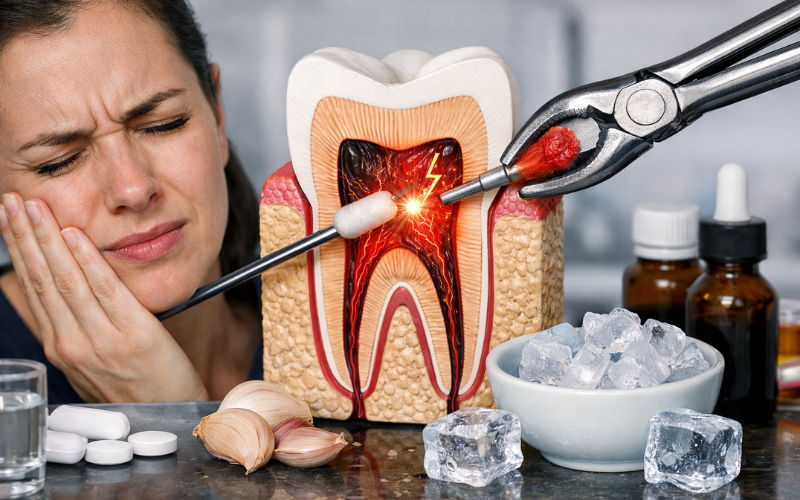
Introduction
Tooth nerve pain can hit without warning. One moment you are fine, and the next moment a sharp, shocking pain makes it hard to think, eat, or even sleep. Many people search online for how to kill tooth pain nerve in 3 seconds permanently because they want instant relief that actually lasts. While fast relief is sometimes possible, permanent relief depends on what is really causing the pain. This article explains what works, what doesn’t, and what you need to know to protect your oral health.
Understanding Tooth Nerve Pain and Why It Feels Instant
Tooth nerve pain is different from regular tooth sensitivity. It often feels sudden, intense, and impossible to ignore. This happens because the nerve inside the tooth is directly connected to pain signals in the brain, so even small triggers can feel extreme.
Sudden tooth nerve pain is usually triggered by deep decay, a cracked tooth, a loose filling, or gum recession that exposes the sensitive inner layers of the tooth. Hot or cold foods, sweet drinks, pressure from chewing, or even breathing cold air can activate the nerve instantly.
The pain often feels sharp or electric because nerves send signals very fast. Unlike muscle pain, nerve pain does not build slowly. It can hit hard in seconds and stop just as quickly, which makes people believe the nerve has been “killed” when it has only been temporarily blocked.
Surface pain usually comes from enamel wear or mild sensitivity and fades quickly. Nerve exposure happens when damage reaches the inner part of the tooth. This type of pain is deeper, stronger, and more likely to return until the real cause is treated.
The Truth Behind “3-Second Tooth Pain Relief” Claims
Many remedies claim to kill tooth pain nerve in 3 seconds permanently, but most of these claims confuse fast relief with long-term results. Pain can stop quickly, but that does not always mean the nerve problem is solved.
Pain may stop suddenly because the nerve becomes temporarily numbed or irritated in a way that blocks signals for a short time. Cold, pressure, or certain substances can interrupt nerve signals, giving the feeling that the pain is gone. However, the nerve is usually still alive and damaged underneath.
Instant relief often happens because inflammation calms down for a moment or the nerve becomes overstimulated and pauses. This does not mean the tooth is healed. Once the trigger returns, the pain often comes back, sometimes worse than before.
Permanent relief in dental terms usually means the nerve is no longer sending pain signals because it has either healed or been professionally removed. In some cases, pain stops because the nerve dies due to infection. While this may sound like a solution, it is actually dangerous and can lead to serious complications if not treated.
Immediate Methods That Can Stop Tooth Nerve Pain Fast
Some methods can calm tooth nerve pain very quickly, especially during emergencies. These methods focus on reducing nerve stimulation rather than fixing the root problem.
Cooling the area can slow nerve signals and reduce inflammation, which is why cold compresses sometimes bring relief within seconds. Avoiding pressure on the tooth can also stop pain instantly if biting or chewing is the trigger.
Certain over-the-counter products may block pain signals temporarily. These work fast because they dull the nerve response, not because they remove the cause of the pain.
Instant relief can sometimes be a warning sign. If pain disappears suddenly without treatment, it may mean the nerve is severely damaged or dying. When pain fades without healing, infection can continue silently inside the tooth.
At-Home Remedies That Affect the Tooth Nerve
Home remedies are popular because they are easy to access and feel natural. Some of them can affect the nerve and reduce pain for a short time.
Natural substances like clove oil are known to dull nerve signals temporarily. Temperature control, such as warm rinses or cold packs, can change how the nerve reacts to pain. Gentle pressure changes can also interrupt nerve signaling.
However, home remedies cannot truly kill a tooth pain nerve permanently. They do not remove decay, repair cracks, or treat infections. Their effect is temporary, even if the relief feels strong.
Delaying real treatment can make the problem worse. Infections can spread, damage surrounding bone, and cause swelling or fever. What starts as a toothache can turn into a serious health issue if ignored.
Dental Procedures That Permanently Stop Tooth Nerve Pain
Permanent relief from tooth nerve pain usually requires professional dental treatment. Dentists focus on stopping pain at the source rather than masking it.
Nerve removal becomes necessary when the nerve is infected, severely inflamed, or beyond healing. This is commonly done through procedures designed to clean the inside of the tooth and prevent further infection.
Professional treatment works because it removes damaged tissue, seals the tooth, and protects it from bacteria. Once the nerve is treated properly, pain signals stop because the source of irritation is gone.
After permanent nerve treatment, most patients feel relief rather than pain. Some mild soreness is normal at first, but the sharp, unbearable nerve pain does not return when the tooth heals correctly.
Risks of Trying to Kill Tooth Pain Nerve Without Treatment
Trying to kill tooth pain nerve permanently without proper care can be risky. Pain relief does not always mean the problem is gone.
Untreated infections can lead to abscesses, swelling, and damage to the jawbone. In severe cases, infection can spread to other parts of the body, becoming a serious medical issue.
Pain disappearing on its own can be dangerous. It may signal nerve death caused by infection, not healing. When this happens, bacteria continue to grow silently.
Warning signs include swelling, bad taste in the mouth, fever, darkening of the tooth, or pain that comes back stronger. These symptoms mean the condition is worsening, not improving.
When Tooth Nerve Pain Is a Dental Emergency
Some tooth nerve pain should never be ignored. Severe, ongoing pain is not normal and usually means something serious is happening.
Immediate care is needed if pain is constant, throbbing, or spreading to the jaw, ear, or head. Swelling, fever, or difficulty opening the mouth are also signs of an emergency.
Nerve pain that lasts more than a day or keeps returning should be checked by a dentist. The longer treatment is delayed, the more complex and costly it can become.
Delaying care can result in tooth loss, bone damage, or infections that require extensive treatment. Early action protects both your tooth and overall health.
Conclusion
Searching for how to kill tooth pain nerve in 3 seconds permanently is understandable when pain feels unbearable. While fast relief is sometimes possible, true permanent relief depends on identifying and treating the real cause. Temporary fixes may calm pain, but only proper dental care can stop nerve pain safely and for good. Listening to your body and acting early is the best way to protect your smile and your health.
FAQs
1. Can tooth nerve pain really be stopped in 3 seconds permanently?
Pain can sometimes stop within seconds, but permanent relief usually requires dental treatment. Instant relief is often temporary and does not fix the root cause.
2. What is the fastest way to numb tooth nerve pain at home?
Cold application, avoiding pressure, and certain natural remedies may numb pain briefly, but they do not provide permanent solutions.
3. Does killing a tooth nerve mean the tooth is dead?
When a nerve is professionally removed, the tooth can still function with proper care. When a nerve dies due to infection, the tooth is unhealthy and needs treatment.
4. Is it safe to let tooth nerve pain go away on its own?
No. Pain fading without treatment can indicate worsening infection. Dental evaluation is important even if pain stops.
