Introduction
Knowing how much a horse weighs is more than just a number—it is essential for keeping a horse healthy, feeding it correctly, and managing its overall care. Horses come in many breeds, sizes, and ages, so their weight can vary significantly. In this guide, we will explore the factors that affect horse weight, typical ranges for different types of horses, and practical ways to estimate or monitor a horse’s weight. Whether you are a new horse owner or an experienced rider, understanding your horse’s weight can make a real difference in its health and performance.
Understanding Horse Weight: Why It Matters
Health and Nutrition Considerations
A horse’s weight directly affects its overall health. Maintaining the correct weight ensures that the horse’s organs, joints, and muscles function properly. Overweight horses are at risk of developing joint strain, laminitis, and metabolic problems, while underweight horses may face weakened immunity, poor coat condition, and lack of energy. Knowing how much a horse weighs helps owners design a diet that meets its nutritional needs without overfeeding or underfeeding.
Impact on Exercise and Workload
The weight of a horse also influences its ability to carry riders, pull loads, or perform in competitions. A heavier horse may require more strength and endurance, whereas an underweight horse could tire quickly. Understanding the correct weight allows trainers and riders to adjust exercise plans safely and prevent injuries.
Factors That Affect a Horse’s Weight
Breed and Genetics
Different breeds naturally carry different weights. Heavy draft breeds like Clydesdales and Shires are built for strength and can weigh several hundred pounds more than lighter breeds like Arabians. Genetics also influence how a horse stores fat and muscle, meaning two horses of the same breed may weigh differently even if their diets and routines are similar.
Age and Growth Stage
A horse’s weight changes throughout its life. Foals and young horses steadily gain weight as they grow, while older horses may lose weight due to slowed metabolism or health conditions. Adult horses usually reach a stable weight, but seasonal changes in feed and activity can still affect it.
Gender Differences
Male horses, such as stallions and geldings, tend to weigh more than mares of the same breed. Hormonal differences and muscle distribution contribute to these variations, making gender an important factor when estimating horse weight.
Lifestyle and Activity Level
A horse’s daily routine impacts its weight. Horses used for high-intensity riding, competition, or work often have leaner builds due to higher energy expenditure. In contrast, horses with sedentary lifestyles or limited exercise may gain excess weight. Owners must balance exercise, diet, and weight monitoring to maintain optimal health.
Average Weight Ranges for Different Types of Horses
Horses vary widely in size, and understanding typical weight ranges helps set realistic expectations for your own horse.
Lightweight Breeds
Breeds like Arabians and Thoroughbreds are often leaner and built for speed and endurance. Their adult weight generally ranges from 900 to 1,200 pounds, depending on height and muscle mass. These horses usually have a sleek frame, which contributes to their lighter weight.
Medium-Weight Breeds
Quarter Horses, Morgans, and Standardbreds fall into the medium category. They typically weigh between 1,100 and 1,400 pounds. These breeds combine strength with agility, making them versatile for riding, work, and sports.
Heavy Breeds
Draft breeds like Clydesdales, Percherons, and Shires are much larger. Adult weights often exceed 1,600 pounds and can reach over 2,000 pounds in some cases. These horses are bred for heavy labor and require careful weight management to prevent stress on joints and hooves.
How to Accurately Estimate or Measure a Horse’s Weight
Using a Weight Tape
Weight tapes are a practical and widely used tool. Wrapped around the horse’s girth, the tape provides an estimate of weight based on body circumference. While not as precise as scales, weight tapes offer a quick and convenient method for regular monitoring.
Scale Measurement
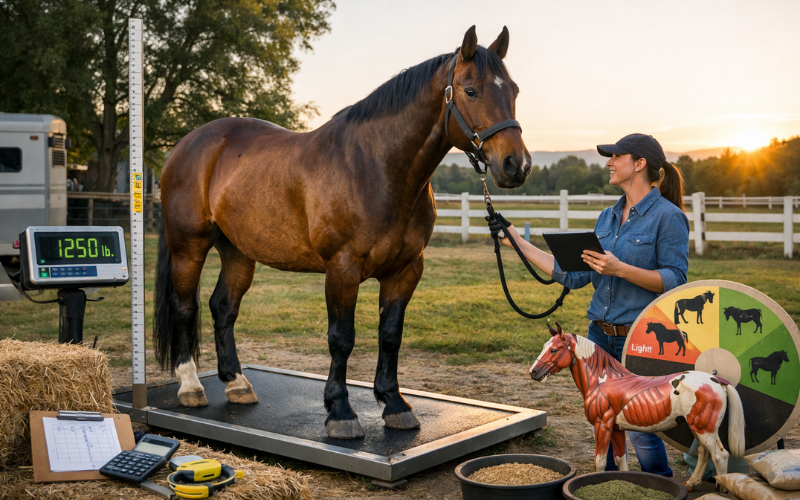
The most accurate method is using a livestock or equine scale. These scales give exact readings, which are essential for precise medication dosages, diet adjustments, and medical assessments. Though less accessible for home use, scales are commonly found at veterinary clinics or equestrian centers.
Visual Estimation and Body Condition Scoring
Experienced owners often estimate weight visually by assessing body condition. A body condition score (BCS) evaluates fat distribution and overall health, ranging from underweight to overweight. Combining BCS with girth measurements can provide a reliable estimate even without a scale.
Seasonal and Environmental Effects on Horse Weight
Changes in Grazing and Pasture Quality
Horses grazing on lush spring pastures may gain weight quickly, while winter feed shortages or poor-quality hay can cause weight loss. Adjusting feeding routines seasonally ensures horses maintain a healthy weight throughout the year.
Weather and Temperature Impacts
Extreme heat or cold can influence appetite, metabolism, and energy expenditure. Horses may eat more during colder months to maintain body heat or reduce feed intake during hot summer months. Monitoring weight alongside environmental conditions helps owners make timely dietary adjustments.
Signs That a Horse Is Underweight or Overweight
Recognizing Common Indicators
Underweight horses may have visible ribs, a hollowed flank, and poor coat condition. Overweight horses often show fat deposits around the neck, shoulders, and tailhead, along with a rounded belly. Regular observation is key to identifying subtle changes before health issues arise.
When to Consult a Veterinarian
If you notice sudden weight loss, persistent underweight conditions, or unexplained weight gain, consult a veterinarian. Health problems such as dental issues, metabolic disorders, or parasites may be causing weight fluctuations. Early intervention ensures your horse stays healthy and avoids complications.
Tips for Maintaining a Healthy Horse Weight
Feeding and Diet Management
Provide a balanced diet tailored to your horse’s age, breed, and activity level. High-quality forage, proper supplements, and portion control help maintain optimal weight without overfeeding.
Exercise and Activity Recommendations
Regular exercise promotes lean muscle mass and supports a healthy metabolism. Adjust activity levels according to your horse’s size, fitness, and workload.
Regular Monitoring Practice
Weigh your horse consistently using a tape or scale, and track changes over time. Pair this with body condition scoring to detect gradual weight trends early. Consistent monitoring is the most effective way to keep your horse in peak condition.
Conclusion
Understanding how much a horse weighs is a key part of responsible horse ownership. Regular weight monitoring, combined with balanced feeding, appropriate exercise, and awareness of seasonal or environmental changes, ensures your horse stays healthy and performs well. By paying attention to weight trends and taking action when needed, owners can support their horse’s long-term wellbeing and happiness.
FAQs
1. What is the average weight of an adult horse?
Adult horses typically weigh between 900 and 2,000 pounds, depending on breed, age, and lifestyle.
2. How much does a pony weigh compared to a full-size horse?
Ponies are smaller and generally weigh between 400 and 900 pounds, considerably less than most full-size horses.
3. Can a horse’s weight change quickly, and what causes it?
Yes, factors such as diet, exercise, illness, and seasonal changes can cause noticeable weight fluctuations over a short period.
4. What’s the easiest way to check a horse’s weight at home?
Using a weight tape around the horse’s girth provides a quick and fairly accurate estimate for regular home monitoring.
