Introduction
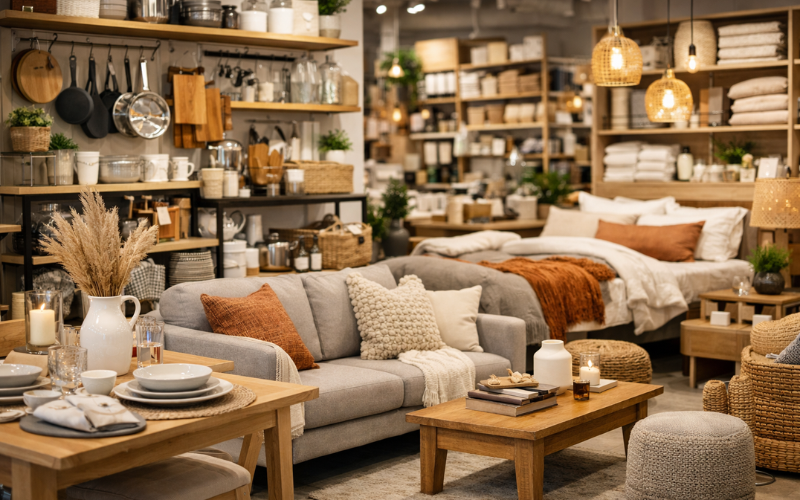
A homeware zone is more than just a section in a store or a category on a website. It refers to a carefully organized space—physical or online—where home essentials and decorative items are grouped together to help you furnish and style your living space with ease. From furniture and kitchen tools to soft textiles and decorative accents, a homeware zone brings everything you need for your home into one convenient place.
For modern homeowners and renters, creating a comfortable and stylish living space is a priority. Whether you live in a small apartment or a large house, the items you choose for your home directly affect how you feel in it. A well-planned homeware zone helps you find products that improve comfort, enhance daily function, and reflect your personal style.
In this guide, you will learn what a homeware zone truly means, how it is organized, how to choose quality products, and how to design each room in a coordinated way. You will also discover budget-friendly tips, current trends, and simple ways to maintain and update your space over time.
Understanding the Concept of a Homeware Zone
The concept of a homeware zone is simple. It is an organized collection of products designed to meet the needs of every part of your home. Instead of searching in different places for furniture, kitchenware, bedding, and décor, a homeware zone gathers them into one structured system.
Homeware zones are often organized in three main ways. Some are arranged by room, such as living room, bedroom, kitchen, and bathroom. Others are grouped by function, like storage solutions, lighting, or dining essentials. Some stores also organize their homeware zone by style, such as modern, rustic, minimalist, or classic.
This structured approach makes decorating much easier. When items are grouped logically, you can see how different pieces work together. It becomes simpler to compare options, match colors and materials, and build a consistent look throughout your home. A well-designed homeware zone reduces confusion and saves time while shopping.
Key Categories You’ll Find in a Homeware Zone
Furniture is often the foundation. Sofas, dining tables, chairs, beds, and storage units form the basic structure of each room. These larger pieces set the tone for your overall style and determine how comfortable and functional your space will be.
Kitchen and dining accessories are another essential part of the homeware zone. Cookware, utensils, dinnerware, and serving items support daily routines. Well-chosen kitchenware not only makes cooking easier but also improves the look of your dining area.
Bedroom textiles and décor bring warmth and softness into your home. Items such as bed sheets, comforters, cushions, and curtains add comfort while also contributing to the room’s color scheme and mood.
Bathroom essentials, including towels, bath mats, and storage baskets, help keep the space organized and pleasant. Even small updates in the bathroom can make a noticeable difference.
Decorative accents and seasonal pieces complete the homeware zone. Items like wall art, candles, vases, and decorative trays allow you to express your personality. Seasonal décor helps refresh your home throughout the year without making major changes.
How to Choose Quality Products in a Homeware Zone
Choosing the right products in a homeware zone requires attention to quality and practicality. Materials play a major role in durability. Solid wood furniture, sturdy metal frames, and high-quality fabrics often last longer and maintain their appearance over time.
It is important to balance style and function. A beautiful chair that is uncomfortable will not serve its purpose. Likewise, a stylish table that lacks stability may not be practical. Always consider how you will use each item daily.
Finding value does not mean choosing the cheapest option. Instead, it means selecting products that offer good quality for a reasonable price. Compare materials, read product descriptions carefully, and think about long-term use.
Matching products to your home’s overall aesthetic is also essential. If your space has a clean and simple look, choose items that support that theme. If you prefer a warm and cozy atmosphere, select textures and colors that enhance that feeling. A thoughtful approach makes your homeware zone feel intentional and cohesive.
Designing Each Room with a Coordinated Homeware Zone Approach
In the living room, focus on comfort and balance. Start with a comfortable sofa and build around it with side tables, lighting, and soft furnishings. Keep colors and materials consistent to create harmony.
In the bedroom, comfort is the main goal. Layering bedding with different textures adds depth and warmth. Soft lighting and simple décor create a relaxing environment.
The kitchen benefits from organization and visual harmony. Storage containers, matching dinnerware, and neatly arranged tools make the space look tidy and welcoming. When items in the homeware zone are chosen with coordination in mind, the kitchen becomes both functional and attractive.
The bathroom should feel clean and calm. Coordinated towels, simple storage, and neutral tones can transform even a small space into a comfortable retreat. A consistent approach across rooms ties the entire home together.
Budget-Friendly Strategies for Shopping a Homeware Zone
Building a stylish home does not require spending a large amount of money at once. A smart approach to shopping in a homeware zone begins with prioritizing essential items. Focus first on furniture and everyday necessities before adding decorative pieces.
Mixing high-quality staples with affordable accents is another effective strategy. Invest in durable items such as a sofa or dining table, and choose more budget-friendly options for decorative accessories.
Timing also plays a role. Many homeware zone collections offer seasonal sales or clearance events. Planning purchases around these times can help you save significantly.
Avoiding impulse buys is important as well. Before purchasing, consider whether the item fits your overall style and serves a real purpose. Careful decision-making keeps your homeware zone organized and prevents clutter.
Trends Shaping the Modern Homeware Zone
The modern homeware zone reflects changing lifestyles and preferences. Minimalist living continues to grow in popularity. Clean lines, simple shapes, and clutter-free spaces create a sense of calm.
Sustainable and eco-friendly materials are also gaining attention. Many people prefer products made from natural fibers, recycled materials, or responsibly sourced wood. This approach supports both personal well-being and environmental awareness.
Multi-functional furniture is especially useful in smaller homes. Items that provide storage or serve more than one purpose help maximize space without sacrificing style.
Warm, natural textures and tones are another key trend. Soft beige, earthy brown, and muted green shades create a welcoming atmosphere. These elements make the homeware zone feel comfortable and timeless rather than temporary.
Creating a Personalized Homeware Zone That Reflects Your Style
A homeware zone should reflect who you are. Start by identifying your design preferences. You may prefer modern simplicity, classic elegance, or a cozy rustic feel. Understanding your taste makes decision-making easier.
Blending classic and contemporary elements can create a balanced look. For example, pairing a traditional wooden table with modern chairs adds interest without overwhelming the space.
Small details often make the biggest difference. Decorative cushions, framed photos, and meaningful objects give your home character. These personal touches transform a simple homeware zone into a space that feels uniquely yours.
Maintaining consistency across rooms ensures that your home feels connected. Even if each room has its own purpose, repeating certain colors or materials creates unity.
Maintaining and Updating Your Homeware Zone Over Time
A homeware zone is not static. It should grow and change as your needs evolve. Simple upkeep, such as cleaning fabrics properly and tightening furniture hardware, helps extend the life of your items.
Rotating décor seasonally keeps your home feeling fresh. Changing cushions, adding lightweight fabrics in summer, or introducing warmer textures in winter can update the look without major expense.
Refreshing spaces does not always require renovation. Rearranging furniture or replacing a few key accessories can make a noticeable difference.
Knowing when to replace rather than restyle is also important. If an item is worn out or no longer functional, replacing it maintains both comfort and safety in your home.
Conclusion
A homeware zone represents a thoughtful and organized approach to building a comfortable and stylish home. By understanding how products are grouped, selecting quality items, and coordinating each room carefully, you can create a living space that feels both practical and inviting.
The key is balance. Focus on function, consider style, and make choices that fit your lifestyle and budget. Over time, small and careful updates will help your homeware zone grow with you.
Building a beautiful home does not happen overnight. Step by step, with smart decisions and a clear vision, your homeware zone can become a space that truly reflects comfort, personality, and lasting value.
FAQs
1. What does homeware zone mean?
A homeware zone refers to a structured collection of home products—such as furniture, kitchenware, textiles, and décor—organized to help shoppers easily furnish and style their homes.
2. How can I create my own homeware zone at home?
You can create your own homeware zone by organizing items by room or function, choosing coordinated colors and materials, and selecting products that match your lifestyle and personal taste.
3. Is it better to buy all homeware items at once or gradually?
It is usually better to purchase essential items first and add decorative pieces gradually. This approach allows you to manage your budget and build a cohesive style over time.
