Introduction
Filberts are flavorful, nutrient-rich nuts enjoyed around the world in sweet and savory dishes. In this guide, you’ll learn what filberts are, where they come from, their nutritional value, health benefits, and how to use and store them properly.
What Are Filberts and Where Do They Come From?
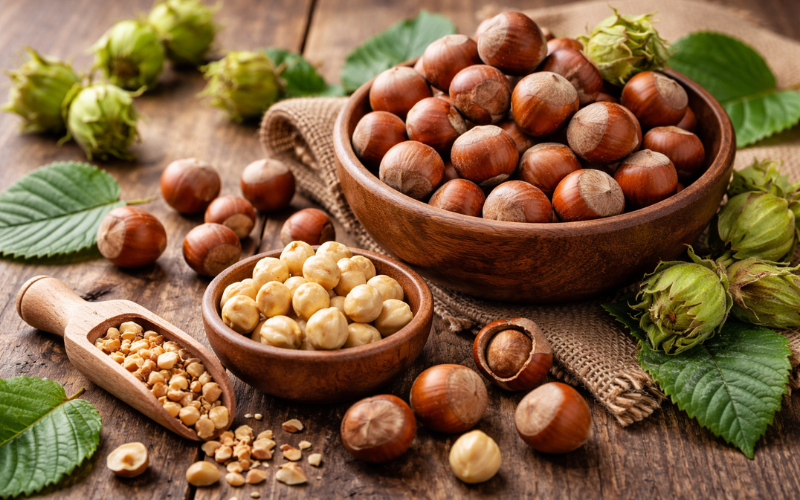
Filberts are tree nuts that come from the hazel tree. They are round to slightly oval in shape, with a smooth brown shell and a creamy, mildly sweet flavor. Many people know them for their rich taste and crunchy texture, especially in chocolates and baked goods. In everyday language, the word “filberts” is often used interchangeably with hazelnuts.
These nuts have been enjoyed for thousands of years. They were eaten by ancient cultures across Europe and parts of Asia. Over time, filberts became popular in many cuisines because they are versatile, easy to grow in certain climates, and full of nutrients.
Today, filberts are widely used in both home kitchens and large food industries. From roasted snacks to spreads and oils, they are valued for their flavor and health benefits.
The Origin of the Name “Filberts”
The name “filberts” is believed to have come from Saint Philbert, a French saint whose feast day falls around the time when these nuts are harvested in Europe. Over the years, the name became common in English-speaking countries, especially in the United States.
Although the scientific term is hazelnut, the word filbert continues to be widely used in markets and grocery stores. In many regions, both names mean the same thing.
Filberts vs Hazelnuts: Is There a Difference?
In most cases, filberts and hazelnuts are the same nut. The difference is mainly in naming. “Hazelnut” is the general term used worldwide, while “filbert” is more commonly used in the United States.
Some growers may use the word filbert to describe certain cultivated varieties, especially European types. However, from a nutritional and culinary point of view, there is no major difference between filberts and hazelnuts.
Where Filberts Are Grown Today
Filberts grow best in regions with mild climates and well-drained soil. Countries such as Turkey, Italy, and the United States are major producers. Turkey is the world’s largest supplier, exporting large amounts of filberts each year.
In the United States, Oregon is known for its filbert farms. The climate there is ideal for growing high-quality nuts. These regions focus on producing both fresh and processed filberts for global markets.
Different Types of Filberts You Should Know
There are several types of filberts grown around the world. While they share similar characteristics, each type has slight differences in size, flavor, and growing conditions.
European Filberts
European filberts are the most widely grown and commercially important type. They are larger, rounder, and often used in chocolates, spreads, and baking. These filberts have a smooth texture and rich, nutty flavor.
American Filberts
American filberts are native to North America. They are usually smaller and may have a slightly different flavor compared to European varieties. These types are often used in breeding programs because they are more resistant to certain plant diseases.
Popular Commercial Varieties
Within these categories, there are many cultivated varieties developed for better taste, size, and disease resistance. Some are preferred for roasting, while others are better for processing into paste or oil.
Farmers carefully select varieties based on climate, soil conditions, and market demand. This helps ensure that consumers receive high-quality filberts throughout the year.
Nutritional Value of Filberts
Filberts are known for their strong nutritional profile. They are rich in healthy fats, vitamins, minerals, and plant compounds that support overall wellness.
Key Vitamins and Minerals
Filberts contain vitamin E, which supports skin health and protects cells from damage. They also provide important minerals such as magnesium, copper, and manganese. These nutrients play roles in energy production, bone strength, and nerve function.
In addition, filberts contain small amounts of iron, calcium, and potassium. Eating them regularly can help support balanced nutrition when combined with a healthy diet.
Healthy Fats and Protein Content
One of the main reasons filberts are considered healthy is their fat content. They are rich in monounsaturated fats, the same type of heart-friendly fats found in olive oil. These fats may help support healthy cholesterol levels when eaten in moderation.
Filberts also provide plant-based protein, making them a good snack choice for vegetarians and those looking to increase protein intake naturally.
Are Filberts Good for Weight Management?
Although filberts are calorie-dense, they can still fit into a balanced eating plan. Their combination of healthy fats, protein, and fiber helps promote fullness. This may reduce overeating when consumed in reasonable portions.
Health Benefits of Filberts
Regularly including filberts in your diet may offer several health benefits. Their nutrient-rich composition supports different areas of the body.
Heart Health Support
The healthy fats in filberts may support heart health. Monounsaturated fats are linked to improved cholesterol balance. Filberts also contain antioxidants that help reduce oxidative stress in the body.
Benefits for Skin and Hair
Vitamin E found in filberts plays an important role in maintaining healthy skin. It helps protect against environmental damage and supports skin elasticity. Some people also use filbert oil in skincare products for its moisturizing properties.
Antioxidant Properties
Filberts contain natural plant compounds that act as antioxidants. These compounds help protect cells from damage caused by free radicals. Antioxidants are important for overall health and may support healthy aging.
How Filberts Are Used in Everyday Cooking
Filberts are extremely versatile in the kitchen. Their mild sweetness and crunchy texture make them suitable for many dishes.
Baking and Desserts
Filberts are commonly used in cakes, cookies, pastries, and chocolates. Ground filberts can be added to batters to create a rich, nutty flavor. They are also used in famous chocolate spreads and pralines.
Savory Dishes and Salads
In savory cooking, filberts add crunch to salads and roasted vegetables. They pair well with leafy greens, cheese, and citrus dressings. Some chefs use crushed filberts as a coating for fish or chicken to create a crisp outer layer.
Filbert Butter, Oil, and Spreads
Filberts can be processed into smooth butter, similar to peanut butter. Filbert butter is rich and creamy, often used on toast or in smoothies. Filbert oil is another popular product, known for its aromatic flavor and use in salad dressings.
How to Buy, Store, and Keep Filberts Fresh
Choosing and storing filberts correctly helps maintain their flavor and nutritional value.
Choosing Quality Filberts
When buying filberts in the shell, look for nuts that feel heavy for their size and have no cracks. Shelled filberts should have a mild, pleasant smell. Avoid nuts that smell sour or bitter.
Proper Storage Methods
Because filberts contain healthy oils, they can become rancid if not stored properly. It is best to keep them in an airtight container in a cool, dry place. For longer storage, refrigeration is recommended.
How Long Filberts Last
At room temperature, filberts may last a few weeks if stored well. In the refrigerator, they can stay fresh for several months. Freezing filberts can extend their shelf life even further without affecting flavor.
Are Filberts Safe for Everyone?
Filberts are safe and healthy for most people. However, there are a few important considerations.
Nut Allergies and Safety Considerations
People with tree nut allergies should avoid filberts. Allergic reactions can range from mild symptoms to serious conditions. If someone is unsure about allergies, it is important to consult a healthcare professional before consuming filberts.
Portion Size Recommendations
While filberts are nutritious, moderation is important. Eating a small handful per day is generally considered a reasonable portion. This allows you to benefit from their nutrients without consuming too many calories.
Conclusion
Filberts are nutrient-rich tree nuts known for their rich flavor, versatility, and health benefits. Whether you call them filberts or hazelnuts, they offer valuable vitamins, healthy fats, and plant-based protein. From baking and cooking to spreads and oils, filberts play an important role in kitchens around the world.
When stored properly and eaten in moderation, filberts can be a healthy and satisfying addition to everyday meals. By understanding their types, nutrition, and uses, you can confidently include filberts in your balanced diet and enjoy their natural goodness.
FAQs
1. What is the difference between filberts and hazelnuts?
Filberts and hazelnuts are essentially the same nut. The difference lies mainly in the name, with “filberts” being more commonly used in the United States.
2. Are filberts healthy to eat every day?
Yes, filberts can be part of a healthy daily diet when eaten in moderate portions. They provide healthy fats, vitamins, and minerals.
3. How should filberts be stored to keep them fresh?
Filberts should be stored in an airtight container in a cool, dry place. Refrigeration or freezing can extend their shelf life.
4. Can filberts be eaten raw, or should they be roasted?
Filberts can be eaten both raw and roasted. Roasting enhances their flavor, while raw filberts retain their natural taste and nutrients.
