Introduction
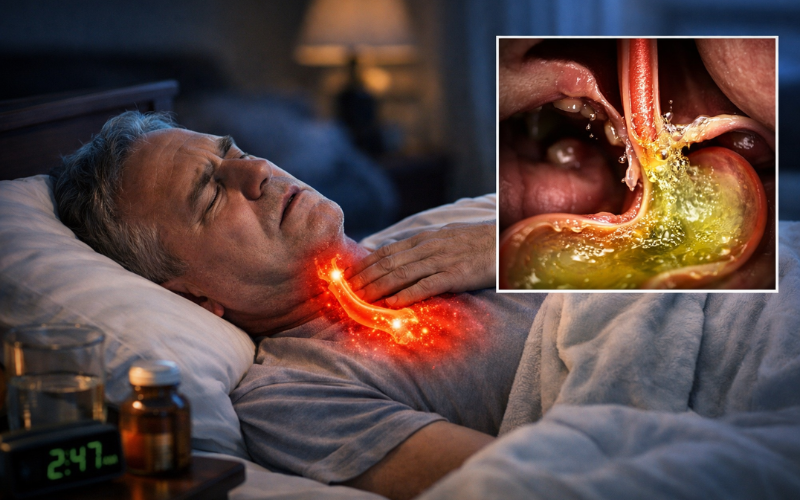
Many people who struggle with heartburn at night have asked the same frightening question can you die from acid reflux in your sleep? Waking up with a burning chest, a choking feeling, or a sour taste in your throat can be alarming. It is natural to worry that something serious might happen while you are asleep and unaware.
The good news is that death directly caused by acid reflux during sleep is extremely rare. However, severe and untreated reflux can lead to complications that should not be ignored. In this article, we will explain what really happens in your body at night, what the medical facts say, who may be at higher risk, and how to reduce nighttime symptoms safely. The goal is to give you clear, evidence-based information so you can replace fear with understanding.
Understanding Acid Reflux and What Happens at Night
How Acid Reflux Works
Acid reflux happens when stomach acid flows backward into the esophagus, the tube that connects your mouth to your stomach. Normally, a small muscle at the bottom of the esophagus closes tightly after you swallow. This muscle acts like a valve, keeping acid in the stomach where it belongs.
When this valve becomes weak or relaxes at the wrong time, acid can move upward. This causes the burning feeling known as heartburn. If reflux happens often or becomes chronic, doctors call it gastroesophageal reflux disease, or GERD.
Reflux itself is common. Many adults experience occasional heartburn after eating large meals, spicy foods, or lying down too soon after dinner. Most of the time, it is uncomfortable but not life-threatening.
Why Symptoms Often Get Worse When You Lie Down
Nighttime reflux can feel more intense for several reasons. When you lie flat, gravity no longer helps keep acid in your stomach. Acid can travel more easily into the esophagus and even reach the throat.
During sleep, you also swallow less often. Swallowing helps clear acid from the esophagus. Less swallowing means acid stays in contact with the lining of the esophagus for a longer time, which increases irritation.
Some people wake up coughing, choking, or gasping. These sensations can be scary and may lead to the question: can you die from acid reflux in your sleep? To answer that, we need to look at the medical facts.
Can You Die From Acid Reflux in Your Sleep? Separating Fear From Medical Facts
What Medical Research Says About Fatal Risk
For most people, acid reflux does not cause sudden death. There is no strong evidence showing that typical nighttime heartburn directly causes death during sleep.
However, in very rare and extreme cases, severe reflux can lead to complications. For example, if stomach contents enter the airways, this is called aspiration. Aspiration can cause breathing problems or lung infections. But these situations are uncommon and usually occur in people who already have serious health conditions.
In general, when people ask, “can you die from acid reflux in your sleep,” the honest answer is that it is highly unlikely for healthy individuals with typical GERD symptoms. The fear often comes from the choking sensation or chest pain that can feel intense and dramatic.
When Acid Reflux Becomes a Serious Concern
While death from acid reflux in sleep is rare, that does not mean reflux should be ignored. Chronic, untreated GERD can damage the lining of the esophagus over time. It may cause inflammation, ulcers, or changes in the cells of the esophagus.
Severe reflux may also disturb sleep regularly, leading to fatigue, anxiety, and reduced quality of life. In people with other conditions, such as breathing disorders, nighttime reflux can make symptoms worse.
The key point is this: acid reflux is usually manageable and not deadly, but persistent or severe symptoms deserve medical attention.
The Real Dangers Linked to Severe Nighttime Acid Reflux
Aspiration and Breathing Complications
One of the main fears behind the question “can you die from acid reflux in your sleep” is the risk of choking. In rare cases, stomach acid or partially digested food can move up into the throat and enter the airways. This is called aspiration.
Aspiration can trigger coughing, choking, or shortness of breath. If it happens repeatedly, it may lead to lung irritation or infection. People with swallowing problems, nerve disorders, or heavy sedation are at higher risk.
Acid Reflux, Choking Sensations, and Sleep Disturbances
Nighttime reflux can cause sudden waking with a feeling of choking or gasping. This can be very distressing. Often, it is the body reacting to acid irritating the throat or voice box.
Although the sensation may feel life-threatening in the moment, it usually resolves once the acid clears and breathing stabilizes. The emotional impact, however, can linger. Many people develop anxiety around sleep because they fear dying from acid reflux in their sleep.
Long-Term Complications of Untreated GERD
Chronic GERD can lead to ongoing inflammation. Over time, repeated exposure to stomach acid can damage the esophageal lining. In some cases, this may cause narrowing of the esophagus or changes in the tissue.
There is also a condition called Barrett’s esophagus, where long-term acid exposure changes the cells in the lower esophagus. While this does not mean cancer will occur, it slightly increases the risk and requires medical monitoring.
These long-term risks highlight why managing reflux is important, even if sudden death from acid reflux during sleep is extremely uncommon.
Who Is Most at Risk for Nighttime Acid Reflux Complications
People With Severe GERD
Individuals with frequent, untreated GERD symptoms are more likely to experience complications. Nighttime symptoms that happen several times a week, especially if they disrupt sleep, should be discussed with a doctor.
Individuals With Obesity or Sleep Apnea
Excess body weight can increase pressure on the stomach, making reflux more likely. Obstructive sleep apnea, a condition where breathing stops and starts during sleep, may also worsen reflux.
The combination of sleep apnea and GERD can increase nighttime breathing problems. In these cases, managing both conditions is important for overall health and safety.
Older Adults and Those With Underlying Conditions
Older adults, especially those with neurological disorders or swallowing difficulties, may have a higher risk of aspiration. People who take medications that relax muscles or cause heavy sedation may also be more vulnerable.
If you belong to one of these groups and are concerned about whether you can die from acid reflux in your sleep, a healthcare provider can evaluate your personal risk and offer guidance.
Warning Signs That Should Never Be Ignored
Symptoms That May Mimic Heart Problems
Chest pain caused by acid reflux can feel similar to heart-related pain. If you experience new, severe, or crushing chest pain, especially with sweating, nausea, or shortness of breath, seek emergency care immediately.
Signs of Aspiration or Breathing Issues
Persistent coughing at night, frequent choking episodes, or repeated lung infections may suggest aspiration. If these symptoms occur, medical evaluation is important.
Ongoing hoarseness, wheezing, or throat irritation can also signal that acid is reaching higher into the airway.
When to Seek Emergency Care
Seek urgent help if you experience severe difficulty breathing, inability to swallow, vomiting blood, or black stools. These symptoms are not typical of mild reflux and require prompt medical attention.
While asking “can you die from acid reflux in your sleep” is understandable, true emergencies usually come with clear and serious warning signs.
How to Reduce the Risk of Acid Reflux While Sleeping
Sleep Position and Bed Elevation
Sleeping with your upper body slightly elevated can reduce reflux. Raising the head of the bed by several inches helps gravity keep stomach acid down.
Sleeping on your left side may also reduce nighttime reflux in some people. Small adjustments in position can make a noticeable difference.
Eating Habits Before Bed
Limiting alcohol and caffeine in the evening can also help. Paying attention to personal trigger foods and adjusting your evening routine may significantly reduce symptoms.
Medical Treatments That Help Prevent Nighttime Reflux
Over-the-counter medications such as antacids, H2 blockers, and proton pump inhibitors can reduce stomach acid. For people with frequent symptoms, a doctor may recommend prescription treatment.
Lifestyle changes combined with appropriate medication are often very effective. When reflux is well controlled, the fear of dying from acid reflux in your sleep usually decreases as well.
How Doctors Diagnose and Manage Severe Nighttime GERD
Tests Used to Evaluate Risk
If symptoms are severe or do not improve, doctors may recommend tests. These can include endoscopy, which allows the doctor to look inside the esophagus, or pH monitoring to measure acid levels.
Treatment Options for Persistent Symptoms
Treatment may involve stronger medications, dietary adjustments, weight management, or in rare cases, surgery to strengthen the valve between the stomach and esophagus.
Conclusion
So, can you die from acid reflux in your sleep? For the vast majority of people, the answer is no. Death from typical nighttime acid reflux is extremely rare. However, chronic and untreated GERD can lead to complications that deserve attention.
If you experience frequent nighttime symptoms, choking episodes, or severe discomfort, consult a healthcare provider. With proper treatment, lifestyle changes, and medical guidance, most people can control their reflux and sleep safely.
Understanding the difference between common symptoms and true medical emergencies is key. By focusing on prevention and evidence-based care, you can reduce both your physical discomfort and the fear surrounding nighttime acid reflux.
FAQs
1. Can acid reflux cause choking during sleep?
Yes, acid reflux can cause a choking or gasping sensation at night. This usually happens when acid irritates the throat or briefly enters the airway. While frightening, the body’s reflexes typically protect you by waking you up.
2. Has anyone died from acid reflux in their sleep?
Direct death solely from typical acid reflux is extremely rare. In very unusual cases involving severe aspiration and other serious health conditions, complications may occur. For most healthy individuals, the risk is very low.
3. Is nighttime acid reflux more dangerous than daytime reflux?
Nighttime reflux can be more irritating because you are lying down and swallow less frequently. While it may increase the risk of complications over time, it is not usually life-threatening when treated properly.
4. How can I stop worrying about dying from acid reflux at night?
Managing your symptoms, following medical advice, and understanding the facts can reduce anxiety. If fear continues to affect your sleep, speaking with a healthcare professional can provide reassurance and support.
