Introduction
If you enjoy fishing for squid, having the right gear can make all the difference. A calamariere is a specialized tool designed to catch squid efficiently, and understanding how to choose, use, and care for it is essential for both beginners and experienced anglers. In this guide, we will explore what a calamariere is, the key features to look for, practical fishing techniques, and tips on maintenance, helping you improve your squid fishing experience.
What Is a Calamariere and How Does It Work?
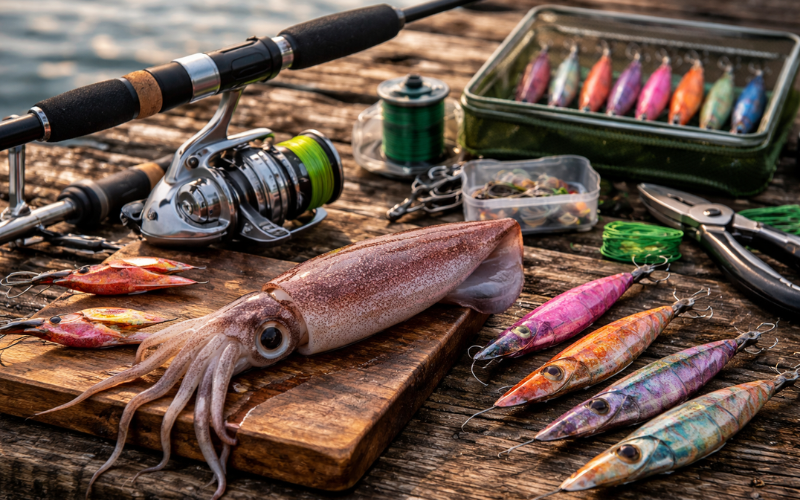
A calamariere is essentially a type of fishing jig designed specifically for squid. Unlike traditional fishing lures, it mimics the movement of prey that squid naturally hunt, making it more effective in attracting them. The structure usually consists of a weighted body with multiple sharp hooks arranged in a circular pattern, allowing the squid to latch on as it strikes.
When using a calamariere, the angler typically casts it into the water and employs a combination of jerks and pauses, creating a lifelike motion. This action triggers the squid’s hunting instincts, making it more likely to grab onto the hooks.
Types of Calamariere
There are several variations of calamariere, each designed for specific fishing conditions. Some are lightweight for shallow waters, allowing a more delicate presentation, while heavier models are used in deeper waters or rough seas. Other types differ in hook arrangement, color patterns, or size, catering to different species of squid and fishing styles. Understanding these variations can help you select the right calamariere for your needs.
Key Features to Look for in a Calamariere
Choosing the right calamariere is crucial for improving your catch rate. Material, size, weight, and design are the primary factors to consider. High-quality calamariere are often made from durable, corrosion-resistant materials like stainless steel or high-grade plastic, which can withstand repeated exposure to saltwater.
The size and weight of the calamariere should match the fishing conditions. A heavier calamariere can sink faster and maintain stability in strong currents, while lighter versions are more suitable for gentle waters and precise movements. The design, including color and shape, plays a role in attracting squid. Many calamariere come in bright colors or reflective finishes that catch the light underwater, making them more noticeable to squid.
Choosing the Right Jig and Hooks
The hooks on a calamariere are designed to catch squid efficiently. Some models have single hooks, while others feature multiple prongs or barbs to increase the chance of a secure hold. The type of jig can also influence your success, as different shapes and colors can attract squid differently depending on the time of day, water clarity, and local species.
How to Use a Calamariere for Successful Squid Fishing
Using a calamariere effectively involves more than just casting it into the water. It requires understanding the behavior of squid and applying fishing techniques that mimic natural prey. Beginners should start with slow, consistent movements, gradually adding pauses and jerks to simulate a swimming creature. Experienced anglers often vary their speed and rhythm to provoke strikes from cautious squid.
Best Techniques and Movements
The most effective technique involves a combination of short lifts and pauses. By lifting the calamariere slightly and letting it drop naturally, you create a motion that closely resembles the behavior of small fish or shrimp. Rotating the rod gently while lifting can also make the jig spin or flutter, adding another layer of realism. Patience is key, as squid can be selective and may take time to respond to your presentation.
Ideal Locations and Times for Calamariere Fishing
Squid are generally found in coastal areas, harbors, and rocky reefs where they can hide and hunt smaller prey. Nighttime fishing often yields better results, as many squid species are more active in low light conditions. Using lights to attract plankton can also indirectly attract squid, making your calamariere more effective.
Seasonal Patterns and Tide Considerations
Fishing during certain seasons can improve your chances. In many regions, squid migrate closer to shore during the warmer months, making them more accessible. Tides also influence their behavior, with rising or falling tides often prompting increased activity. Understanding these natural patterns allows you to plan your trips strategically.
Common Mistakes to Avoid with Your Calamariere
One common mistake is using the wrong size or weight for the fishing conditions, which can reduce effectiveness. Another is jerking the rod too aggressively, which can scare away squid rather than entice them. It’s also important to monitor your hooks regularly; dull or rusted hooks significantly decrease your success rate. Being mindful of these pitfalls helps ensure a more productive fishing experience.
Cleaning and Maintaining Your Calamariere
Proper maintenance extends the lifespan of your calamariere and keeps it performing well. After each fishing trip, rinse the calamariere with fresh water to remove salt and debris. Dry it thoroughly before storing it in a tackle box to prevent rust and corrosion. Occasionally inspect the hooks and replace any that are bent or damaged. Some anglers also apply a light coat of protective oil to the metal parts to prevent long-term corrosion.
Choosing the Right Calamariere for Your Skill Level
For beginners, lightweight and easy-to-use calamariere with simple hook arrangements are ideal. These allow new anglers to practice techniques without being overwhelmed. Advanced anglers might prefer specialized models with unique color patterns, heavier weights, or more complex hook systems, allowing them to target specific squid species or adapt to challenging conditions. Selecting a calamariere that matches your skill level helps you gain confidence and enjoy the fishing experience more.
Conclusion
A calamariere is a vital tool for anyone serious about squid fishing. Understanding its types, features, and proper techniques can dramatically improve your success on the water. By choosing the right calamariere, practicing effective movements, and maintaining your gear carefully, you can enjoy more productive and rewarding fishing experiences. With knowledge, patience, and the right equipment, squid fishing becomes not only more efficient but also more enjoyable.
FAQs
1. What is the best material for a calamariere?
High-quality calamariere are typically made from stainless steel or durable plastics that resist corrosion and withstand repeated use in saltwater environments.
2. How do I know which size of calamariere to use?
The size depends on the fishing conditions and the type of squid you are targeting. Smaller calamariere work well in shallow waters, while larger, heavier versions are better for deep or rough waters.
3. Can calamariere be used in both saltwater and freshwater?
Yes, but most calamariere are designed for saltwater squid species. Freshwater use is possible, but be mindful of hook material and maintenance to prevent corrosion.
4. How often should I replace my calamariere hooks?
Inspect hooks regularly and replace them whenever they are bent, dull, or rusted. This ensures higher catch rates and prevents losing squid during fishing.
