Introduction
Branzino fish has become a popular choice for people who enjoy light, fresh, and easy-to-cook seafood. Known for its mild flavor and elegant appearance, branzino is widely loved in restaurants and home kitchens alike. Today, more people are searching for branzino fish because it fits modern food habits that focus on simple cooking, balanced nutrition, and natural ingredients.
What Branzino Fish Is and Why It’s So Popular
Branzino fish is a type of sea bass that is most commonly found in Mediterranean and European cuisines. It is also known as European sea bass, and in some regions, it may be called lavraki or loup de mer. Despite the different names, they all refer to the same fish that is valued for its clean taste and soft texture.
One of the main reasons branzino fish is so popular is its versatility. It works well with many cooking styles and flavors without needing heavy spices or sauces. Chefs appreciate branzino because it looks impressive when served whole, while home cooks enjoy it because it is easy to prepare and not overpowering. Its growing availability in global markets has also helped make branzino fish a familiar name beyond the Mediterranean region.
Where Branzino Fish Comes From
Branzino fish naturally lives in coastal waters and seas, especially around the Mediterranean Sea and parts of the eastern Atlantic Ocean. It prefers shallow waters and is often found near shorelines, lagoons, and estuaries. These environments influence the fish’s quality, as clean waters and natural diets help develop its mild and slightly sweet flavor.
Over time, branzino fish has also become widely farmed to meet growing demand. Countries like Greece, Italy, Spain, and Turkey are well-known producers. Geography plays a role in taste and texture, as water conditions, feed quality, and farming practices can slightly affect how the fish develops. Even so, branzino from reputable sources generally maintains a consistent quality that people trust.
Wild-Caught vs Farm-Raised Branzino
When shopping for branzino fish, you may notice both wild-caught and farm-raised options. Wild-caught branzino is taken directly from natural waters and may have a slightly firmer texture due to its active lifestyle. Its availability is often seasonal, and prices can be higher because supply is limited.
Farm-raised branzino, on the other hand, is more commonly found in markets today. It is raised in controlled environments that allow for steady production throughout the year. This makes farm-raised branzino fish more affordable and easier to find. In many cases, responsible fish farms focus on sustainability, water quality, and proper feeding, making farm-raised branzino a reliable and environmentally conscious option for everyday cooking.
Taste and Texture of Branzino Fish
Branzino fish is best known for its mild, clean flavor that is not overly fishy. This makes it a great choice for people who are new to seafood or prefer lighter tastes. The flesh is white, tender, and slightly flaky, with a smooth mouthfeel that feels pleasant without being heavy.
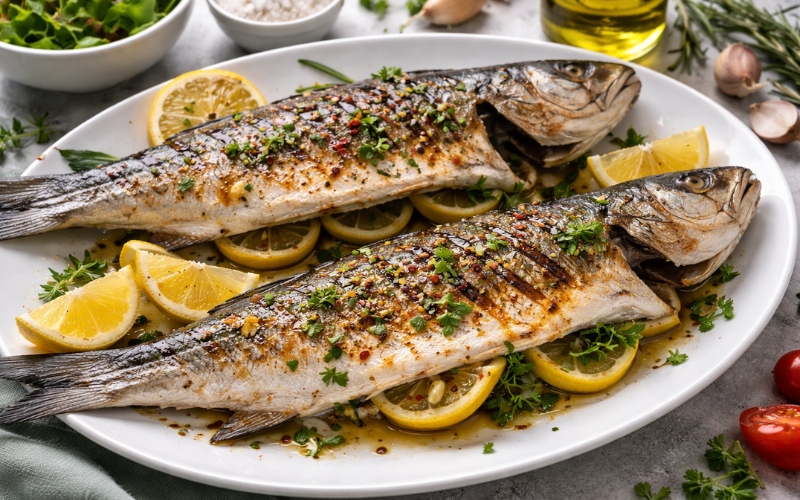
Because the flavor of branzino fish is gentle, it pairs well with simple ingredients like olive oil, herbs, lemon, and vegetables. It does not require strong seasoning to taste good, which is why it is often served with minimal additions. This balance of taste and texture is a major reason branzino fish continues to grow in popularity around the world.
Nutritional Value of Branzino Fish
Branzino fish is valued not only for its taste but also for its nutritional profile. It fits well into balanced eating habits and is often chosen by people who want a lighter source of protein. Branzino is naturally low in calories compared to some other animal proteins, making it suitable for regular meals without feeling too filling.
The fish also contains essential nutrients that support everyday wellness. While it is not marketed as a health product, branzino fish is widely considered a wholesome food option when prepared in simple ways such as grilling, baking, or roasting. Its natural qualities make it appealing to those who prefer clean and uncomplicated foods.
Protein, Healthy Fats, and Key Nutrients
Branzino fish provides a good amount of protein, which helps support daily energy needs and muscle maintenance. Protein from fish is generally easy to digest, making branzino a comfortable choice for many people.
In addition to protein, branzino contains healthy fats in moderate amounts. These fats help add flavor and contribute to a satisfying meal without being too rich. Branzino fish also includes vitamins and minerals such as vitamin B12, selenium, and phosphorus, which play important roles in normal body functions. The overall nutrient balance is one reason branzino fish is often included in modern, health-aware diets.
How Branzino Fish Is Commonly Prepared
Branzino fish is commonly prepared using simple cooking methods that highlight its natural taste. Grilling, baking, roasting, and pan-searing are popular options because they preserve the fish’s moisture and delicate texture. Many people prefer cooking branzino with the skin on, as it helps protect the flesh and adds a light crispness when cooked properly.
In everyday cooking, branzino fish is often seasoned lightly and paired with vegetables, grains, or salads. It fits well into both casual meals and special occasions. Because it cooks relatively quickly, branzino is a practical choice for busy home cooks who still want a fresh and satisfying seafood dish.
Whole Branzino vs Fillets
Branzino fish is frequently cooked and served whole, especially in Mediterranean-style dishes. Cooking the fish whole helps keep the flesh moist and allows flavors to develop evenly. Many people also enjoy the presentation of a whole branzino, as it feels traditional and restaurant-quality.
Fillets are another common option, particularly for those who prefer convenience. Branzino fillets are easy to portion and cook evenly, making them suitable for quick meals. Both options offer the same mild flavor and nutritional value, so the choice often depends on personal preference and cooking style.
Branzino Fish in Mediterranean and Modern Cooking
In Mediterranean cuisine, branzino fish has long been a staple. It is often prepared with olive oil, fresh herbs, and seasonal vegetables, reflecting the region’s focus on simple and natural ingredients. These traditional preparations have helped shape branzino’s reputation as a clean and elegant fish.
In modern cooking, branzino fish has found a place in many global kitchens. Chefs and home cooks alike adapt it to different flavors and techniques while still respecting its delicate nature. Whether served in a traditional style or with modern twists, branzino continues to fit well into evolving food trends.
How to Choose and Store Fresh Branzino Fish
When choosing fresh branzino fish, appearance and smell are important indicators of quality. Fresh branzino should have clear eyes, shiny skin, and a mild, clean scent. The flesh should feel firm to the touch, not soft or mushy.
Proper storage is also important to maintain freshness. Branzino fish should be kept cold and used within a short time after purchase. If not cooked right away, storing it in the coldest part of the refrigerator helps preserve its taste and texture. Simple handling and storage practices make a noticeable difference in the final meal.
Final Thoughts
Branzino fish stands out as a simple yet refined seafood option that suits both traditional and modern cooking styles. Its mild taste, soft texture, and balanced nutrition make it appealing to a wide range of people. Whether you are new to seafood or already enjoy fish regularly, branzino fish offers an easy and satisfying way to enjoy fresh, flavorful meals without unnecessary complexity.
FAQs
1. Is branzino fish healthy to eat regularly?
Branzino fish is generally considered a balanced food choice when eaten as part of a varied diet. Its protein content and moderate fat levels make it suitable for regular meals, especially when prepared in simple ways.
2. Does branzino fish taste very fishy?
No, branzino fish is known for its mild and clean flavor. Many people who do not usually enjoy strong seafood flavors find branzino easy and pleasant to eat.
3. Is branzino fish expensive compared to other seafood?
The price of branzino fish can vary depending on whether it is wild-caught or farm-raised. Farm-raised branzino is usually more affordable and widely available, making it comparable to many other popular fish options.
4. Can branzino fish be eaten with the skin on?
Yes, branzino fish skin is commonly eaten and becomes lightly crisp when cooked properly. Keeping the skin on also helps protect the flesh during cooking.
