Introduction
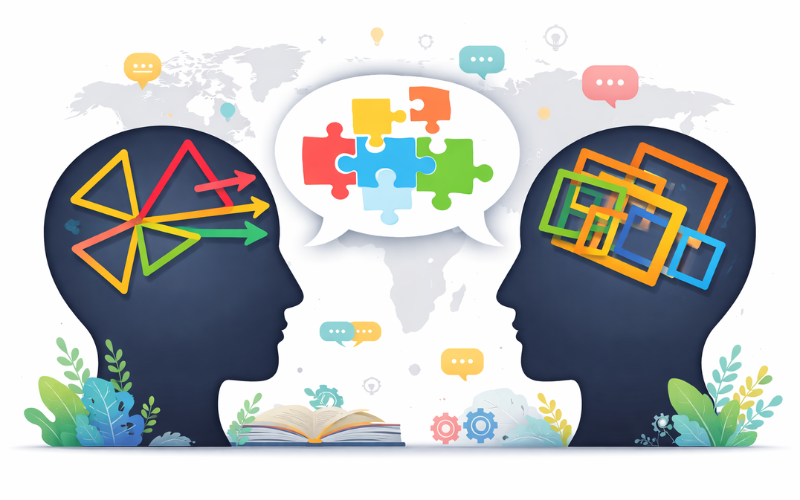
Assimilasjon is a concept that appears in language, culture, and even science. At its core, it refers to the process of adapting or integrating elements from one context into another. Understanding assimilasjon is important because it shapes how we communicate, how communities evolve, and how living organisms grow. By exploring its various forms, we can better appreciate its role in our daily lives and its broader impact across different fields.
What Assimilasjon Really Means
Assimilasjon comes from the Latin word assimilare, meaning “to make similar.” Essentially, it is the process by which something is absorbed, adapted, or integrated into a larger system. While the term is versatile, it often revolves around the idea of transformation and adaptation.
In different contexts, assimilasjon takes on nuanced meanings. In language, it may describe subtle changes in pronunciation. In society, it relates to cultural integration and adaptation. In science, particularly biology, it explains how organisms absorb and utilize nutrients. These multiple dimensions highlight why assimilasjon is both a practical and theoretical concept worth understanding.
Assimilasjon in Language
In linguistics, assimilasjon refers to the way sounds change to become more similar to neighboring sounds. This process makes speech smoother and easier to pronounce. For example, in some languages, certain consonants may shift their articulation based on the letters around them.
Examples in Common Languages
In English, assimilasjon can be seen in words like “input,” which is often pronounced as “imput” in casual speech because the “n” sound adapts to the following “p.” Similarly, in Norwegian, certain consonant clusters undergo assimilation to maintain fluidity in pronunciation. These examples show that assimilasjon is a natural part of spoken language evolution.
Rules and Patterns to Notice
While assimilasjon might seem random at times, linguists have identified consistent patterns. Generally, it occurs when one sound influences the manner or place of articulation of an adjacent sound. Recognizing these patterns can help language learners improve pronunciation and fluency while also understanding regional accents and variations.
Cultural and Social Assimilasjon
Beyond language, assimilasjon is central to social and cultural life. It describes the process by which individuals or groups adapt to the norms, values, and behaviors of another society. This is especially visible in migration, education, and workplace integration.
Assimilasjon can be voluntary, such as when someone actively embraces a new culture to better fit in, or it can be enforced, as historically seen in policies aimed at homogenizing minority populations. Voluntary assimilasjon often leads to a rich blending of traditions and ideas, while enforced assimilation can create tension and cultural loss. Understanding these dynamics is key to fostering inclusive societies.
Assimilasjon in Biology and Science
In biology, assimilasjon refers to the process by which organisms convert nutrients from their environment into usable forms for growth and energy. It is a fundamental part of metabolism and essential for life.
How Organisms Use Assimilation to Absorb Nutrients
Plants, for example, assimilate nutrients like nitrogen and carbon through their roots and leaves, converting them into proteins and other compounds necessary for survival. Animals assimilate food by breaking it down in the digestive system and absorbing its nutrients into the bloodstream.
Key Differences Between Assimilation and Absorption
It is important to distinguish between assimilation and absorption. Absorption is the initial process of taking in substances, while assimilasjon is the internal transformation of these substances into forms the organism can use. This distinction highlights the broader meaning of assimilation as both uptake and adaptation.
Benefits and Challenges of Assimilasjon
Assimilasjon brings several benefits, especially in social and personal contexts. It can promote communication, understanding, and cohesion within diverse communities. On a personal level, it allows individuals to adapt to new environments, enhancing learning and growth.
However, assimilation also has challenges. When cultural assimilation is forced, it may lead to loss of identity and heritage. Even in language, over-assimilation can result in mispronunciations or misunderstandings. Being aware of these challenges ensures that assimilasjon is approached thoughtfully and respectfully, balancing adaptation with authenticity.
Assimilasjon vs. Related Concepts
Assimilasjon is closely related to other concepts like integration, acculturation, and adaptation, but there are important distinctions. Integration emphasizes mutual participation and coexistence, whereas assimilasjon often involves one party adjusting to the norms of another. Acculturation refers to cultural exchange and influence between groups, while adaptation is a broader term that can apply to biological, environmental, or social changes.
Practical Examples of Assimilasjon in Daily Life
Assimilasjon happens every day, often without us noticing. A student learning a second language naturally assimilates pronunciation and vocabulary patterns. Immigrants adapting to a new culture incorporate local customs while maintaining aspects of their own heritage. Even in nature, organisms assimilate nutrients from their environment to survive.
Conclusion
Assimilasjon is a versatile and meaningful concept that touches language, culture, and science. It reflects the natural human and biological tendency to adapt and integrate, whether by shaping speech, blending cultural practices, or transforming nutrients into usable energy. By understanding assimilasjon, we can better navigate communication, relationships, and personal growth, recognizing the balance between adaptation and preservation in our daily lives.
FAQs
1. What is the main purpose of assimilasjon?
The main purpose is to adapt, integrate, or absorb elements from one system into another, improving understanding, function, or survival.
2. How does assimilasjon affect language learning?
It helps learners adjust pronunciation, grammar, and vocabulary to match natural speech patterns, improving fluency and comprehension.
3. Can assimilasjon happen without cultural change?
Yes, assimilasjon can occur in language or biology without requiring broader cultural or societal changes.
4. What is the difference between assimilasjon and integration?
Assimilasjon often involves adapting to an existing system, while integration emphasizes participation and mutual influence between systems or groups.
