Introduction
Asphalt on asphalt refers to installing a new layer of asphalt directly over an existing asphalt surface. Many homeowners and property managers choose this method to improve appearance and extend pavement life without removing the old layer. However, whether asphalt on asphalt is a smart long-term solution depends on the condition of the base, drainage, thickness, and proper preparation.
Understanding Asphalt on Asphalt in Simple Terms
In simple words, asphalt on asphalt means placing fresh hot mix asphalt over an already paved asphalt surface. Instead of tearing out the entire driveway or parking lot, contractors resurface it by adding a new top layer. This process is often called asphalt overlay or resurfacing.
The key difference between asphalt on asphalt and full replacement is what happens underneath. With full removal and replacement, the old asphalt is completely taken out, and sometimes the base material is rebuilt before new asphalt is installed. With asphalt on asphalt resurfacing, the existing pavement stays in place. The new layer bonds to the old one, creating a refreshed surface.
This approach can save time and money, but it only works when the foundation below is still stable. If the base is damaged, placing asphalt on asphalt may only hide the problem for a short period.
When Installing Asphalt on Asphalt Makes Sense
Asphalt on asphalt makes sense when the existing pavement is structurally sound. If the surface has minor cracks, slight fading, or small surface wear, resurfacing can restore both strength and appearance. In these cases, the foundation is still strong, and the damage is mostly cosmetic.
Light to moderate surface damage is usually acceptable. Small cracks, shallow raveling, or minor uneven areas can often be repaired before the new layer is installed. When handled properly, asphalt on asphalt can add many years of life to the pavement.
Proper evaluation is essential. A professional inspection helps determine whether the base is stable. Contractors look for signs of deep movement, soft spots, or drainage problems. Without this step, resurfacing can lead to early failure. Installing asphalt on asphalt without understanding the condition below is one of the most common mistakes in paving projects.
When Asphalt on Asphalt Is Not a Good Idea
There are situations where asphalt on asphalt should not be used. If the base has failed, resurfacing will not fix the root problem. Signs of serious base failure include large areas that sink under pressure, widespread cracking in patterns, or sections that shift or move.
Drainage problems are another major concern. If water collects on the surface or drains poorly, placing asphalt on asphalt can make the issue worse. Water weakens the foundation over time. Adding a new layer without fixing drainage may trap moisture below, leading to cracks and potholes.
Large cracks, deep potholes, and uneven pavement are warning signs. These issues often indicate structural problems beneath the surface. Simply covering them with a new layer may provide temporary improvement, but the damage can reappear through the new asphalt. This is often called reflective cracking.
In such cases, full removal and replacement may be the better long-term choice. While it costs more upfront, it addresses underlying problems instead of hiding them.
The Step-by-Step Process of Laying Asphalt on Asphalt
Installing asphalt on asphalt is not as simple as pouring new material on top. Proper preparation and bonding are critical for success.
Surface Inspection and Preparation
The first step is a detailed inspection. Contractors check for weak spots, drainage issues, and structural damage. Any serious problems must be repaired before resurfacing begins.
Next comes cleaning. Dirt, debris, oil stains, and loose particles are removed from the surface. A clean surface helps the new asphalt bond correctly. Cracks may be filled, and uneven areas may be leveled to create a smooth base for the overlay.
Applying a Tack Coat
After cleaning and repairs, a tack coat is applied. This is a thin liquid asphalt layer sprayed over the old pavement. Its purpose is to create a strong bond between the existing surface and the new asphalt.
Without a tack coat, the layers may not stick together properly. This can lead to separation, slippage, or early cracking. A properly applied tack coat ensures that asphalt on asphalt acts as one solid structure rather than two separate layers.
Adding and Compacting the New Asphalt Layer
Once the surface is prepared and bonded, the new asphalt layer is placed. The thickness depends on the project type, traffic level, and existing condition.
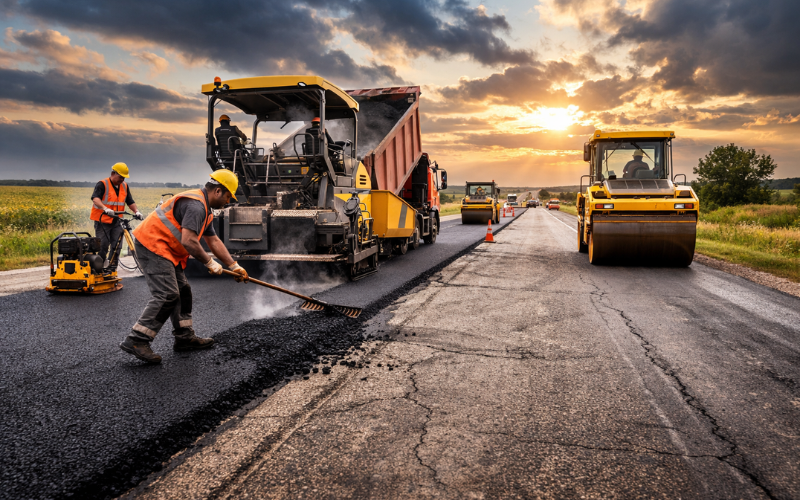
The asphalt is then compacted using heavy rollers. Proper compaction removes air gaps and strengthens the material. Even compaction across the entire surface is essential for durability.
Benefits of Asphalt on Asphalt Resurfacing
One of the main benefits of asphalt on asphalt is cost savings. Because the old pavement remains in place, there is less labor, less material removal, and shorter project time. This makes resurfacing more affordable than full reconstruction.
Another benefit is faster completion. Many driveway and parking lot resurfacing projects can be finished quickly, reducing disruption for homeowners or businesses.
Asphalt on asphalt also improves appearance. The new surface looks clean, dark, and smooth. It enhances curb appeal and creates a safer driving surface.
When installed correctly on a stable base, asphalt on asphalt can extend the life of pavement by many years. It protects the underlying layer from further wear, sunlight, and moisture damage.
Potential Drawbacks and Long-Term Risks
Despite its advantages, asphalt on asphalt has limitations. Each new layer increases the height of the pavement. Over time, this can affect garage thresholds, sidewalks, and drainage slopes.
Another risk is hidden structural damage. If the base is already weak, resurfacing may delay but not prevent failure. Cracks and depressions can return sooner than expected.
The lifespan of asphalt on asphalt also depends heavily on the original condition. If the base was not properly built years ago, adding another layer will not correct that weakness.
Recurring cracks are another common issue. Reflective cracking happens when cracks in the old surface reappear in the new layer. While certain treatments can reduce this risk, it cannot always be completely prevented.
How Thick Should Asphalt Be When Installed Over Asphalt?
Thickness plays a major role in durability. For residential driveways, a new asphalt layer is often around 1.5 to 2 inches thick after compaction. This is usually enough for standard vehicle traffic when the base is strong.
Parking lots and areas with heavier vehicles may require thicker overlays. In some commercial settings, greater thickness helps distribute weight and prevent early cracking.
Proper thickness ensures that asphalt on asphalt performs well over time. If the new layer is too thin, it may wear out quickly or fail to protect the underlying surface. If it is too thick without adjusting edges and slopes, drainage problems can develop.
How Long Does Asphalt on Asphalt Last?
The lifespan of asphalt on asphalt depends on several factors. When installed over a strong base and maintained properly, resurfacing can last 8 to 15 years or more.
Traffic volume is one of the biggest influences. Driveways with light vehicle use generally last longer than busy commercial lots. Climate also matters. Areas with extreme heat, heavy rainfall, or freezing temperatures may see faster wear.
Maintenance plays a key role in extending life. Sealcoating, crack filling, and timely repairs help protect the surface from water and sun damage. Without maintenance, even well-installed asphalt on asphalt can deteriorate more quickly.
The quality of installation also makes a difference. Proper preparation, bonding, thickness, and compaction all contribute to long-term performance.
Cost Factors to Consider Before Choosing Asphalt on Asphalt
The cost of asphalt on asphalt varies based on surface condition, project size, and local material prices. If significant repairs are needed before resurfacing, preparation costs may increase.
The size of the driveway or parking lot affects overall pricing. Larger projects require more material and labor. Accessibility and equipment needs can also impact cost.
Comparing resurfacing with full replacement is important. While asphalt on asphalt is usually less expensive upfront, full reconstruction may offer longer life in certain situations. Understanding both short-term savings and long-term value helps property owners make balanced decisions.
Conclusion
Asphalt on asphalt can be an effective and cost-efficient way to restore driveways and parking lots when the existing pavement is still strong. It improves appearance, extends lifespan, and reduces project time compared to full replacement. However, success depends on careful inspection, proper preparation, correct thickness, and ongoing maintenance.
Choosing asphalt on asphalt should be based on the true condition of the foundation, not just the desire to save money. When installed correctly over a stable base, it offers a practical and durable resurfacing solution. When underlying problems exist, full reconstruction may be the smarter long-term investment.
FAQs
1. Is asphalt on asphalt a permanent solution?
Asphalt on asphalt is not usually considered permanent. It can significantly extend pavement life, but if the base fails or maintenance is neglected, problems may return over time.
2. Can you put asphalt on asphalt without removing the old layer?
Yes, you can install asphalt on asphalt without removing the old layer, as long as the existing surface is structurally sound and properly prepared. Severe damage or base failure may require full removal.
3. How do you know if asphalt on asphalt will last?
A professional inspection is the best way to know. If the foundation is stable, drainage is adequate, and preparation is done correctly, asphalt on asphalt can last many years.
4. Will cracks in old asphalt come back through the new layer?
In some cases, yes. This is known as reflective cracking. Proper repairs and bonding reduce the risk, but deep structural cracks may eventually reappear.
