Introduction
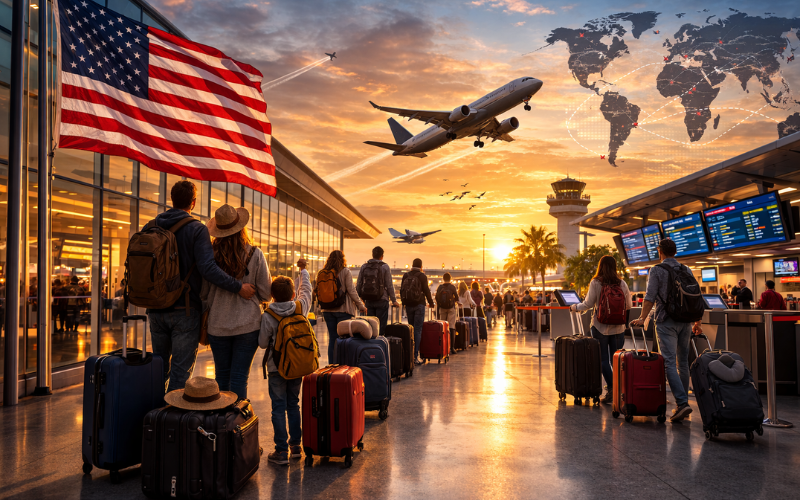
The phrase American revenge travel surge describes the wave of travel that swept across the United States after pandemic restrictions eased. For many people, travel was more than a vacation — it was a way to make up for lost time, missed celebrations, and postponed dreams. Families reunited, friends planned long-delayed trips, and individuals finally booked destinations they had only imagined during lockdown.
During the height of the pandemic, movement was limited, borders were closed, and uncertainty kept travelers at home. Once restrictions lifted, pent-up demand turned into action almost overnight. Airlines filled up, hotels booked months ahead, and tourist hotspots saw record numbers of visitors.
What the American Revenge Travel Surge Actually Refers To
The American revenge travel surge refers to the sharp increase in travel among U.S. residents following the COVID-19 pandemic. The word “revenge” does not imply anger, but rather a strong desire to reclaim experiences that were taken away. People wanted to travel not just for leisure, but to restore a sense of normal life.
As vaccines became widely available and travel restrictions loosened, millions of Americans rushed to book trips. The trend quickly became a defining feature of the recovery period. Travel companies, airlines, and tourism boards all reported unusually high demand, and the phrase entered everyday conversation as a way to describe this sudden wave of movement.
What made the trend especially noticeable was its emotional element. Travelers were not simply looking for deals or convenience. They were motivated by the feeling that time had been lost and needed to be regained.
The Forces That Ignited America’s Post-Pandemic Travel Boom
Several factors combined to spark the American revenge travel surge. One of the strongest was lockdown fatigue. After months of staying indoors and limiting social contact, many people felt an urgent need to explore the world again. Travel offered freedom, excitement, and a return to shared experiences.
Financial conditions also played a role. During the pandemic, some households saved money they would normally spend on entertainment, commuting, or dining out. Government stimulus payments and reduced daily expenses gave certain travelers extra funds to use on trips once travel reopened.
Workplace changes further supported this shift. Remote and hybrid work policies allowed people to travel without taking extended leave. Some workers began blending travel with work, extending vacations or relocating temporarily while maintaining their jobs online.
Culturally, there was also a sense of reclaiming life’s milestones. Weddings, anniversaries, family reunions, and bucket-list adventures had been postponed. Travel became the vehicle for making those moments happen at last.
When the Surge Hit Its Peak in 2022–2023
The American revenge travel surge reached its strongest point between 2022 and 2023. During this period, travel spending climbed sharply, and many destinations reported visitor levels that matched or even exceeded pre-pandemic numbers.
In the early stages of the boom, domestic travel dominated. National parks, beach destinations, and popular stateside locations saw heavy demand as travelers felt more comfortable staying within the country. Soon after, international travel rebounded strongly as borders reopened and confidence grew.
Travel styles during this peak often leaned toward indulgence. Many travelers upgraded flights, chose better hotels, or booked guided experiences they might not have considered before. The sense of making up for lost time encouraged people to prioritize comfort and memorable experiences over budget concerns.
This period marked a rare moment when emotional motivation and financial readiness aligned, producing one of the most visible travel surges in recent U.S. history.
How Travel Behavior Started Changing After the Peak
After the initial excitement faded, travel habits began to shift. By 2024 and into 2025, travelers were no longer booking trips in a rush. Instead, they started planning further in advance and comparing options more carefully.
People also became more selective about where they traveled and why. Rather than trying to visit as many places as possible, many travelers began focusing on destinations that offered meaningful experiences or personal value.
This change reflected a broader move away from impulse decisions. Travelers started looking for trips that felt worthwhile, whether through cultural depth, relaxation, or time spent with loved ones. The urgency of the revenge travel period gave way to a more thoughtful approach.
Economic and Global Pressures Cooling the American Travel Rush
Economic realities played a major role in slowing the American revenge travel surge. Rising inflation increased the cost of everyday living, leaving less disposable income for travel. Airfares, accommodation prices, and travel insurance costs also climbed, making trips more expensive than they had been just a year earlier.
Currency fluctuations and geopolitical tensions introduced further uncertainty. Travelers became cautious about booking expensive international trips when exchange rates were unstable or global news suggested potential disruptions.
These pressures affected tourism flows as well. Some international visitors reduced travel to the United States due to higher costs, while American travelers adjusted their plans or postponed trips. The travel boom did not disappear, but it clearly became more measured.
The New Travel Mindset Replacing Revenge Travel
As the American revenge travel surge cooled, a different mindset emerged. Many travelers shifted toward what is often called intentional travel. Instead of booking quickly, they focused on trips that aligned with their personal interests and values.
Slow travel gained popularity, with people choosing to spend more time in one destination rather than rushing between multiple cities. This approach allows travelers to connect more deeply with local culture and reduces the stress often associated with fast-paced itineraries.
There is also growing interest in quieter, more meaningful experiences. Travelers increasingly seek calm environments, local authenticity, and personal enrichment rather than flashy or crowded attractions. The emphasis is moving toward quality rather than quantity.
Major Global Events That Could Shape the Next Phase of U.S. Travel
Looking ahead, large international events are expected to influence future travel demand. The 2026 FIFA World Cup, which will be hosted across North America, is likely to attract visitors from around the world and renew interest in U.S. travel destinations.
Major events often create ripple effects throughout the tourism industry. Hotels expand capacity, airlines add routes, and cities invest in infrastructure. These changes can stimulate travel long after the event itself has ended.
The coming years may therefore represent a new travel cycle, driven less by emotional recovery and more by global gatherings and shared experiences.
What the American Revenge Travel Surge Reveals About Future Tourism Trends
The American revenge travel surge provides valuable insight into how travel behavior evolves during times of disruption. It showed that travel demand can rebound quickly when restrictions lift, especially when emotional motivation is strong.
However, it also demonstrated that such surges are temporary. Once the initial excitement fades, travelers return to more practical decision-making. Today’s tourism industry is learning to balance emotional appeal with affordability, flexibility, and sustainability.
Perhaps the most lasting lesson is that travelers now value purpose as much as destination. Experiences that feel meaningful, comfortable, and well-planned are likely to define the next era of tourism.
Conclusion
The American revenge travel surge marked a powerful moment in the recovery from the pandemic. It reflected a collective desire to reconnect with the world and reclaim lost time. For a brief period, travel became a symbol of freedom and renewal.
As conditions changed, the surge gradually transformed into a more thoughtful travel culture. Today’s travelers are still exploring, but with greater awareness of cost, purpose, and personal value. Rather than disappearing, the spirit of the surge has simply matured into a new phase of travel behavior.
FAQs
1. What does the American revenge travel surge mean?
It refers to the sharp increase in travel by Americans after pandemic restrictions ended, driven by a desire to make up for lost experiences.
2. When did the revenge travel surge peak in the United States?
It reached its highest levels between 2022 and 2023, when travel demand and spending were especially strong.
3. Why is the surge slowing down now?
Rising travel costs, economic uncertainty, and changing traveler priorities have led to more cautious and intentional travel planning.
4. What trend is replacing revenge travel?
Intentional and slower travel styles are becoming more popular, with travelers focusing on meaningful experiences rather than rushed trips.
