Introduction
The word demerara may sound simple, but it carries a rich and layered meaning that goes far beyond what many people expect. For some, it refers to a type of sugar often used in coffee or baking. For others, it points to a historical region in Guyana, a river, or even a cultural legacy shaped by colonial history and resistance.
Today, the term demerara continues to appear in kitchens, history books, and global markets, making it a keyword that attracts curiosity from different audiences. People search for it to learn about its unique sugar, its origins, and its deeper historical significance.
What Demerara Actually Refers To
At its core, demerara is not limited to a single definition. It is a term that connects food, geography, and history in a meaningful way. Most commonly, it refers to a type of raw cane sugar known for its large crystals and rich flavor. However, the name originally comes from the Demerara region in Guyana, a country located on the northern coast of South America.
The Demerara River, which flows through this region, also carries the name. Over time, the term became associated with the sugar produced in this area, eventually gaining international recognition. As trade expanded, “demerara” evolved into a widely used label for a particular style of sugar, even when it was produced outside of Guyana.
In addition to sugar and geography, the name appears in other cultural and commercial contexts. From rum production to architectural designs like the Demerara window, the term has grown into a broader symbol of Caribbean heritage and influence.
Demerara Sugar: Characteristics and Unique Appeal
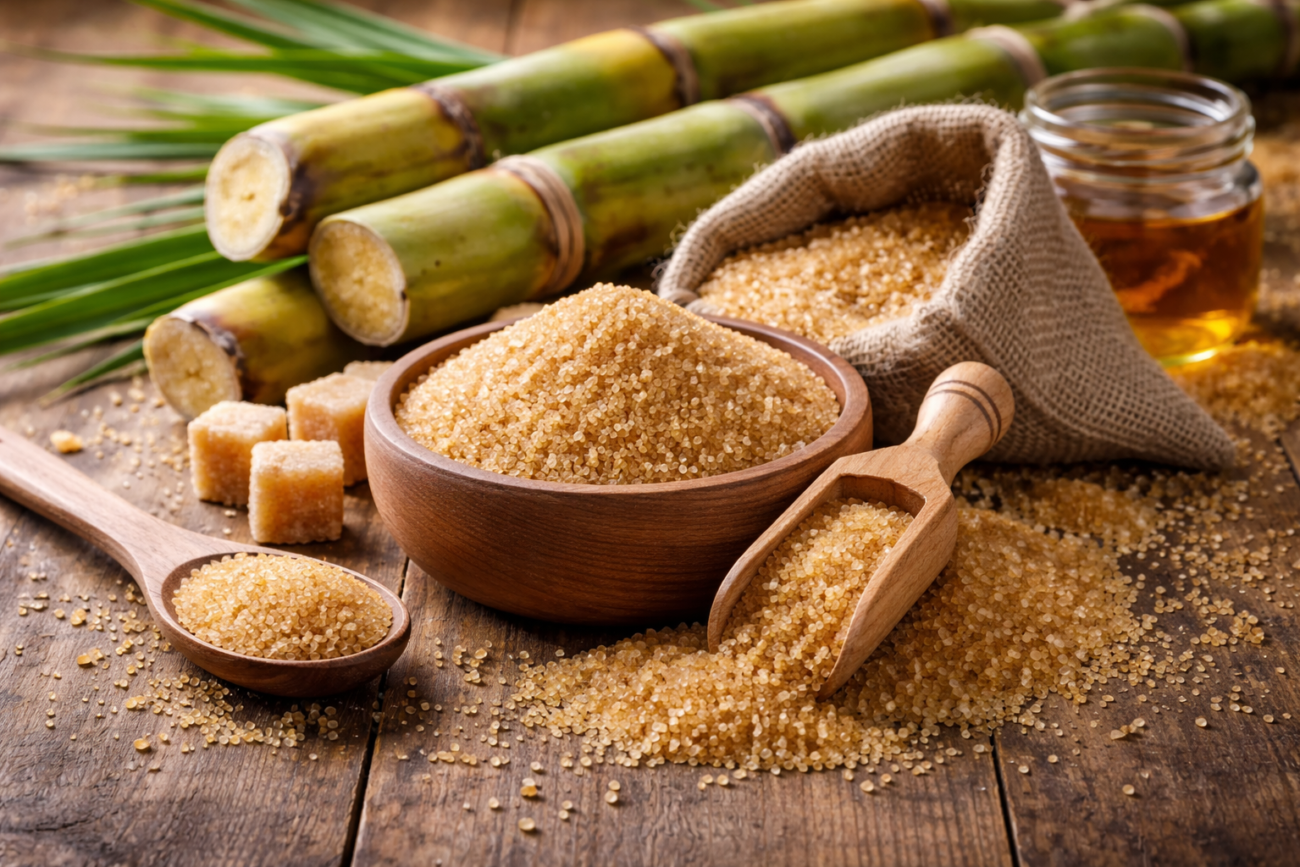
Demerara sugar stands out from other types of sugar because of its distinct appearance and taste. Unlike refined white sugar, it has large, coarse crystals that are golden to amber in color. These crystals are not only visually appealing but also provide a pleasant crunch when used as a topping.
The flavor of demerara sugar is another key feature. It carries a mild molasses or toffee-like taste, which adds depth without being overpowering. This makes it a popular choice for people who want a more natural sweetness compared to highly processed sugars.
One reason demerara sugar is considered unique is that it undergoes minimal processing. While it is not completely unrefined, it retains some of the natural molasses from sugarcane. This gives it both its color and its subtle flavor. The result is a sugar that feels closer to its natural state while still being convenient to use in everyday cooking.
How Demerara Sugar Is Produced Today
The production of demerara sugar has changed over time, but the basic process still begins with sugarcane. The cane is harvested and crushed to extract its juice, which is then heated to form crystals. These crystals are separated and dried, creating the coarse texture that demerara sugar is known for.
Today, demerara-style sugar is no longer limited to Guyana. It is produced in several countries, including Mauritius and Malawi, where similar methods are used to achieve the same look and taste. This global production helps meet the growing demand for less refined sugar options.
There are some differences between traditional and modern production methods. Historically, sugar production in the Demerara region relied on manual labor and simpler equipment. Modern techniques use advanced machinery, making the process more efficient and consistent. However, producers still aim to preserve the key qualities that define demerara sugar, such as its crystal size and natural flavor.
Culinary Uses of Demerara Sugar
In the kitchen, demerara sugar is valued for both its flavor and texture. It is commonly used to sweeten beverages like coffee and tea, where its subtle molasses notes can enhance the overall taste. Many people prefer it over white sugar for this reason.
Bakers also appreciate demerara sugar for the crunch it adds to baked goods. It is often sprinkled on top of muffins, cookies, and crumbles, creating a crisp and golden finish. This texture not only improves the appearance of desserts but also adds a satisfying bite.
Another popular use is in making simple syrups for cocktails. Drinks like the Old Fashioned benefit from the deeper flavor that demerara sugar provides. Overall, its versatility makes it a favorite among both professional chefs and home cooks who want to elevate their recipes with a more natural sweetness.
The Historical Region of Demerara in Guyana
The name demerara originates from a historical region in what is now Guyana. This area was first developed as a Dutch colony in the mid-18th century. Later, it was taken over by the British in 1814, becoming part of a larger territory known as British Guiana.
The region played an important role in the colonial economy, mainly through sugar production. Large plantations were established along the river, and the area became a key center for exporting sugar to Europe.
Over time, Demerara merged with neighboring regions such as Essequibo and Berbice. Together, they formed the foundation of modern Guyana. Today, the legacy of this region is still visible in the country’s culture, economy, and historical identity.
The Demerara River and Its Importance
The Demerara River is one of the most important natural features in Guyana. Flowing through the heart of the country, it connects inland areas to the Atlantic Ocean. The capital city, Georgetown, is located at its mouth, making the river a vital part of the nation’s development.
Historically, the river served as a major route for transporting sugar and other goods. It allowed plantations to connect with international markets, contributing to the growth of the region’s economy.
Even today, the river continues to support trade and transportation. It also plays an important role in the local environment, providing water resources and supporting various ecosystems. The Demerara River remains a key element of both the country’s history and its present-day life.
The 1823 Demerara Rebellion and Its Legacy
One of the most significant events associated with demerara is the 1823 Demerara Rebellion. This was a large uprising of enslaved people who demanded better treatment and, ultimately, freedom.
The rebellion involved thousands of individuals and highlighted the harsh conditions faced on plantations. Although it was eventually suppressed, it drew international attention to the issue of slavery.
This event played an important role in the movement toward the abolition of slavery in the British Empire. It showed the determination of those who fought for their rights and helped shift public opinion. Today, the rebellion is remembered as a powerful moment in the struggle for freedom and justice.
Other Notable Uses of the Name Demerara
Beyond sugar and history, the term demerara appears in several other contexts. One well-known example is Demerara rum, which is made from molasses produced in the region. This rum is known for its rich, dark flavor and is often used in cocktails or enjoyed on its own.
The Demerara window is another interesting reference. This style of window, designed for tropical climates, features a top-hinged shutter that allows for ventilation while keeping out rain. It reflects the practical design solutions developed in the Caribbean.
In modern times, the name is also used by institutions such as Demerara Bank in Guyana. These uses show how the term has remained relevant and continues to represent both tradition and progress.
Why Demerara Remains Relevant Today
The continued popularity of demerara sugar is one of the main reasons the term remains widely recognized. As more people look for less processed and more natural food options, demerara sugar has gained attention for its quality and flavor.
At the same time, the historical and cultural significance of the Demerara region keeps the name alive in academic and cultural discussions. It serves as a reminder of the region’s role in global trade and its impact on world history.
In modern food and lifestyle trends, demerara has found a place in specialty cooking, artisan products, and premium beverages. Its combination of tradition and versatility ensures that it continues to be relevant in both everyday life and global markets.
Conclusion
The story of demerara is much more than just sugar. It is a term that connects a unique type of sweetener with a rich history, a significant region, and a lasting cultural legacy. From its origins in Guyana to its presence in kitchens around the world, demerara continues to hold value in many different ways.
Understanding demerara means appreciating both its practical uses and its deeper historical context. Whether you encounter it in a recipe, a history book, or a conversation about global culture, it remains a meaningful and relevant part of our world today.
FAQs
1. What is demerara sugar made from?
Demerara sugar is made from sugarcane. It is partially refined and retains some natural molasses, which gives it its color and flavor.
2. Is demerara sugar healthier than white sugar?
Demerara sugar is less processed than white sugar, but it is still a form of sugar and should be consumed in moderation.
3. Why is it called demerara sugar?
The name comes from the Demerara region in Guyana, where this type of sugar was originally produced.
4. Can demerara sugar be used in baking?
Yes, it is commonly used in baking, especially as a topping for added crunch and flavor.
