Introduction
Foenegriek, also known as fenugreek, is a small but powerful plant that has been used for centuries in cooking, natural remedies, and even animal care. The seeds and leaves of this plant are valued for their rich flavor and wide range of uses. Originally grown in the Mediterranean region and parts of the Middle East, foenegriek has spread across the world and is now especially popular in Indian and North African cuisines.
Today, foenegriek is gaining renewed attention. People are rediscovering its role not only as a spice but also as a natural supplement and a supportive addition to animal diets. Its unique taste, combined with its nutritional value, makes it a versatile ingredient that fits easily into modern lifestyles.
What Is Foenegriek and Where Does It Come From
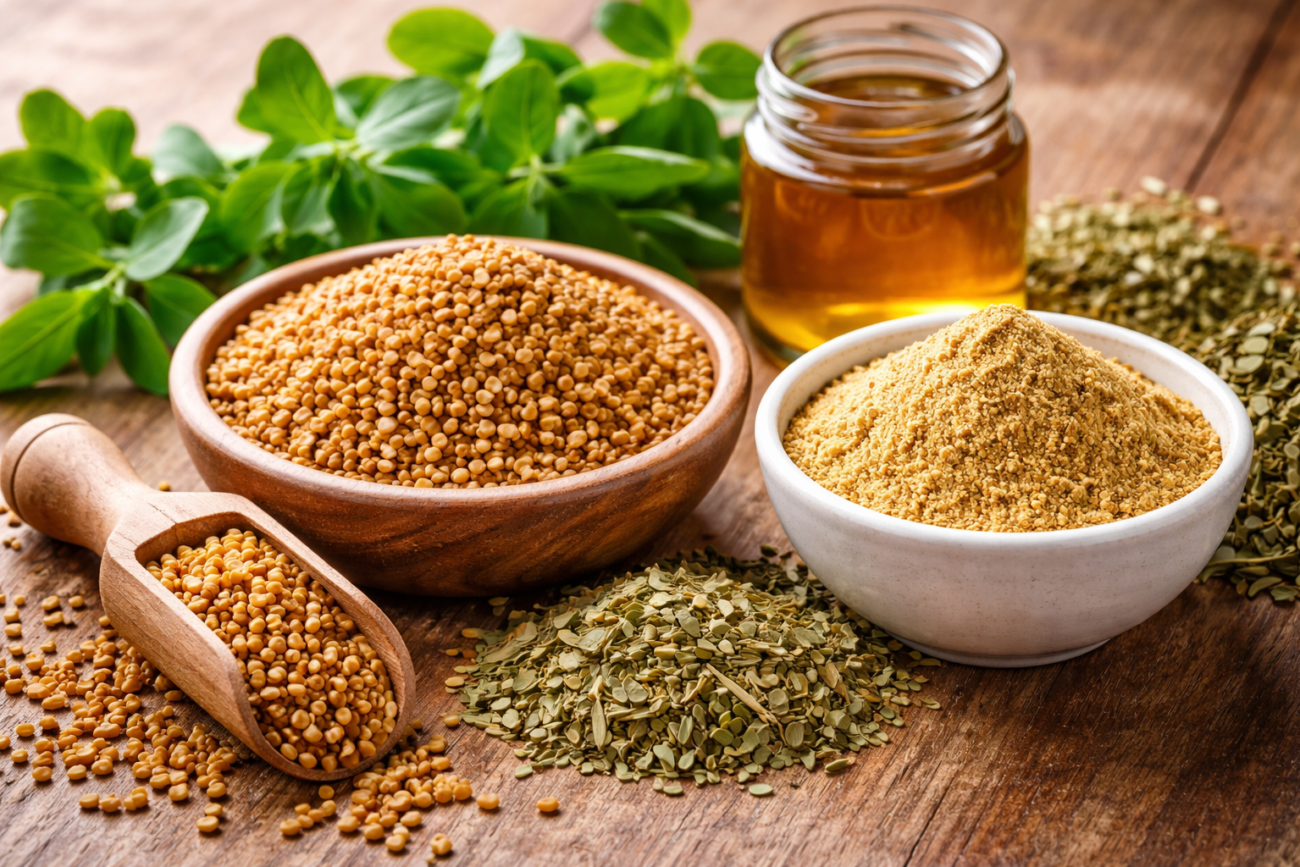
Foenegriek comes from the plant Trigonella foenum-graecum, a herb that belongs to the legume family. It produces small, golden-brown seeds that are commonly used as a spice. The plant also has green leaves, which are often dried and used in cooking.
Historically, foenegriek was cultivated in ancient Egypt, Greece, and Rome. It was used not only as food but also in traditional medicine. Over time, its cultivation spread to South Asia, where it became a key ingredient in many dishes. Today, India is one of the largest producers of foenegriek, although it is grown in many parts of the world.
The Nutritional Profile of Foenegriek
Foenegriek is valued for its natural nutritional content. The seeds contain vitamins such as A, B, C, and E, along with important minerals like iron and phosphorus. They are also a good source of fiber and plant-based compounds that support general well-being.
One of the reasons foenegriek is often used as a supplement is its balanced combination of nutrients. It contains proteins and beneficial plant compounds that may help support digestion and overall health. While it is not a replacement for a healthy diet, it can be a useful addition when used in moderation.
How Foenegriek Is Used in Everyday Cooking
In the kitchen, foenegriek is a versatile ingredient. The seeds are often used in spice blends, especially in Indian cooking. They are commonly added to curries, dals, and pickles. In North African dishes, foenegriek adds depth and warmth to stews and sauces.
The leaves, known as “Kasuri methi” when dried, are used to enhance the flavor of dishes. They bring a slightly bitter and aromatic note that balances rich ingredients. In some European countries, including the Netherlands, foenegriek is even used in cheese, giving it a distinctive taste.
To reduce bitterness, the seeds are often lightly roasted before use. This simple step brings out a more pleasant, nutty flavor and makes the spice easier to enjoy.
The Unique Taste and Aroma Explained
Foenegriek has a taste that is both complex and recognizable. It is slightly bitter, with a nutty undertone that becomes more pronounced when the seeds are heated. Some people compare its flavor to maple syrup or mild mustard.
The characteristic aroma of foenegriek comes from a natural compound called sotolon. This compound is responsible for its sweet, warm scent, which can remind people of caramel or syrup. This unique combination of bitterness and sweetness is what makes foenegriek stand out among other spices.
Different Forms of Foenegriek and When to Use Them
Foenegriek is available in several forms, each suited to different uses. Whole seeds are the most common and are often used in cooking after roasting or soaking. They release their flavor slowly and are ideal for dishes that cook over a longer period.
Ground foenegriek, or powder, is more convenient and can be added directly to sauces, soups, and spice mixes. It blends easily and provides a consistent flavor throughout the dish.
Dried leaves offer a milder taste compared to the seeds. They are often sprinkled into dishes at the end of cooking to add aroma and depth. Each form has its own role, and choosing the right one depends on the type of dish being prepared.
Foenegriek as a Natural Supplement
In addition to its culinary uses, foenegriek is widely used as a natural supplement. It is often taken in the form of capsules, powders, or teas. Many people use it to support digestion and overall wellness.
In traditional practices, foenegriek has been used to help maintain energy levels and support the body during different life stages. Today, it is commonly included in natural health products due to its nutrient content and plant compounds. However, it is important to use it responsibly and consult a professional when needed.
Benefits of Foenegriek for Animals (Especially Horses)
Foenegriek is also popular in animal nutrition, particularly for horses. It is often added to feed as a natural supplement. Many horse owners use it to support respiratory health and digestion.
Another benefit of foenegriek for animals is its effect on coat condition. Regular use can help promote a shiny and healthy-looking coat. Additionally, its pleasant taste can make feed more appealing, encouraging animals to eat more consistently.
How to Use Foenegriek Safely and Effectively
Using foenegriek correctly is important to get the best results. In cooking, small amounts are usually enough to add flavor without overpowering a dish. Roasting or soaking the seeds can help reduce bitterness and improve taste.
When used as a supplement, it is best to follow recommended guidelines or seek advice from a healthcare professional. This ensures that the amount used is safe and suitable for individual needs.
For animals, the dosage should be adjusted based on size and dietary requirements. It is always a good idea to introduce foenegriek gradually to observe how the animal responds.
Possible Side Effects and Precautions
Although foenegriek is generally safe, it may cause side effects in some cases. Consuming large amounts can lead to mild digestive discomfort, such as bloating or upset stomach.
People with certain medical conditions or those taking medication should be cautious. Pregnant individuals, in particular, should consult a healthcare provider before using foenegriek as a supplement.
How to Store Foenegriek for Maximum Freshness
Proper storage helps maintain the flavor and quality of foenegriek. Whole seeds should be kept in an airtight container in a cool, dry place away from direct sunlight. This helps preserve their aroma and taste for a longer time.
Ground foenegriek tends to lose its flavor more quickly, so it is best to store it in small quantities and use it within a reasonable period. Dried leaves should also be kept sealed to prevent moisture from affecting their quality.
Conclusion
Foenegriek is a unique and versatile ingredient that has stood the test of time. From its origins in ancient civilizations to its growing popularity today, it continues to play an important role in cooking, health, and animal care.
Its rich flavor, nutritional value, and wide range of uses make it a valuable addition to both traditional and modern lifestyles. Whether used in the kitchen, as a supplement, or in animal feed, foenegriek offers practical benefits when used thoughtfully and in moderation.
FAQs
1. What is foenegriek commonly used for?
Foenegriek is used in cooking, natural supplements, and animal feed. It is especially popular in curries, spice blends, and herbal remedies.
2. Does foenegriek have a strong taste?
Yes, foenegriek has a slightly bitter and nutty flavor, often compared to maple syrup when cooked.
3. Can foenegriek be taken daily?
Foenegriek can be used regularly in small amounts, but for supplements, it is best to follow recommended guidelines or consult a professional.
4. Is foenegriek safe for animals?
Yes, foenegriek is commonly used for animals like horses. It supports digestion, appetite, and coat health when given in appropriate amounts.
