You want a safe, stimulating place where your child begins learning social skills, emotional regulation, and early literacy — and you deserve straightforward guidance to choose that place. A nursery school gives young children structured play, teacher-led lessons, and daily routines that build the early skills they need for kindergarten and lifelong learning.
This article nursery schools breaks down what a nursery school actually does, what to look for in staff, curriculum, and environment, and how to match a program to your child’s temperament and your family’s needs. Expect clear questions to ask on tours, practical signs of quality, and tips for comparing options so you can pick a program that fits your priorities.
What Is a Nursery School?
A nursery school is an organized setting where children under five receive early learning and care. You will find programs that combine play, social interaction, and basic instruction to prepare children for formal schooling.
Definition and Purpose
A nursery school serves children typically aged two to five, offering early childhood education before compulsory primary school. You can expect daily routines that include guided play, language activities, motor-skill practice, and simple group lessons to build readiness for kindergarten.
The primary purposes include fostering social skills, supporting emotional regulation, and developing foundational cognitive abilities such as vocabulary, counting, and problem-solving. You also gain access to trained staff who assess development, communicate with families, and adapt activities to each child’s needs.
Many nursery schools balance care and learning: they provide safe supervision while intentionally teaching social routines like taking turns and following instructions. This combination reduces separation anxiety and improves classroom behavior later on.
History and Evolution
Nursery schools trace their roots to early 20th-century reformers who emphasized nurturing whole-child development. You should note influences from figures and movements in England and Europe that promoted group-based early education and play as central to learning.
Over time, nursery schools expanded from charitable and private initiatives into publicly funded programs in some regions. You’ll observe shifts toward evidence-based curricula, inclusion of early childhood specialists, and more standardized staff qualifications.
Recent evolution also reflects research on brain development and the importance of early social environments. As a result, many programs now embed intentional assessment, family engagement, and readiness measures to better support transitions to primary school.
Key Characteristics
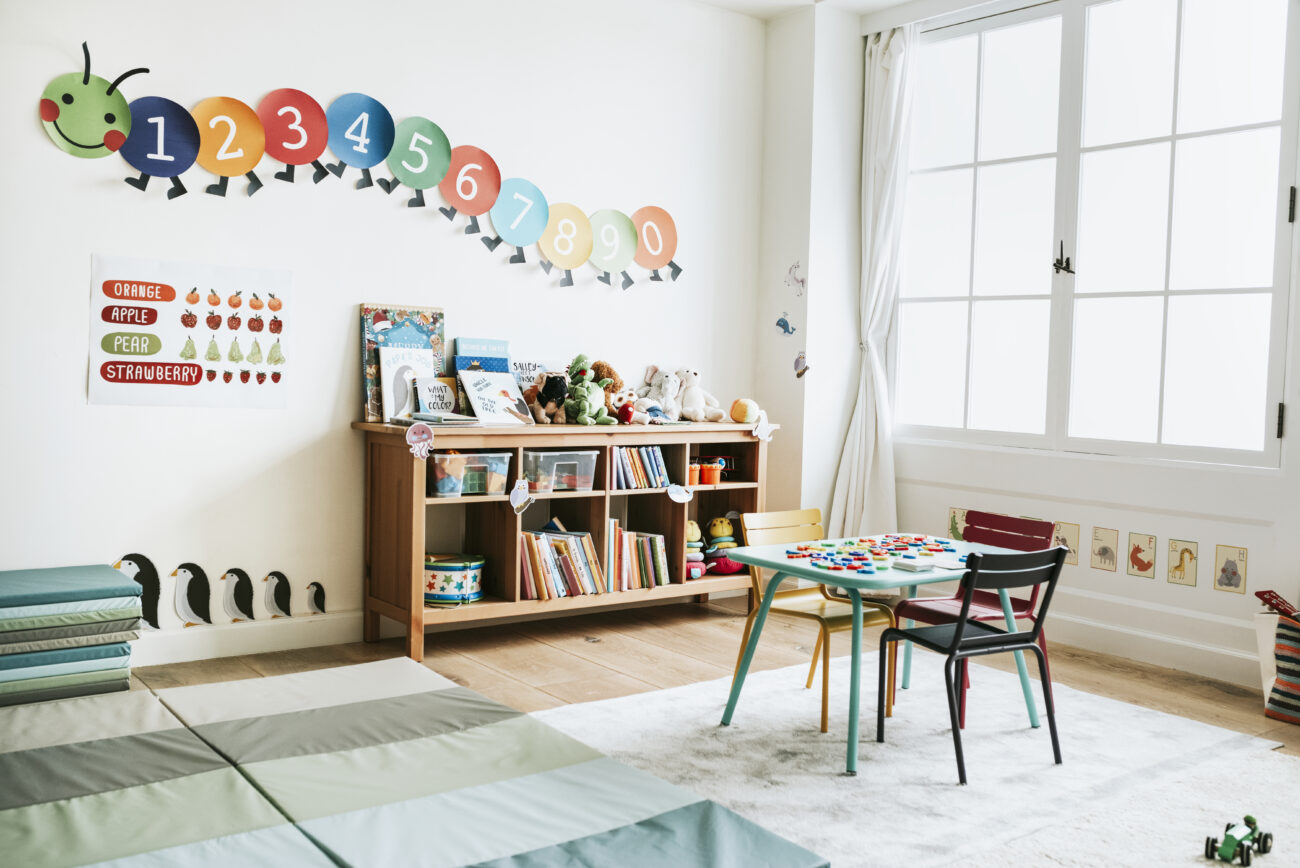
Nursery schools combine structured routines with child-led play. You’ll typically see small group sizes, age-appropriate materials, and daily schedules that alternate between free play, circle time, snack, and outdoor activity.
Staff qualifications often include early childhood education credentials or certifications in child development. You can expect staff-to-child ratios designed to ensure supervision and individual attention; these ratios vary by age and local regulations.
Environments are arranged to promote exploration: learning centers for literacy, math, art, and sensory play. Assessment practices include informal observations and developmental checklists that track language, motor, social, and cognitive milestones.
Families participate through regular communication, conferences, and sometimes volunteer opportunities. You’ll also find varied program models—half-day, full-day, public, private, and subsidized—so you can choose one that fits your schedule and budget.
Choosing the Right Nursery School
You should weigh practical logistics, learning approach, and safety when comparing nurseries. Focus on staff qualifications, daily routines, and how the setting supports your child’s independence and social skills.
Factors to Consider
Start with location, hours, and cost. Choose a nursery within a realistic commute from home or work, check whether hours match your schedule, and compare fees including deposits, meals, and extra activity charges.
Observe teacher-to-child ratios and staff turnover. Lower ratios (for example, 1:3 for infants, 1:8 for older preschoolers) let teachers give more attention. Ask how long current staff have worked there and how the nursery handles absences or substitute coverage.
Look at daily routines and transitions. A predictable schedule that balances play, rest, and meals helps children feel secure. Visit at drop-off and pick-up to see how staff greet children and manage handovers.
Talk to other parents and read recent inspection reports. Ask for references and scan official ratings or inspection summaries for compliance issues or recurring concerns.
Curriculum and Learning Approaches
Decide which educational philosophy suits your child’s temperament. Play-based settings emphasize exploration and social skills, Montessori promotes self-directed learning with specific materials, and structured programs focus on early literacy and numeracy.
Ask for sample weekly plans and examples of individual learning goals. Good nurseries document progress with observations and portfolios rather than only using generic checklists. Make sure learning goals are age-appropriate and tailored to each child.
Check how the nursery supports language, motor, and social-emotional development. Look for activities like small-group story time, fine-motor crafts, outdoor gross-motor play, and routines that teach sharing and conflict resolution.
Inquire about special needs support and language provision. If your child needs extra help or you want bilingual exposure, confirm staff training, specialist access, and how the setting adapts activities to include every child.
Accreditation and Safety Standards
Verify licensing and accreditation status. Ask for the nursery’s registration number, recent inspection reports, and any accreditation from recognized early-years organizations.
Review health, safety, and emergency procedures. Confirm staff first-aid certification, medication policies, safe sleep practices for infants, and the frequency of fire drills. Check that outdoor play areas meet safety standards and that gates and access points are secure.
Examine staff vetting and safeguarding practices. Ensure the nursery conducts background checks, has a named safeguarding lead, and provides clear written procedures for reporting concerns.
Request written policies on illness, immunization, and child protection. Having clear, accessible policies and up-to-date documentation shows the nursery prioritizes safety and compliance.
