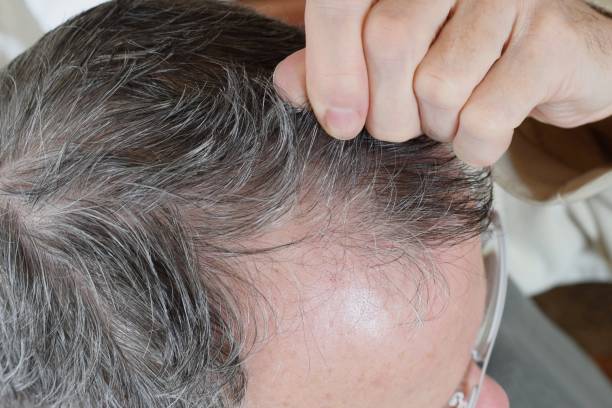
You might notice OCD and hair pulling alongside obsessive thoughts or rituals, and that connection matters for how you understand and treat it. Trichotillomania can stand alone or appear with OCD, and knowing which applies to your experience shapes the path forward.
If you struggle with urges to pull hair, recognizing whether those urges come from obsessive-compulsive patterns or a separate impulse-related drive helps you get the right treatment faster. This article explains how the two conditions overlap, what signs point toward each, and practical treatment and management strategies you can pursue.
Understanding the Connection Between OCD and Hair Pulling
You will learn how obsessive thoughts and repetitive behaviors differ, what hair-pulling disorder looks like, and where the two conditions overlap in symptoms, causes, and treatment implications.
Defining Obsessive-Compulsive Disorder
OCD involves recurring obsessions—intrusive, unwanted thoughts, images, or urges—that cause anxiety or distress. You typically perform compulsions, which are repetitive behaviors or mental acts, to reduce that anxiety; these behaviors are time-consuming or interfere with daily life.
Diagnosis depends on the presence of both obsessions and compulsions and on the degree they impair your functioning. Common compulsions include checking, washing, counting, and mental rituals. Treatments that reduce symptoms include cognitive-behavioral therapy with exposure and response prevention (ERP) and selective serotonin reuptake inhibitors (SSRIs).
What Is Trichotillomania?
Trichotillomania (hair-pulling disorder) causes recurrent urges to pull out hair from the scalp, eyelashes, eyebrows, or other areas, producing hair loss and distress. Pulling can be automatic (performed without awareness) or focused (driven by tension, urges, or sensory needs), and many people report pleasure or relief during pulling episodes.
You might also engage in hair manipulation rituals—twirling, examining, or ingesting pulled hair. Habit-reversal training (HRT), particularly with competing-response techniques, and therapies targeting sensory and emotional triggers are frontline treatments. Medications show mixed results and are considered on a case-by-case basis.
How OCD and Hair Pulling Are Related
Both disorders feature repetitive behaviors and can co-occur, but their underlying drivers often differ. In OCD, behaviors respond to intrusive thoughts or fears (e.g., contamination). In trichotillomania, pulling frequently arises from sensory gratification, tension relief, or automatic habits rather than a goal of neutralizing a specific obsession.
Shared elements include:
- Overlap in neurobiology: dysregulation in cortico-striatal circuits implicated in habit formation.
- Comorbidity: a subset of people with OCD also meet criteria for trichotillomania, complicating treatment choices.
- Treatment implications: ERP protocols for OCD differ from HRT used for hair pulling; you may need combined or tailored approaches when both are present.
If your symptoms include both intrusive thoughts that drive rituals and pleasurable or automatic hair pulling, clinicians often assess which behavior is primary to guide therapy selection.
Treatment and Management Strategies
You can reduce hair pulling and manage OCD features with targeted therapies, selective medications, and daily habits that change triggers and responses. Each approach has specific techniques you can start using immediately or discuss with your clinician.
Cognitive Behavioral Therapy
Cognitive Behavioral Therapy (CBT) for hair pulling often centers on Habit Reversal Training (HRT) and stimulus control. HRT teaches you to recognize urges and implement a competing response—a movement or behavior incompatible with pulling—until the urge passes. You also track triggers and high-risk situations to anticipate episodes.
CBT techniques address thoughts and emotions linked to pulling. You practice exposure and response prevention (ERP) for OCD-like rituals and cognitive restructuring to challenge beliefs that maintain pulling. Sessions are usually weekly for several months; homework and self-monitoring improve outcomes.
Medication Options
Medication can help when behavioral strategies alone don’t control symptoms. Selective serotonin reuptake inhibitors (SSRIs) like fluoxetine or sertraline are commonly used when OCD symptoms dominate. They may reduce intrusive thoughts that drive rituals.
For primary trichotillomania, atypical options such as N-acetylcysteine (an amino acid supplement) or low-dose antipsychotics have shown benefit in some studies. Discuss risks, side effects, and monitoring with your prescriber. Medication works best combined with therapy rather than as a sole treatment.
Self-Help and Lifestyle Approaches
You can lower pulling by modifying your environment and routines. Use barrier methods (gloves, fidget tools, bandages) and rearrange activities that trigger pulling—replace passive screen time with hands-on tasks. Keep a short, private log of urges to spot patterns.
Practice stress-reduction strategies: brief mindfulness exercises, scheduled relaxation breaks, regular sleep, and exercise. Join a support group or an online community for accountability and practical tips. Small, consistent changes often make therapy and medication more effective.
