Introduction
Garage door cable replacement is an important maintenance task that many homeowners overlook until a problem appears. Garage doors are heavy systems that rely on several moving parts working together smoothly. Among these parts, the cables play a crucial role in lifting and lowering the door safely.
Garage door cables are designed to handle the door’s weight and work alongside the spring system. Each time the door opens or closes, the cables help guide and support the movement. Because of this constant tension and daily use, cables naturally wear down over time.
When cables become damaged or worn, the entire garage door system can become unsafe. A frayed or broken cable can cause the door to move unevenly, become stuck, or even fall suddenly. This is why replacing damaged cables at the right time is essential for both safety and proper operation.
In most homes, garage door cables last several years, but they are not permanent components. Regular inspection and timely replacement can prevent unexpected breakdowns and expensive repairs.
Understanding the Role of Garage Door Cables
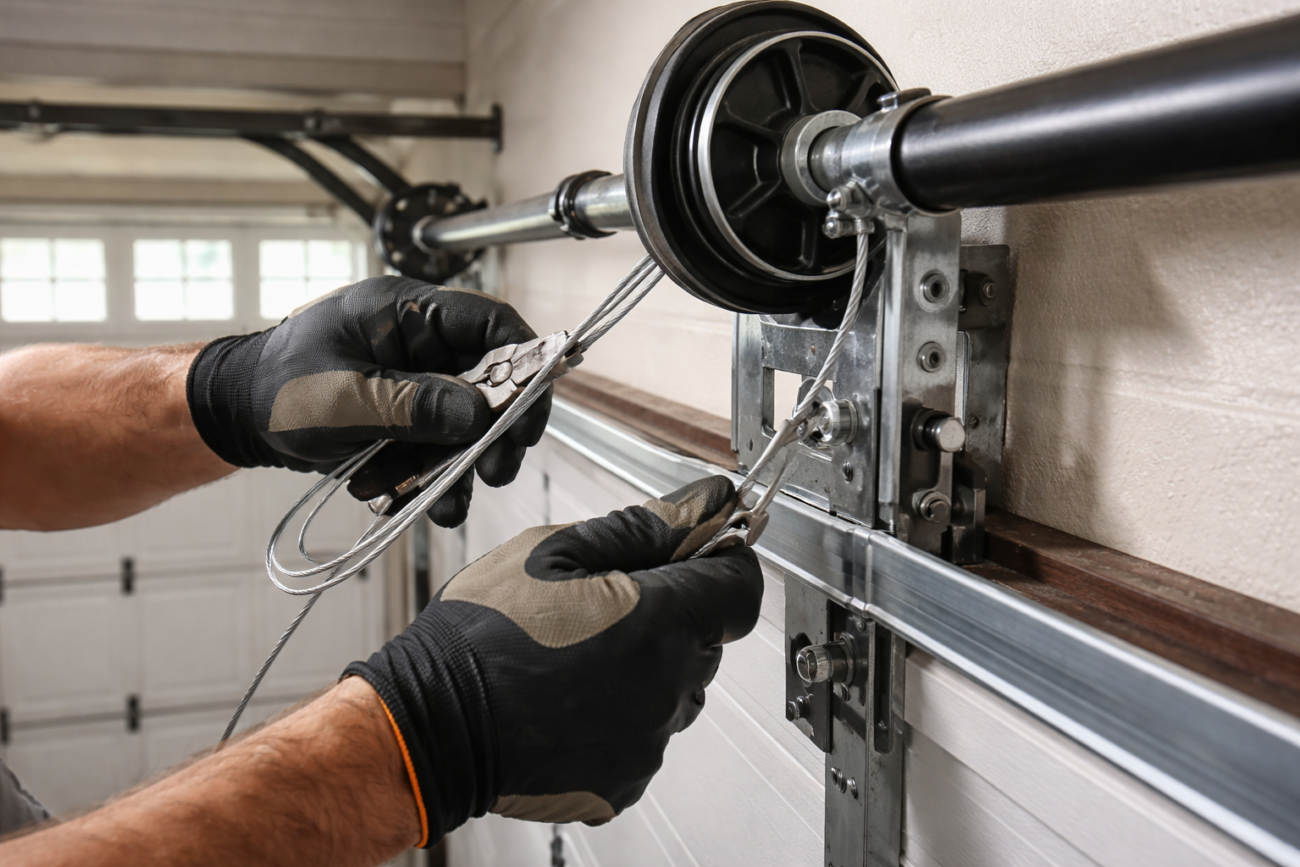
Garage door cables are strong steel wires that help lift and lower the garage door safely. They are part of the door’s lifting system and work together with springs and drums to control the door’s movement.
When you open your garage door, the springs create tension that helps lift the heavy door. The cables connect this spring tension to the bottom of the door, allowing it to rise smoothly along the tracks. As the door moves, the cables wrap and unwrap around metal drums located near the top of the door frame.
Because garage doors can weigh anywhere from 100 to over 300 pounds, the cables must support a significant amount of force. They carry heavy tension every time the door moves, which is why they are made from durable braided steel strands.
Most garage doors use lift cables, which connect the bottom bracket of the door to the drum near the spring system. These cables are specifically designed to handle the door’s lifting force. They differ from other garage door components such as springs, rollers, and tracks, which guide movement but do not directly carry the door’s weight in the same way.
Without properly functioning cables, the door cannot lift evenly or safely. Even a small cable issue can quickly affect the balance of the entire system.
Common Signs Your Garage Door Cables Need Replacement
Garage door cables rarely break without warning. In most cases, there are clear signs that indicate a problem is developing. Recognizing these early warning signs can help you avoid sudden door failure.
One of the most noticeable signs is visible damage on the cable. Over time, steel strands may begin to fray, rust, or develop small kinks. Even minor damage can weaken the cable and increase the risk of breakage.
Another common sign is uneven door movement. If the garage door appears crooked when opening or closing, a cable may be wearing out or slipping off the drum. This imbalance can place extra stress on other parts of the system.
Unusual noises are also a warning sign. Loud popping, snapping, or grinding sounds often occur when a cable begins to fail or when tension becomes uneven.
Sometimes cables appear loose when the door is closed, or they may slip partially off the drum. This can cause the door to move unpredictably or become stuck.
If the garage door suddenly becomes difficult to open or close, it may indicate that a cable is weakening. Continuing to use the door in this condition can worsen the damage and create safety hazards.
How Long Garage Door Cables Typically Last
Garage door cables are durable, but they are not designed to last forever. In most residential garage doors, cables typically last between seven and ten years. However, the exact lifespan depends on several factors.
One of the biggest factors is how often the garage door is used. A door that opens and closes multiple times every day will put more stress on the cables than a door that is used occasionally.
Climate conditions also play a role. Areas with high humidity or frequent rain can cause cables to rust more quickly. Temperature changes may also affect metal components over time.
Maintenance habits can influence cable lifespan as well. Regular inspections and proper care help identify small problems before they turn into major issues.
Because cables operate under constant tension, they gradually weaken with each opening and closing cycle. Even if they appear strong from the outside, internal wear can develop after years of use. This is why proactive garage door cable replacement is sometimes recommended before a failure occurs.
What Causes Garage Door Cables to Wear Out
Several factors contribute to cable wear over time. The most common cause is simply the daily stress placed on the cables as the garage door operates.
Each time the door opens or closes, the cables stretch slightly under tension. After thousands of cycles, this repeated stress can weaken the steel strands.
Environmental conditions can also accelerate wear. Moisture, dust, and road salt can cause corrosion on metal cables. Rust weakens the steel and increases the risk of fraying or snapping.
Another common cause is poor maintenance. When garage doors are not inspected regularly, small problems may go unnoticed. Damaged rollers, misaligned tracks, or worn springs can place extra pressure on the cables.
If the door becomes unbalanced or certain components are damaged, the cables may carry uneven weight. This added strain can shorten their lifespan significantly.
Garage Door Cable Replacement Process Explained
The process usually begins by disconnecting the garage door opener and securing the door in place. This prevents the door from moving while work is being performed.
Next, the spring tension must be released safely. This step requires specialized tools called winding bars, which allow technicians to slowly unwind the springs without sudden force.
Once the tension is released, the old cable can be removed from the drum and detached from the bottom bracket of the door. The damaged cable is then replaced with a new one designed for the specific garage door system.
The new cable is carefully routed through the correct path and attached to the drum and bracket. After installation, the springs are re-tensioned to restore proper balance.
Finally, the door is tested to ensure smooth movement and proper alignment. The technician checks that both cables carry equal tension so the door opens and closes evenly.
Safety Risks Involved in Garage Door Cable Replacement
Torsion and extension springs store a large amount of energy. If this tension is released suddenly or handled incorrectly, it can cause serious injuries.
Improper tools or incorrect techniques can lead to accidents. For example, winding springs without the correct equipment can cause tools to slip or components to snap.
Another risk is sudden door collapse. If a cable breaks while the door is open, the door can fall quickly because the system loses its support.
For these reasons, many experts recommend professional repair when dealing with cables and springs. Trained technicians understand how to safely release tension and replace components without damaging the door or risking injury.
Garage Door Cable Replacement Cost Breakdown
The cost of garage door cable replacement can vary depending on several factors, including the type of door, the complexity of the repair, and labor charges in your area.
In most cases, professional garage door cable replacement costs between $150 and $350. This price usually includes both the replacement cables and the labor required to install them.
Emergency repairs or after-hours service may increase the price. In some situations, urgent repairs can cost up to $500 depending on availability and travel time.
For homeowners who attempt DIY repairs, the cost of replacement cables is much lower. A pair of new cables typically costs between $15 and $50. However, the lower parts cost does not eliminate the safety risks involved.
Should You Replace Garage Door Cables Yourself or Hire a Professional
Some homeowners consider replacing garage door cables themselves to save money. While it may be possible for experienced individuals, it is not always the safest option.
DIY replacement requires specific tools, knowledge of spring systems, and an understanding of how garage door components interact. Without these skills, the process can be risky.
Professional garage door technicians have the training and equipment needed to complete the repair safely. They also ensure that the door remains properly balanced and aligned after installation.
Hiring a professional can provide peace of mind and reduce the risk of injury or further damage to the door system. In many cases, the added safety and reliability make professional repair a worthwhile investment.
Tips to Extend the Life of Your Garage Door Cables
Annual inspections are one of the best ways to identify early signs of wear. Checking the cables for fraying, rust, or loose strands allows you to address issues before they worsen.
Keeping cables clean and dry can also help prevent corrosion. Dirt and moisture can accelerate rust, especially in humid climates.
Lubricating other garage door components, such as rollers and hinges, helps reduce strain on the cables. When the system moves smoothly, cables experience less stress.
It is also important to address garage door problems quickly. Misaligned tracks, worn springs, or damaged rollers can place extra tension on the cables, leading to faster wear.
Conclusion
Garage door cable replacement is an essential part of maintaining a safe and functional garage door system. These cables support the door’s weight and work closely with springs and other components to ensure smooth operation.
Over time, cables experience wear from daily use, environmental conditions, and constant tension. Recognizing warning signs such as fraying, uneven movement, or unusual noises can help prevent sudden failures.
While replacement cables themselves are relatively affordable, the process involves safety risks due to the high tension of the spring system. For many homeowners, professional repair is the safest and most reliable option.
By inspecting your garage door regularly and addressing small problems early, you can extend the life of your cables and keep your garage door operating safely for years to come.
FAQs
1. How do I know if my garage door cable is broken?
A broken cable often causes the garage door to become crooked, stuck, or unable to open properly. You may also notice a loose cable hanging near the door or hear a loud snapping sound.
2. How much does garage door cable replacement cost?
Professional garage door cable replacement usually costs between $150 and $350, depending on labor and location. Emergency repairs may cost more.
3. Can I open my garage door if the cable is broken?
It is not recommended. Opening the door with a broken cable can cause the door to become unbalanced or fall suddenly, which may lead to injury or further damage.
4. Do both garage door cables need to be replaced at the same time?
Yes, in most cases both cables are replaced together. This ensures balanced tension and helps prevent uneven door movement.
