Introduction
In Sweden, the word bjudlunch describes a simple but meaningful social practice inviting someone to lunch and paying for their meal. The Swedish word “bjuda” means “to treat” or “to invite,” and “lunch” refers to the midday meal. When someone offers a bjudlunch, they are essentially saying, “Let me treat you to lunch.”
While this may sound like a small gesture, the idea behind bjudlunch goes much deeper. In Swedish culture, sharing a meal is often seen as a way to build trust, create personal connections, and open the door to future collaboration. Instead of formal meetings or long business presentations, people often choose a relaxed lunch setting to talk, exchange ideas, or simply get to know each other better.
Today, the concept of bjudlunch is gaining attention beyond Sweden because it reflects a modern approach to networking and leadership. In a time when professional relationships are increasingly important, inviting someone for lunch provides a natural and friendly way to communicate. It removes pressure, encourages open conversation, and helps people connect on a human level.
The Meaning and Cultural Roots of Bjudlunch in Sweden
The idea of bjudlunch is closely connected to Swedish culture and social values. Sweden has a long tradition of building relationships through informal interactions rather than overly formal gatherings. Sharing a meal has always been a natural way to spend time together, whether among family members, colleagues, or new acquaintances.
Historically, Swedish society has placed strong importance on fairness, respect, and mutual understanding. Offering to pay for someone’s lunch is not meant to show status or wealth. Instead, it is a friendly gesture that signals appreciation and hospitality.
In everyday life, Swedes often prefer balanced and equal relationships. The concept of bjudlunch fits well with this mindset because it creates a relaxed situation where both people can speak openly. It turns a normal lunch into an opportunity to strengthen a connection without making the moment feel overly formal.
How Bjudlunch Became a Social and Professional Networking Tool
Over time, bjudlunch has become more than just a social tradition. It has also evolved into a useful way to build professional relationships. In many workplaces across Sweden, people prefer informal discussions rather than strict meeting rooms or long email exchanges.
Lunch offers the perfect setting for these conversations. During a bjudlunch, people can discuss ideas, projects, or opportunities in a calm environment. Because the atmosphere is relaxed, participants often feel more comfortable sharing their thoughts and perspectives.
For entrepreneurs, freelancers, and business leaders, this tradition can be especially valuable. Instead of scheduling a formal business meeting, they may invite a colleague or potential partner for lunch. This approach makes conversations feel more natural and often leads to stronger professional connections.
The Role of Bjudlunch in Swedish Workplace Culture
In Swedish workplace culture, communication and collaboration are highly valued. Many companies encourage open dialogue between employees and managers. A bjudlunch can support this environment by creating opportunities for informal conversations outside the office.
Managers sometimes invite team members to lunch as a way to connect on a personal level. These meetings can help employees feel heard and appreciated. It also allows leaders to better understand the ideas, challenges, or ambitions of their teams.
Because Swedish workplaces tend to focus on equality and teamwork, bjudlunch often feels less like a formal business event and more like a friendly conversation. This approach helps build trust and strengthens relationships within the organization.
When and Why People Invite Others to a Bjudlunch
People invite others to a bjudlunch for many different reasons. Sometimes it is simply a way to thank someone for their help or advice. Other times, it is an opportunity to discuss a project or explore a possible partnership.
In professional life, it can be a helpful way to meet a new contact or mentor. Instead of asking for a formal meeting, inviting someone to lunch makes the conversation feel less demanding.
Socially, bjudlunch can also be a way to maintain friendships or reconnect with someone after a long time. The shared meal provides a relaxed space where people can talk, listen, and catch up without distractions.
Typical Settings for a Bjudlunch: From Casual Cafés to Business Lunches
A bjudlunch can take place in many different locations. In most cases, the setting is simple and comfortable rather than formal or luxurious. Many people choose small restaurants, cafés, or casual lunch spots where conversation can flow easily.
In cities like Stockholm, Gothenburg, or Malmö, lunchtime cafés are popular places for this type of meeting. These spaces offer a relaxed atmosphere that encourages natural conversation.
Sometimes the lunch may even happen at the workplace, especially if someone brings homemade food or a shared meal. In every case, the focus is not on the location but on the opportunity to connect and talk.
Common Foods Served During a Bjudlunch
The food served during a bjudlunch is usually simple and practical. Swedish lunch culture often includes fresh, balanced meals that are easy to prepare and enjoy during a workday.
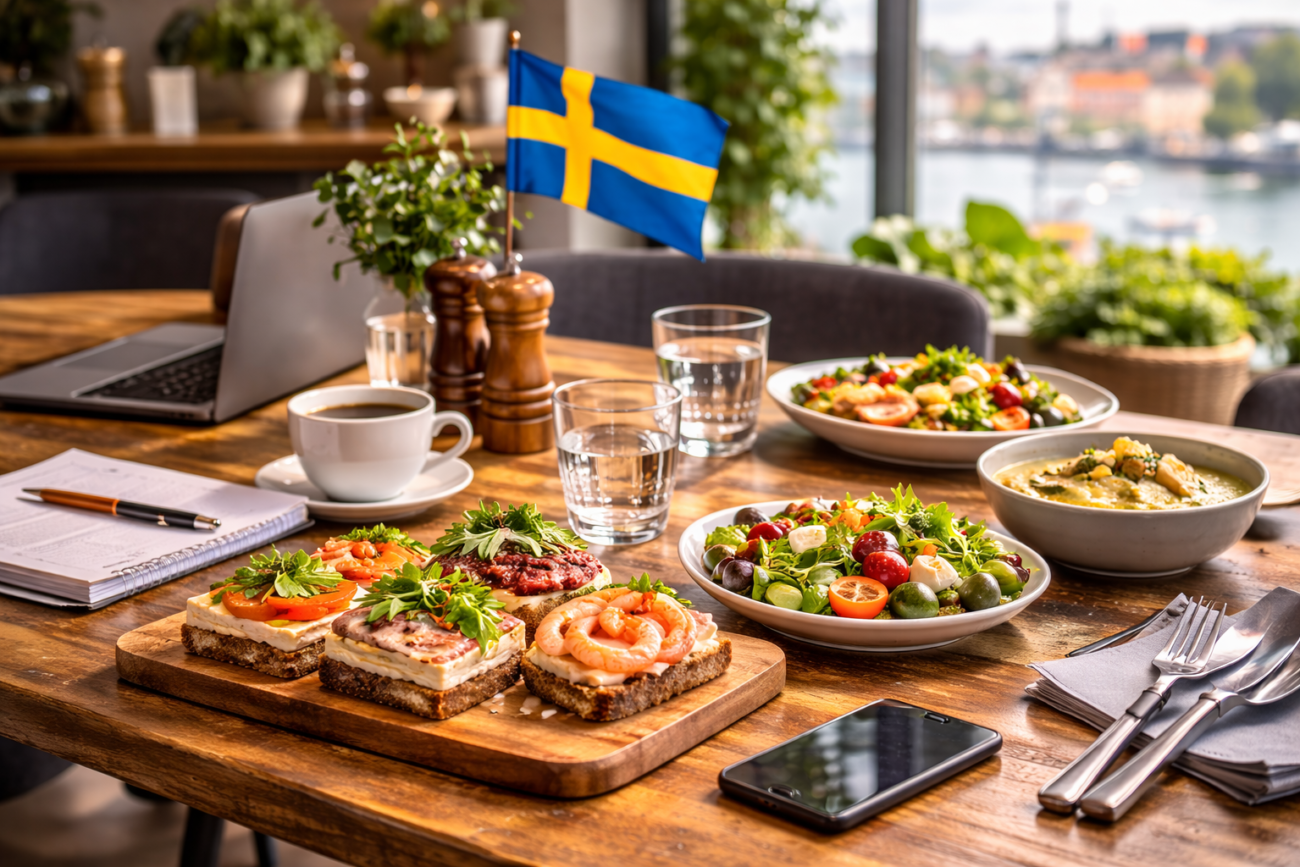
Typical options may include open-faced sandwiches, warm soups, or light salads. These meals are satisfying without being too heavy, which helps people stay focused and comfortable during the conversation.
In Sweden, many lunch restaurants also offer daily lunch specials. These meals are designed for quick and affordable lunches, making them a common choice for a bjudlunch.
Simple and Popular Bjudlunch Meal Ideas
If someone decides to host a bjudlunch at home or bring food to share, the meal is usually straightforward. Swedish cuisine often focuses on fresh ingredients and simple preparation.
Dishes such as omelettes with vegetables, hearty vegetable soups, or rye bread sandwiches are popular choices. Light salads made with grains, cheese, or fresh vegetables can also work well for a midday meal.
The goal is not to impress with complicated recipes but to create a comfortable moment where everyone can enjoy the food and conversation.
Etiquette and Social Expectations Around Bjudlunch
Although bjudlunch is a casual tradition, there are still a few social expectations that people generally follow. The person who invites the other is usually the one who pays for the meal. This is considered a polite gesture and part of the invitation.
However, the atmosphere remains friendly and respectful. The guest often expresses appreciation, but there is rarely pressure to return the favor immediately.
The conversation during a bjudlunch usually remains balanced between professional topics and casual discussion. This mix helps build a genuine connection rather than focusing only on business.
The Importance of Reciprocity Without Obligation
One interesting aspect of bjudlunch is the idea of reciprocity. While the host pays for the meal, there is usually no expectation that the other person must immediately return the gesture.
In many cases, the guest may later invite the host to lunch in return, but this happens naturally over time. The key point is that the invitation is given freely, without pressure.
How Bjudlunch Reflects Swedish Values of Equality and Trust
The tradition of bjudlunch reflects many of the values that are important in Swedish society. Sweden is known for its emphasis on equality, openness, and trust. These ideas are visible even in everyday activities like sharing a meal.
When someone invites another person for lunch, it creates a moment where both individuals can communicate honestly. The relaxed setting encourages mutual respect and understanding.
Bjudlunch in Modern Professional Networking and Leadership
In recent years, bjudlunch has become a useful tool for modern networking and leadership. Many professionals prefer informal conversations when exploring new ideas or partnerships.
For business leaders, inviting employees or mentors to lunch can create stronger connections within the workplace. It allows leaders to show appreciation and listen to new perspectives.
Entrepreneurs also use bjudlunch to build relationships with clients or collaborators. Because the environment is relaxed, discussions often become more productive and meaningful.
How to Host a Successful Bjudlunch
Hosting a successful bjudlunch does not require complicated planning. The most important factor is creating a comfortable and welcoming environment.
Choosing a quiet place where conversation is easy can make a big difference. It is also helpful to keep the tone relaxed rather than overly formal.
The goal is to make the other person feel appreciated and comfortable. When the focus remains on genuine conversation and connection, the lunch naturally becomes a positive experience.
Conclusion
The Swedish tradition of bjudlunch shows how a simple meal can become a powerful way to build relationships. By inviting someone to lunch and paying for the meal, people create an opportunity for open conversation, trust, and mutual respect.
In both social and professional life, this practice encourages meaningful connections without the pressure of formal meetings. It allows people to exchange ideas, strengthen friendships, and develop long-term partnerships.
As more professionals around the world look for natural ways to network and collaborate, the concept of bjudlunch continues to offer a valuable lesson. Sometimes, the most effective way to connect with someone is simply to share a meal and talk.
FAQs
1. What does the Swedish word bjudlunch mean?
Bjudlunch refers to the act of inviting someone to lunch and paying for their meal as a friendly or professional gesture.
2. Is bjudlunch mainly used for business meetings?
No. While it is common in professional settings, bjudlunch can also happen between friends, colleagues, or mentors as a way to connect socially.
3. Do people have to return the favor after a bjudlunch?
There is usually no obligation to return the favor immediately. Reciprocity often happens naturally over time.
4. What kind of food is typically served during a bjudlunch?
Meals are usually simple and practical, such as soups, salads, sandwiches, or light Swedish lunch dishes that are easy to enjoy during conversation.
