Introduction
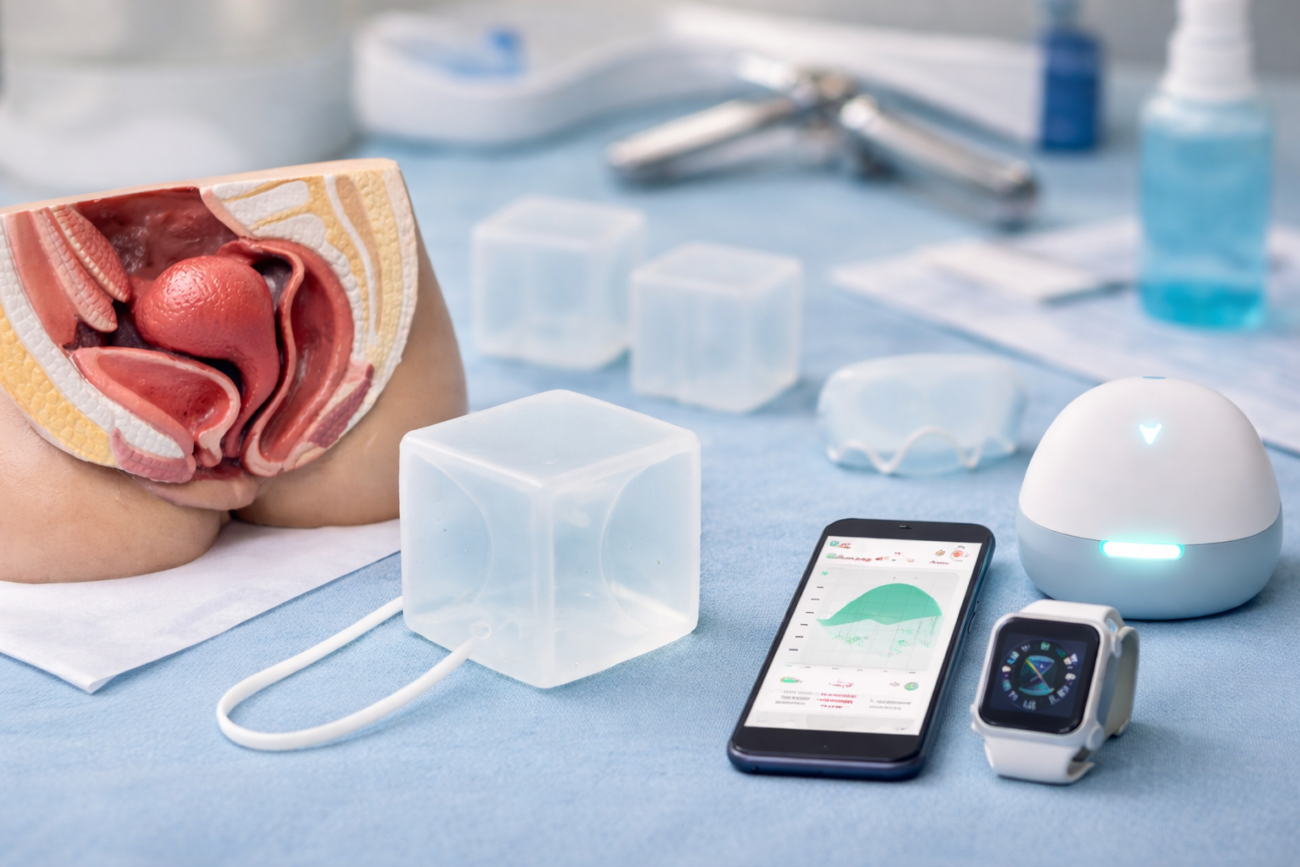
In recent years, the term GyneCube has started appearing more frequently in discussions about women’s health. Many people searching for this term are looking for information about a medical device used to support pelvic health. At the same time, newer discussions also mention GyneCube as part of an emerging digital health concept related to reproductive monitoring. Because of this, the keyword “gynecube” now refers to two different developments in women’s healthcare.
The first and most widely recognized meaning of GyneCube is a cube pessary, a small medical device placed in the vagina to help support pelvic organs. It is commonly used as a non-surgical treatment for pelvic floor problems, especially when organs such as the bladder or uterus shift out of their normal position. This device offers a practical solution for women who want relief from symptoms without undergoing surgery.
More recently, the term GyneCube has also been associated with digital reproductive health technology. In this context, it refers to a concept that combines sensors, apps, and data analysis to help women monitor their menstrual cycles, fertility patterns, and hormonal changes.
The growing interest in GyneCube reflects a broader shift in healthcare toward more personalized and accessible solutions. Women today are looking for ways to manage their health with greater comfort and control, whether through supportive medical devices or smart health technologies.
What Is GyneCube?
GyneCube generally refers to a cube-shaped pessary designed to support pelvic organs inside the body. It is made from soft medical-grade silicone and is used by women who experience pelvic floor weakness or organ prolapse.
The device works by sitting inside the vagina and providing gentle support to organs that may have shifted downward. Unlike surgery, which permanently alters tissues, a pessary offers a reversible and adjustable treatment option. This makes it a popular choice for women who prefer conservative treatment or who cannot undergo surgery.
The cube design of GyneCube is particularly important. Its sides create a mild suction effect against the vaginal walls, helping the device stay in place throughout the day. Because of this feature, it can provide strong support even in cases where other pessary shapes may not work well.
The GyneCube Cube Pessary: A Non-Surgical Solution for Pelvic Floor Support
Pelvic floor problems are more common than many people realize. They often occur when the muscles and tissues that support the bladder, uterus, or rectum become weakened. This may happen due to pregnancy, childbirth, aging, or hormonal changes.
The GyneCube cube pessary offers a non-surgical way to manage these conditions. Instead of relying on invasive procedures, the device provides internal support that helps restore the normal position of pelvic organs.
Many doctors recommend pessaries like GyneCube as a first step before considering surgery. In some cases, women may use the device for long-term management. Others may use it temporarily while waiting for surgery or while strengthening their pelvic floor through exercises.
Because the device is removable and reusable, it gives women flexibility in managing their symptoms while maintaining an active lifestyle.
Medical Conditions GyneCube Is Designed to Help Manage
Pelvic organ prolapse occurs when organs such as the bladder, uterus, or rectum shift downward due to weakened pelvic muscles. This can create a feeling of pressure, heaviness, or a bulge in the vaginal area.
Stress urinary incontinence is another condition where women may leak urine during activities like coughing, laughing, running, or exercising. By supporting the pelvic organs and surrounding tissues, a pessary can help reduce these symptoms.
For many women, using GyneCube can significantly improve comfort during daily activities. It allows them to continue working, exercising, and participating in social life without constant worry about symptoms.
How the GyneCube Pessary Works Inside the Body
The GyneCube pessary works by providing mechanical support to the pelvic organs. Once inserted into the vagina, the cube shape gently presses against the vaginal walls.
The concave sides of the cube create a light suction effect that helps the device stay securely in place. This design allows the pessary to remain stable even during movement, exercise, or long periods of standing.
By supporting the vaginal walls and surrounding tissues, the device helps lift organs back toward their normal position. As a result, symptoms such as pressure, discomfort, and urinary leakage may improve.
Key Design Features That Make GyneCube Different From Traditional Pessaries
Unlike ring-shaped pessaries, which rely mainly on structural support, the cube design creates suction against the vaginal walls. This allows the device to stay in place more securely, especially in cases of moderate or advanced prolapse.
Another helpful feature is the removal cord attached to the device. This small silicone cord allows women to easily remove the pessary when needed. Because of this design, many users are able to manage the device independently without frequent clinical visits.
The material used is also important. GyneCube is typically made from medical-grade silicone, which is soft, flexible, and latex-free. This reduces the risk of irritation or allergic reactions.
GyneCube Sizes and How Doctors Determine the Right Fit
GyneCube pessaries are available in several sizes to accommodate different body shapes and medical needs. Choosing the correct size is essential for both comfort and effectiveness.
Doctors or pelvic health specialists usually perform a fitting process during a clinic visit. They may try different sizes to determine which one provides the right level of support without causing discomfort.
A properly fitted GyneCube should stay in place during movement but should not create pain or pressure. Once the correct size is identified, many women are able to manage the device at home with occasional follow-up visits.
How to Insert, Remove, and Care for a GyneCube Pessary
Many women are surprised to learn that they can manage a GyneCube pessary themselves. After receiving instructions from a healthcare provider, most users can insert and remove the device comfortably.
Typically, the pessary is inserted in the morning and removed at night for cleaning. This daily routine helps maintain hygiene and reduces the risk of irritation.
Cleaning usually involves washing the device with mild soap and warm water before allowing it to dry completely. Proper care ensures that the pessary remains safe and comfortable for regular use.
Regular medical checkups are still recommended to ensure that the device continues to fit properly and that the vaginal tissues remain healthy.
Who May Benefit Most From Using GyneCube
GyneCube can be beneficial for a wide range of women experiencing pelvic floor issues. It may be particularly helpful for women who want to avoid or delay surgery.
Women who have mild to moderate prolapse often find relief with pessary use. It can also be useful for older adults who may not be good candidates for surgical procedures.
Athletes or active women who experience stress urinary leakage during exercise may also benefit from the additional support provided by the device.
In many cases, GyneCube becomes part of a broader pelvic health plan that may include pelvic floor exercises and lifestyle adjustments.
Possible Side Effects, Safety Considerations, and When to See a Doctor
Although GyneCube is generally safe, some women may experience mild side effects. These may include vaginal irritation, increased discharge, or discomfort if the device is not fitted correctly.
Regular cleaning and correct insertion help reduce most risks. If symptoms such as pain, bleeding, or persistent discomfort occur, it is important to consult a healthcare professional.
Doctors may recommend periodic checkups to ensure that the device continues to fit properly and that the vaginal tissues remain healthy.
GyneCube vs Traditional Pessary Types: What Makes the Cube Design Unique
Traditional pessaries often come in ring, donut, or dish shapes. These designs provide support but may sometimes shift during physical activity.
The cube shape of GyneCube provides stronger attachment through suction, making it more stable in many situations. This can be especially helpful for women with more advanced prolapse.
Another advantage is that many cube pessaries are designed for daily self-management, giving women greater independence in managing their condition.
The Emerging GyneCube Digital Health Platform
Beyond the pessary device, the term GyneCube has also appeared in discussions about digital reproductive health technology.
In this context, GyneCube refers to the concept of combining sensors, data tracking, and mobile applications to help women better understand their reproductive health.
These technologies aim to provide insights into menstrual cycles, fertility patterns, and hormonal changes. By collecting data and analyzing trends, digital platforms may help users make informed decisions about their health.
How Smart Reproductive Health Monitoring Could Change Women’s Healthcare
Smart monitoring systems could allow women to track cycle patterns, predict fertile windows, and identify hormonal changes more accurately. This information may support family planning, fertility awareness, and overall reproductive health.
By bringing data directly to users through mobile apps, these technologies may reduce the need for frequent clinic visits while still supporting informed decision-making.
Current Research, Developments, and Future Potential of GyneCube Technology
Research in pelvic health and reproductive monitoring continues to evolve. Medical devices such as cube pessaries are already widely used, while digital monitoring tools are still developing.
In the future, innovations may combine physical devices with smart technology, allowing for even more personalized care. As awareness grows, terms like GyneCube may increasingly represent a broader ecosystem of pelvic health solutions.
The continued development of these technologies reflects a growing focus on improving comfort, independence, and quality of life for women.
When to Consider GyneCube as Part of Your Pelvic Health Care Plan
Women experiencing symptoms such as pelvic pressure, urinary leakage, or discomfort during daily activities may benefit from discussing GyneCube with a healthcare professional.
A doctor or pelvic health specialist can evaluate symptoms, perform examinations, and recommend the most suitable treatment options.
For many women, GyneCube provides a practical and effective way to manage pelvic floor conditions without surgery. When combined with medical guidance and healthy lifestyle practices, it can play an important role in maintaining pelvic health.
Conclusion
The term GyneCube is increasingly associated with two important developments in women’s healthcare. On one hand, it refers to a cube-shaped pessary that offers non-surgical support for pelvic floor conditions such as prolapse and stress urinary incontinence. On the other hand, the name is beginning to appear in discussions about digital reproductive health monitoring technologies.
The cube pessary remains the most established meaning of GyneCube today, helping many women manage symptoms comfortably and safely. Its unique design, ease of use, and non-invasive approach make it a valuable option in pelvic health care.
As medical devices and digital health tools continue to evolve, GyneCube may represent a broader movement toward more personalized and accessible solutions in women’s health.
FAQs
1. What is GyneCube used for?
GyneCube is mainly used as a cube-shaped pessary that supports pelvic organs and helps manage conditions like pelvic organ prolapse and stress urinary incontinence.
2. Is the GyneCube pessary safe to use daily?
Yes, when properly fitted and used according to medical guidance, the GyneCube pessary can be safely used as part of daily pelvic health management.
3. Can women insert and remove GyneCube themselves?
Many women can manage the device themselves after receiving instructions from a healthcare professional. It is often inserted in the morning and removed at night for cleaning.
4. Does GyneCube only refer to a pessary device?
While the cube pessary is the most common meaning, the term GyneCube has also been used to describe emerging digital health technologies focused on reproductive monitoring.
