Introduction
Levapioli is commonly described online as a Balkan-inspired grilled meat dish made from seasoned minced meat. Think of it as small, hand-shaped portions of ground beef, lamb, or a mix of both, cooked over heat until browned and juicy. It’s simple, filling, and built around bold but familiar flavors like garlic, onion, and warm spices.
What makes levapioli feel distinct is the way it balances comfort and simplicity. It’s not a saucy or complicated recipe. The focus is on the meat mixture, the shaping style, and the grill-style cooking that creates a smoky, savory edge. People often recognize it by its small sausage-like shape or mini patties, and by how naturally it fits into a shared meal.
So why are more people searching for levapioli in 2026? Part of it is food curiosity—people love discovering “new-to-them” dishes with strong cultural roots. Another reason is lifestyle: grilled, protein-forward meals are widely popular right now, and levapioli fits that trend without needing fancy ingredients. You’ll also see the word “levapioli” appear beyond food, used as a distinctive name in creative or branding contexts, which adds even more curiosity and search interest.
What Levapioli Is
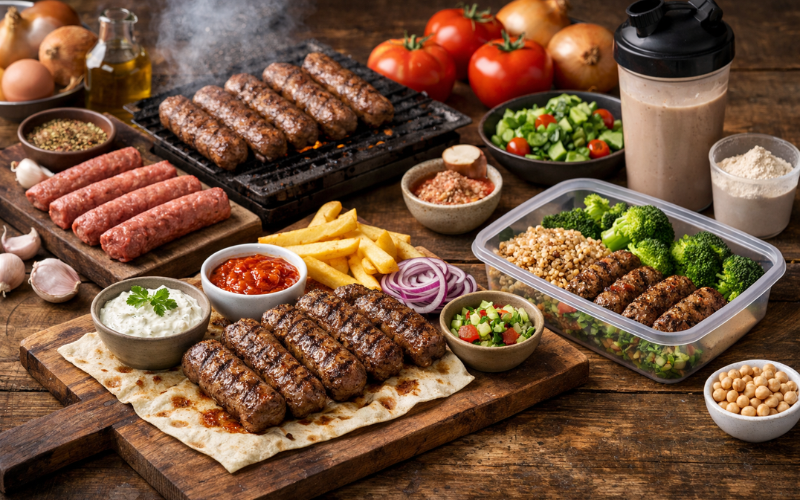
At its core, levapioli is a seasoned minced-meat dish shaped into small portions and cooked on a grill or grill-like heat. The mixture is usually ground meat combined with aromatics, salt, and spices. After mixing, it’s shaped by hand and cooked until it develops a browned surface while staying tender inside.
Levapioli is most often described in two common forms. One form looks like small patties—compact, oval, or round. The other is closer to finger-length sausage-style pieces, usually skinless and shaped directly from the meat mixture. Both styles aim for the same result: quick cooking, a lightly charred outside, and a juicy bite.
Levapioli is typically eaten as part of a casual plate or shared table. Many people serve it with bread, especially pita or flatbread, along with fresh herbs and vegetables. It’s the kind of meal where everyone can build their own bite—bread, meat, herbs, maybe a sauce—and eat it warm right off the grill.
Levapioli Meaning and Name Use Today
In food contexts, “levapioli” is used as the name of the dish: grilled, seasoned minced meat shaped into small portions. When people talk about levapioli in recipes or cooking guides, they usually mean the meal itself and how it’s prepared and served.
At the same time, the term is also showing up in branding and creative spaces because it sounds unique and memorable. In 2026, it’s common for new brands to choose words that are short, searchable, and different from everyday language. That makes a word like levapioli attractive for naming a product line, a digital project, a fashion label, or even an art concept—especially when the name feels international or culture-adjacent.
To tell whether “levapioli” refers to the dish or a name/label, look at the surrounding context. If the text mentions ingredients, grilling, food, serving, or nutrition, it’s almost certainly the culinary meaning. If it appears alongside words like “brand,” “studio,” “collection,” “app,” “design,” or “launch,” then it’s likely being used as a name rather than a meal. In some cases, both meanings may appear together, especially when food-inspired branding is involved.
Where Levapioli Comes From
Levapioli is generally presented as Balkan-inspired, connected to the wider grilling and minced-meat traditions found across the region. In many Balkan food cultures, grilled meat is not just a cooking method—it’s part of social life. Meals are often shared, cooked in batches, and served in a way that encourages conversation and togetherness.
This is why levapioli is often described as more than “just food.” It’s commonly framed as a gathering dish—something that fits family lunches, weekend grilling, and community-style meals. Even when made at home, the dish tends to feel social because it’s easy to share and easy to pair with other table foods.
Levapioli is also often compared to similar Balkan grilled minced-meat dishes. The biggest difference people point to is naming and presentation. Levapioli is usually described with its own seasoning balance and its own serving identity, even if it resembles familiar grilled meat shapes. In practice, many recipes in this family of dishes overlap, so the most helpful way to understand levapioli is by its consistent idea: seasoned minced meat, shaped small, grilled, and served simply.
Classic Levapioli Ingredients and Seasoning Profile
Levapioli is usually built from beef, lamb, or a blend of the two. Beef brings a clean, meaty base, while lamb adds richness and a deeper flavor. Many people prefer a mix because it balances tenderness and taste, especially when grilled.
The seasoning profile is usually straightforward but not bland. Garlic and onion are common starting points, adding a savory backbone. Spices like paprika and cumin are often mentioned as part of the flavor direction, giving warmth and gentle depth without overpowering the meat. Salt is essential, and some versions include black pepper and herbs. The goal is not to make it taste heavily spiced, but to make the meat taste fuller and more aromatic.
Across households and regions, ingredient variations are normal. Some versions use a little more garlic, some lean more smoky with paprika, and some include a different spice mix depending on family preference. What stays consistent is the overall style: simple ingredients, mixed well, shaped by hand, and cooked with high heat.
How Levapioli Is Traditionally Prepared
A common approach to levapioli starts with mixing the minced meat with seasonings until the mixture looks uniform and feels slightly sticky. That texture matters because it helps the meat hold its shape while cooking and gives the final bite a firmer, satisfying feel.
Many cooks let the mixture rest before shaping and grilling. The main reason is practical: resting allows the flavors to settle into the meat and helps the mixture bind better. Even a short rest can make shaping smoother and reduce the chance of cracking during cooking.
Shaping matters because levapioli cooks quickly, and size affects both texture and juiciness. Smaller pieces brown faster and are easier to serve in bread, while slightly thicker shapes hold moisture longer. Traditionally, the goal is an even thickness so the outside browns at the same time the inside reaches doneness.
Grilling is where levapioli gets its signature character. The high heat creates a browned surface and a light smoky flavor. A good grill approach cooks the pieces evenly, turning them as needed so they develop color without drying out.
How Levapioli Is Served
Levapioli is most often served warm and simply. Bread is a classic pairing because it turns the dish into an easy handheld meal. Flatbread or pita-style bread is common because it wraps well and balances the meat’s richness.
Fresh herbs and vegetables are also closely tied to levapioli. Herbs add brightness, and vegetables add crunch and freshness. This balance matters because grilled meat can feel heavy on its own, and the fresh sides keep the plate lively.
You’ll see levapioli served in different styles depending on the setting. In family meals, it may come out on a large platter with bread, herbs, vegetables, and sauces so everyone can serve themselves. In quick street-style plates, it’s often portioned more neatly, built into bread, and served with a small set of toppings.
Levapioli Nutrition and Why Fitness Communities Like It
Levapioli is considered protein-forward because its main ingredient is minced meat, and it’s typically cooked without heavy batter or thick sauces. That makes it appealing to people who want satisfying meals that are still simple and nutrient-focused.
When people talk about “clean eating” levapioli, they usually mean reducing extras rather than changing the dish completely. The meat and seasonings often stay similar, but cooks might choose leaner mince, avoid sugary sauces, and pair it with more vegetables. The cooking method also matters: grilling can reduce the need for added fats while still delivering flavor.
If you want levapioli to stay nutrient-dense without losing its traditional feel, focus on balance rather than strict rules. Choose a meat blend that fits your goals, keep the seasoning simple and real, and build the plate with fresh sides. The dish stays authentic when the meat remains the star and the flavors stay warm, savory, and straightforward.
Levapioli Variations You’ll See in 2026
In 2026, it’s common to see levapioli adapted for modern preferences while keeping its basic identity. Leaner versions are popular, especially for people who want high protein with less richness. Some cooks use lean beef, while others keep a small amount of lamb for flavor but reduce the overall fat level.
Flavor tweaks are also more common now because people enjoy customizing heat and spice. Some versions lean smoky, some add more garlic, and some use milder seasoning for a cleaner taste. These changes usually stay within the same “family” of flavor—savory, warm, and grilled.
Home-cooking versus restaurant-style levapioli can differ in texture. Restaurants often aim for a consistent shape and a strong browned surface, while home versions may be softer, slightly thicker, or more rustic. Neither is “wrong.” It depends on the cook’s preference and equipment.
How to Make Levapioli at Home
Making levapioli at home starts with choosing the right mince. Many people prefer beef and lamb together for flavor, but beef alone can still work well. What matters most is using meat that isn’t too dry, because a little fat helps keep the pieces juicy during grilling.
If you don’t have a grill, you still have options that keep the spirit of levapioli. A hot pan can create a browned surface and a similar texture. An oven works too, especially if you use high heat and finish with a quick broil for color. An air fryer can also brown the outside nicely if you avoid overcrowding and turn the pieces to cook evenly.
For doneness and texture, levapioli should look browned on the outside and feel firm but not hard. The inside should be cooked through while still juicy. Overcooking is the main risk, especially with smaller shapes, so a watchful approach helps—cook until done, then serve while hot.
How to Store, Reheat, and Meal-Prep Levapioli
Levapioli stores well when cooled and sealed properly. To keep the flavor fresh, store it in an airtight container in the refrigerator and reheat only what you plan to eat. For longer storage, freezing works well because the pieces are small and reheat quickly.
Reheating is where many people accidentally dry it out. Gentle reheating is the best approach. A covered pan on low heat can warm levapioli without turning it tough, and a short air-fryer reheat can bring back surface browning without long cooking time. If using a microwave, short bursts with a cover help reduce dryness.
Levapioli also fits meal prep without feeling repetitive. Because it pairs easily with bread, salads, vegetables, and simple sauces, you can change the meal by switching the sides. The core flavor stays familiar, but the plate can feel different day to day.
Conclusion
Levapioli sits at an interesting intersection in 2026: it’s described as a Balkan-inspired grilled minced-meat dish with a strong “shareable meal” identity, and it also functions as a modern, attention-grabbing term that shows up in wider branding. As food, levapioli is easy to understand and easy to enjoy—seasoned meat, shaped small, grilled, and served with bread and fresh sides.
Its growing popularity makes sense because it matches how many people eat today. It can be traditional, simple, and comforting, but it can also fit clean, protein-forward goals without losing its character. Whether you discover levapioli through culture, cooking curiosity, or modern search trends, it’s a dish built around something timeless: good flavor, simple ingredients, and a table meant to be shared.
FAQs
1. What is levapioli made of?
Levapioli is typically made from seasoned minced meat, often beef, lamb, or a mix, flavored with ingredients like garlic, onion, and warm spices.
2. Is levapioli the same as other Balkan grilled minced-meat dishes?
Levapioli is often compared to similar Balkan grilled meat shapes, but it’s usually discussed as its own named dish with a familiar grilled, seasoned-meat style.
3. Why is levapioli considered fitness-friendly?
Many people view levapioli as fitness-friendly because it’s protein-forward and usually made with simple ingredients, especially when served with fresh sides instead of heavy sauces.
4. Can I cook levapioli without a grill?
Yes. Levapioli can be cooked in a hot pan, baked in the oven, or made in an air fryer. The goal is browning on the outside and a juicy inside.
5. Why do I see “levapioli” used outside of food?
In 2026, “levapioli” sometimes appears as a brand or creative name because it sounds distinctive and is easy to remember. Context usually makes it clear whether it’s food or branding.
