Introduction
Gluten free crackers are snack biscuits made without wheat, barley, or rye — the grains that contain gluten. Instead, they use alternative flours and ingredients that are safe for people who cannot digest gluten properly. Over the past decade, gluten free crackers have moved far beyond their early reputation for being dry or crumbly. Today, they come in many textures and flavors, and some are almost indistinguishable from traditional crackers.
These products are essential for people with celiac disease, who must strictly avoid gluten to prevent serious health problems. They are also useful for those with gluten sensitivity, digestive discomfort, or individuals who simply prefer gluten-free foods as part of their lifestyle.
What Makes a Cracker Truly Gluten Free
Traditional crackers are usually made from wheat flour, which naturally contains gluten. Gluten gives dough its elasticity and structure, which is why it has long been used in baking. In crackers, it helps create the familiar crisp texture and shape.
Gluten free crackers replace wheat with other flours such as rice, corn, almond, or tapioca. Many also include seeds, legumes, or starch blends to improve texture. Because removing gluten changes how dough behaves, manufacturers often experiment with different combinations to achieve the right crunch.
It is also important to understand the difference between a product that is naturally gluten free and one that is certified gluten free. Some ingredients, like rice flour, do not contain gluten on their own but may become contaminated during processing. Certified products are tested and verified to meet strict safety limits, which gives extra assurance for people with medical conditions like celiac disease.
Types of Gluten Free Crackers Available Today
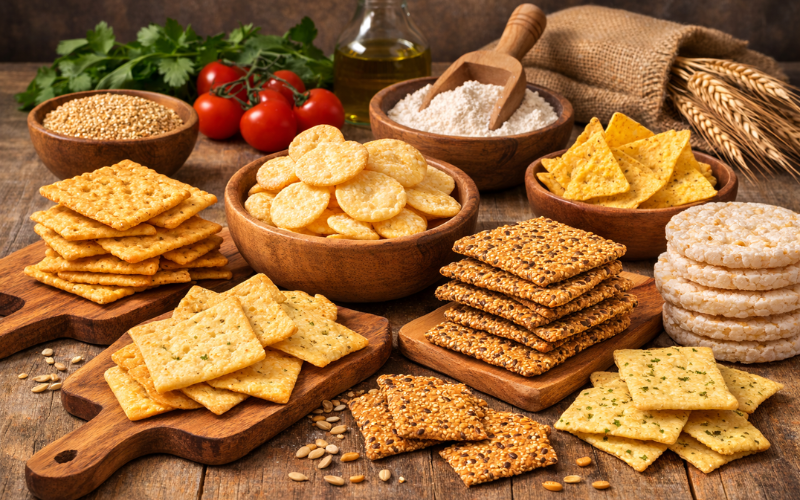
The range of gluten free crackers in 2026 is wider than ever. Rice-based crackers remain one of the most common types because rice flour is mild in flavor and produces a light, crispy bite. These crackers are often chosen for everyday snacking or pairing with spreads.
Seed-based and multigrain options are becoming more popular, especially among people who want more texture and nutrition. Crackers made with flax, sesame, or sunflower seeds tend to have a nutty taste and a firm crunch that works well on cheese boards.
Nut-flour crackers, particularly those made with almond flour, offer a richer flavor and slightly denser texture. They are often preferred by people following low-carb or high-protein diets.
Grain-free varieties, made with ingredients like cassava or coconut flour, are another growing category. Many of these options appeal to those following paleo or low-carb lifestyles while still providing a satisfying crunch.
Popular Gluten Free Cracker Brands Worth Knowing
Several commercial brands have helped improve the reputation of gluten free crackers by focusing on taste as much as dietary needs. Some emphasize a buttery texture that mimics classic snack crackers, while others focus on hearty seed blends for a more wholesome feel.
In general, lighter crackers work best for everyday snacking or dipping, while sturdier versions hold up better under cheese, spreads, or toppings. Ingredient choices often shape the experience. Rice-based crackers are usually crisp and neutral, almond-based options feel richer, and seed crackers offer the strongest crunch.
Understanding these differences helps shoppers choose a product suited to how they plan to eat it, whether that is with hummus, as part of a charcuterie board, or simply as a quick snack.
Specialty Options for Different Diets
Gluten free crackers now serve more than one dietary purpose. Keto-friendly options focus on reducing carbohydrates by using nut flours or seed blends instead of starches. These tend to be denser and more filling.
Paleo or grain-free crackers appeal to people avoiding processed grains entirely. They often use cassava, coconut flour, or seeds for structure.
For individuals with allergies, nut-free gluten free crackers are also available, typically made with rice, corn, or seed-based flours. These are especially important for school snacks or shared environments.
Some brands now highlight protein or fiber content as well. Crackers with legumes or seeds can provide more nutrients than traditional wheat versions, making them attractive to people who want snacks that feel more balanced.
Nutritional Value of Gluten Free Crackers
Many people assume gluten free automatically means healthier, but that is not always the case. Some gluten free crackers contain similar calories to regular crackers and may rely heavily on starches for texture.
However, there are nutritional advantages in certain varieties. Seed-based crackers often contain more fiber, while nut-based options may provide more protein and healthy fats. These differences can help with satiety and energy levels.
Shoppers should still check labels for hidden sugars, excess salt, or refined starches. A gluten free label does not guarantee a product is nutritious, so ingredient quality remains important.
How to Choose the Right Gluten Free Crackers for Your Needs
Choosing the best gluten free crackers depends on how you plan to use them. For casual snacking, lighter crackers with a neutral taste are usually the easiest choice. For entertaining or hosting, sturdier crackers that hold toppings without breaking are more practical.
Texture plays a large role as well. Some people prefer delicate, crisp crackers, while others like thicker, hearty ones with seeds or grains. Ingredient quality also matters, especially for those with allergies or strict dietary goals.
Price and availability may influence the final decision. Imported brands can be more expensive, while locally produced options often offer better value. The key is finding a balance between taste, cost, and dietary suitability.
Availability of Gluten Free Crackers in Local and Online Markets
Gluten free crackers are becoming easier to find in many parts of the world. Larger supermarkets increasingly stock dedicated gluten free sections, while specialty health stores offer a wider range of choices.
Online platforms have also made it easier to access international brands that may not be available locally. This is especially useful for people with specific dietary needs who want more variety.
When purchasing, it is helpful to consider shelf life and storage conditions. Many gluten free crackers contain oils or seed blends that can become stale faster than wheat-based products, so keeping them sealed in a cool, dry place helps preserve freshness.
Making Gluten Free Crackers at Home
Some people prefer homemade gluten free crackers because they can control the ingredients and avoid preservatives. Homemade versions also allow for flavor customization, from herbs and spices to cheese or seeds.
Most recipes follow a similar pattern, using a gluten free flour blend, fat such as butter or oil, and water to form a dough. Rolling the dough thinly is essential to achieving a crisp result.
Making crackers at home can be worthwhile for those who enjoy baking or want a cleaner ingredient list. However, for convenience, many store-bought options now offer quality that rivals homemade versions.
Conclusion
Gluten free crackers in 2026 are no longer a compromise food. With advances in ingredients and baking methods, they now offer a wide range of textures, flavors, and nutritional profiles. Whether you need them for medical reasons or simply prefer gluten free snacks, there are options suited to almost every taste and budget.
By understanding the ingredients, nutrition, and purpose behind different styles, you can choose gluten free crackers that are both satisfying and suitable for your needs. Today, the goal is no longer just avoiding gluten — it is enjoying good food while doing so.
FAQs
1. Are gluten free crackers healthier than regular crackers?
Not always. Some are similar in calories and ingredients, while others with seeds or nuts may offer more fiber or protein. It depends on the brand and ingredients.
2. Can people without gluten intolerance eat gluten free crackers?
Yes. Many people choose them for variety or dietary preference, and they are safe for anyone unless they contain specific allergens.
3. Do gluten free crackers taste different from regular crackers?
Some have a slightly different texture or flavor, but many modern options are very close to traditional crackers in taste and crunch.
4. How should gluten free crackers be stored?
Keep them in an airtight container in a cool, dry place. Because some contain natural oils, they may lose freshness faster than wheat-based crackers.
