Introduction
The 70 Pine Street Building is one of New York City’s most striking historic skyscrapers, known for its elegant design and lasting presence in Lower Manhattan. Rising above the Financial District, the building reflects an important moment in the city’s architectural and economic history while continuing to play an active role in modern urban life. Today, the 70 Pine Street Building stands as a clear example of how historic structures can remain relevant in a constantly changing skyline.
The Location and Urban Importance of the 70 Pine Street Building
The 70 Pine Street Building is located in Lower Manhattan, an area that has long served as the financial and commercial heart of New York City. Its position places it within walking distance of Wall Street, the New York Stock Exchange, and many other landmarks tied to global finance. This location gave the building immediate importance when it was first constructed and continues to shape its identity today.
Being surrounded by major banks, offices, and historic streets helped the 70 Pine Street Building become part of the daily rhythm of the city. The dense urban setting highlights its vertical design, allowing it to stand out among nearby structures. Even as Lower Manhattan has grown and changed, the building remains a visual anchor in the neighborhood, connecting past and present through its presence.
Historical Background of the 70 Pine Street Building
The 70 Pine Street Building was developed during the early 1930s, a time when New York City was rapidly expanding upward. It was originally commissioned by the Cities Service Company, a major energy corporation of that era. The building was designed to serve as the company’s headquarters, reflecting both its success and ambition.
When it first opened, the building represented modern progress and confidence during a challenging economic period. Despite the Great Depression, large-scale projects like the 70 Pine Street Building continued, symbolizing hope and long-term growth. In its early years, the structure was mainly used for office space and housed thousands of workers, making it an important center of activity in Lower Manhattan.
The Era That Shaped Its Construction
The 70 Pine Street Building was shaped by the economic and cultural environment of the early 20th century. During this time, skyscrapers were seen as symbols of strength, innovation, and corporate power. Companies wanted buildings that showed stability and success, even during uncertain times.
Architecturally, the period favored bold vertical lines and decorative details that expressed optimism and modern thinking. Advances in construction technology allowed buildings to reach new heights, and cities like New York became testing grounds for ambitious designs. The 70 Pine Street Building emerged from this era as a clear product of its time, combining practical office space with a strong visual identity meant to inspire confidence.
Architectural Design and Visual Identity
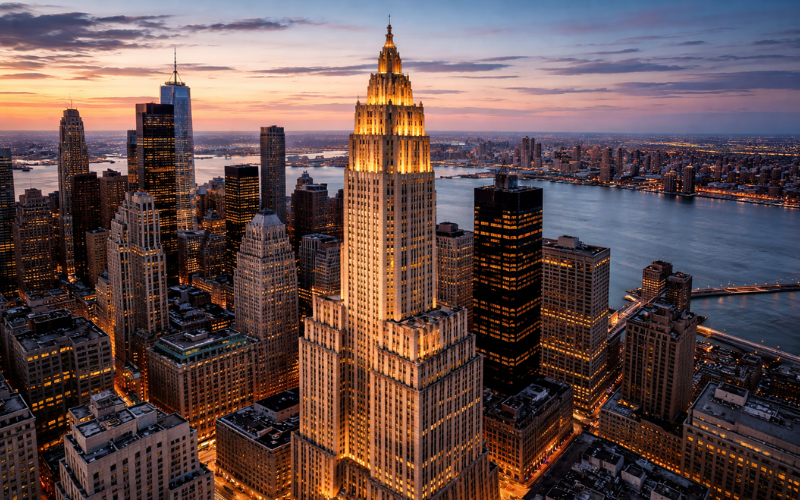
The architectural design of the 70 Pine Street Building is one of its most defining features. The exterior is known for its stepped form, which draws the eye upward and emphasizes height. This design approach was common in skyscrapers of the time and helped manage light and air in dense urban areas.
The building’s materials include limestone and other durable stone, giving it a solid and refined appearance. Its height made it one of the tallest buildings in the world when it was completed, and it remains tall by modern standards. Strong Art Deco influences can be seen in the building’s clean lines, decorative setbacks, and detailed crown, all of which contribute to its lasting appeal.
Key Design Elements That Set It Apart
Several details make the 70 Pine Street Building easy to recognize even today. The tower’s narrow profile and sharp vertical emphasis give it a sleek appearance compared to bulkier modern skyscrapers. Decorative elements near the top add character without overwhelming the overall design.
Inside, the original layout focused on efficiency and natural light, which was important for office workers before modern lighting became common. While many interior features have been updated, the building’s original design philosophy is still visible. These elements help explain why the 70 Pine Street Building continues to attract attention from architects, historians, and visitors alike.
How the 70 Pine Street Building Has Evolved Over Time
Over the decades, the role of the 70 Pine Street Building has changed to meet new needs. As businesses moved or changed, the building adapted rather than becoming outdated. This flexibility has been key to its survival and continued use.
Renovations have modernized the interior while respecting the original structure. The transformation from a purely commercial office building into a mixed-use space shows how historic buildings can evolve without losing their identity. These changes allowed the 70 Pine Street Building to remain active and relevant in a competitive real estate market.
Residential and Commercial Use Today
Today, the 70 Pine Street Building serves both residential and commercial purposes. Many of its upper floors have been converted into apartments, offering residents the chance to live inside a historic skyscraper with modern comforts. Lower floors still support commercial activity, maintaining a link to the building’s original function.
Residents and workers benefit from the building’s central location and strong infrastructure. Living or working in the 70 Pine Street Building offers a unique experience that blends history with everyday convenience. This combination has helped attract a diverse group of people who value both character and practicality.
Modern Amenities Within a Historic Structure
Modern expectations have influenced updates inside the 70 Pine Street Building. Renovations introduced features such as updated utilities, improved safety systems, and comfortable living spaces while preserving historic details where possible.
These improvements show how old buildings can meet modern standards without losing their charm. The balance between preservation and comfort allows the 70 Pine Street Building to compete with newer developments while offering something they cannot replicate: a sense of history and authenticity.
The 70 Pine Street Building in New York City Culture
The 70 Pine Street Building holds a respected place in New York City culture. Locals recognize it as part of the classic skyline, and visitors often admire its elegant form. It frequently appears in photographs of Lower Manhattan, especially from angles that highlight its height and distinctive crown.
The building has also appeared in films, books, and architectural discussions, reinforcing its status as a cultural landmark. Its presence in city narratives helps keep its story alive and ensures that new generations continue to appreciate its importance.
Why the 70 Pine Street Building Still Matters
The 70 Pine Street Building matters because it represents a successful blend of history, design, and modern use. It preserves an important chapter of New York City’s architectural past while remaining useful in the present.
As the skyline continues to change, the building serves as a reminder that progress does not always require replacement. Instead, thoughtful preservation and adaptation can keep historic structures relevant. The continued use of the 70 Pine Street Building proves that well-designed architecture can stand the test of time.
Conclusion
The 70 Pine Street Building remains one of New York City’s most impressive historic skyscrapers. From its origins as a corporate headquarters to its current mixed-use role, it reflects the city’s ability to adapt while honoring its past. Through thoughtful design, careful updates, and a strong connection to its surroundings, the 70 Pine Street Building continues to stand tall as a meaningful part of modern New York’s skyline.
FAQs
1. Where is the 70 Pine Street Building located in New York City?
The 70 Pine Street Building is located in Lower Manhattan, within the Financial District, close to Wall Street and other major landmarks.
2. What architectural style is the 70 Pine Street Building known for?
The building is best known for its Art Deco style, featuring strong vertical lines, decorative details, and a distinctive stepped design.
3. Is the 70 Pine Street Building residential, commercial, or mixed-use?
Today, the 70 Pine Street Building is a mixed-use structure with residential apartments and commercial spaces.
4. Why is the 70 Pine Street Building considered historically significant?
It is historically significant because of its architectural design, its role in early 20th-century corporate New York, and its continued use through careful renovation.
