Introduction
Enntal is a well-known valley region in Austria that draws attention for its natural beauty, local lifestyle, and strong connection to the surrounding Alpine landscape. People searching for enntal are often looking to understand where it is, what makes it special, and why it continues to be relevant for both residents and visitors today.
Where Enntal Is and Its Geographic Setting
Enntal is located in central Austria and follows the course of the Enns River, which gives the region its name. The valley stretches across parts of Styria and Upper Austria, forming one of the country’s most important natural corridors through the Alps. Because of its position between major mountain ranges, enntal has long served as a natural route for travel, settlement, and trade.
The geography of enntal is defined by wide valley floors in some areas and narrow passages in others, creating a varied landscape that feels open yet sheltered at the same time. Towns and villages developed along the riverbanks and lower slopes, where access to water, fertile land, and transport routes made daily life more practical. This balance between accessibility and natural protection is one of the reasons enntal remains an attractive place to live and visit.
The Natural Landscape That Defines Enntal
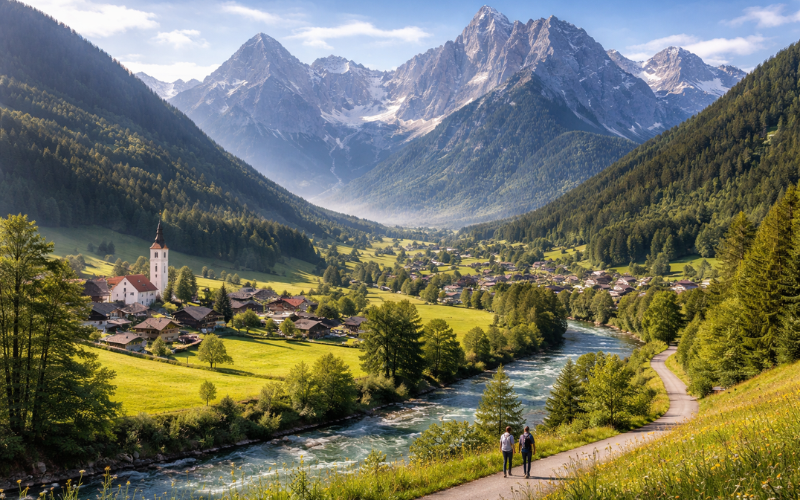
The landscape of enntal is shaped by mountains, rivers, forests, and open valleys that change character as the river flows through the region. Steep Alpine peaks rise on both sides of the valley, while gentler hills and meadows appear closer to populated areas. This mix creates a strong visual identity that many people associate with classic Austrian scenery.
The Enns River plays a central role in defining enntal. It influences the layout of towns, supports local agriculture, and contributes to outdoor recreation. Over time, the river has shaped the land through erosion and seasonal changes, leaving behind gravel banks, floodplains, and fertile soil. These natural features support plant and animal life and give the region a sense of movement and continuity.
Scenery is not just a backdrop in enntal; it shapes how people live and interact with their surroundings. Daily routines often follow the rhythm of the seasons, with weather, daylight, and mountain conditions influencing work, travel, and leisure. This close relationship with nature is a key part of enntal’s identity and one of the main reasons it continues to capture interest.
A Brief Look at Enntal’s History and Regional Development
The history of enntal is closely tied to its geography. Archaeological evidence shows that people settled in the valley thousands of years ago, drawn by water access and natural routes through the mountains. Over time, enntal became an important passage for trade and communication between northern and southern regions of Austria.
During the Middle Ages, small towns grew around farming, mining, and local crafts. Castles, churches, and market centers appeared along the valley, many of which still shape the landscape today. Industrial development arrived later, particularly where water power and transport connections could be used efficiently.
Despite periods of change, enntal has managed to retain a strong regional character. Modern infrastructure exists alongside historic buildings and traditional land use. This combination of old and new helps explain why enntal feels rooted in history while remaining adaptable to contemporary life.
Life in Enntal: Communities, Culture, and Daily Rhythm
Life in enntal is centered around small towns and close-knit villages where community plays an important role. Many residents have strong ties to the region, with family roots going back generations. Even in larger towns, daily life often feels personal and familiar, shaped by local events and shared traditions.
Cultural life in enntal reflects a blend of Alpine customs and regional Austrian identity. Seasonal festivals, local music, and traditional food remain part of everyday culture rather than tourist displays. These practices help maintain a sense of belonging and continuity across generations.
The daily rhythm in enntal tends to be calm and structured, influenced by work patterns, school schedules, and seasonal changes. Outdoor spaces are widely used, and nature is part of everyday experience rather than something separate. This lifestyle appeals to people who value balance, routine, and a strong connection to place.
Tourism and Outdoor Experiences Commonly Linked to Enntal
Tourism in enntal is closely connected to its natural environment. Visitors are often drawn by hiking, cycling, skiing, and other outdoor activities that allow them to experience the landscape directly. The valley offers access to both gentle routes suitable for families and more demanding terrain for experienced outdoor enthusiasts.
Seasonal changes play a major role in tourism patterns. Summer brings green valleys, flowing rivers, and long daylight hours, while winter transforms the region with snow-covered mountains and quieter village life. These seasonal shifts give enntal a changing character that encourages repeat visits.
At the same time, enntal is not only a tourist destination. Many people choose to live in the region long-term because it offers a stable environment, access to nature, and a slower pace of life. This balance between visitor interest and everyday living helps keep the region authentic and sustainable.
How Enntal Connects to Nearby Regions and Travel Routes
Enntal’s location makes it an important link between different parts of Austria. Roads and railways follow the valley, making travel through the Alps more manageable. These routes connect enntal to larger cities as well as neighboring rural regions, supporting both economic activity and daily commuting.
Because of these connections, enntal is not isolated despite its mountain setting. Residents can access services, education, and employment opportunities beyond the valley while still enjoying a local lifestyle. For visitors, these transport links make enntal easy to reach without extensive planning.
This role as a natural corridor has shaped the region’s development over centuries and continues to influence how enntal functions today. It remains a place of movement and exchange, even as it maintains a strong sense of regional identity.
Why Enntal Continues to Gain Attention Online and Offline
Interest in enntal has grown steadily as more people search for places that offer quality of life, natural surroundings, and cultural depth. Online searches often reflect curiosity about living conditions, travel options, and the overall character of the region.
Offline, enntal gains attention through word of mouth, personal experiences, and long-term connections formed by visitors who return or decide to settle there. The region’s appeal is not based on trends or sudden popularity but on consistent qualities that remain relevant over time.
This steady interest suggests that enntal resonates with people looking for authenticity, balance, and a meaningful connection to their environment. These factors help explain why the region continues to be discussed, explored, and valued.
Conclusion
Enntal represents a region where geography, history, and daily life are closely connected. Its valley setting, shaped by the Enns River and surrounding mountains, has influenced how communities developed and how people continue to live today. Whether viewed as a place to visit or a place to call home, enntal offers a clear sense of identity grounded in nature, culture, and long-term continuity.
FAQs
1. What does the name enntal refer to?
The name enntal refers to the valley formed by the Enns River. In German, “tal” means valley, so enntal directly describes the river valley where the region developed.
2. Where is enntal located?
Enntal is located in central Austria, stretching across parts of Styria and Upper Austria. It follows the Enns River as it flows through the Alpine landscape.
3. Is enntal known more for tourism or local living?
Enntal is known for both. While tourism plays an important role due to outdoor activities and scenery, many people live in enntal year-round and value its stable, community-focused lifestyle.
4. What kind of landscape is typical in enntal?
The typical landscape of enntal includes mountains, river valleys, forests, and open meadows. This varied environment is one of the region’s defining features.
