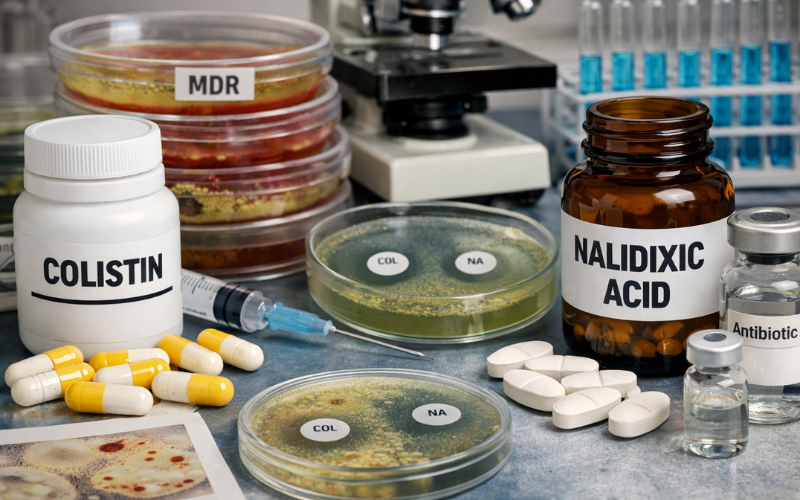
Introduction
The term colistin nalidixic acid often appears in medical, laboratory, and microbiology-related discussions, which is why many people search for it online. At first glance, it may seem like the name of a single drug, but in reality, it refers to two well-known antibacterial substances discussed together for specific practical reasons. Understanding what colistin nalidixic acid means, how the term is used, and where it is commonly encountered can help reduce confusion and improve clarity for students, healthcare workers, and general readers alike.
People usually come across colistin nalidixic acid when reading about laboratory testing, bacterial studies, or selective antimicrobial environments. Because both substances have distinct purposes, the combined reference can feel unclear without proper explanation. This article explains the term in plain English, focusing on its meaning, real-world use, and why it continues to be relevant today.
Understanding What Colistin Nalidixic Acid Refers To
Colistin nalidixic acid does not usually describe a single medication taken by patients. Instead, it refers to colistin and nalidixic acid considered together, most often in laboratory or diagnostic contexts. The term is commonly used when describing antimicrobial combinations or environments designed to control bacterial growth.
In many cases, colistin nalidixic acid is mentioned in relation to selective processes where certain bacteria are allowed to grow while others are suppressed. Because both substances target different types of bacteria, referencing them together helps describe a broader antibacterial effect. This combined wording is especially common in microbiology settings rather than routine clinical prescriptions.
The Individual Roles of Colistin and Nalidixic Acid
Colistin is an antibacterial agent mainly known for its activity against certain gram-negative bacteria. It is often considered a treatment option when other antibiotics are no longer effective. Because of its strength and potential side effects, its use is usually carefully controlled and monitored in clinical settings.
Nalidixic acid, on the other hand, is an older antibacterial agent primarily associated with urinary tract infections and bacterial research. It works differently from colistin and has historically been used both in treatment and in laboratory testing. Although it is less commonly prescribed today, nalidixic acid still plays a role in microbiological studies.
When these two substances are discussed together as colistin nalidixic acid, it highlights their complementary roles rather than suggesting they are always used as a combined treatment.
How Colistin Nalidixic Acid Is Used in Practice
In real-world practice, colistin nalidixic acid is most often referenced in laboratory and diagnostic environments rather than routine patient care. Microbiology labs may use conditions involving colistin and nalidixic acid to limit the growth of unwanted bacteria while allowing target organisms to be identified more easily.
This approach is useful when working with mixed bacterial samples, where controlling bacterial competition is important. By understanding how bacteria respond to colistin nalidixic acid conditions, researchers and technicians can gain clearer test results and more accurate observations.
In clinical discussions, the term may also appear when reviewing resistance patterns or antibacterial classifications, especially in educational or academic materials.
The Purpose Behind Combining Colistin and Nalidixic Acid
The main purpose behind referencing colistin nalidixic acid together lies in functional balance. Each substance targets bacteria in a different way, and together they can create an environment that supports selective bacterial control.
Rather than being combined for patient dosing, the pairing helps professionals describe a broader antibacterial strategy. This approach is particularly useful in laboratory testing, where precision matters more than treatment convenience. The combination allows clearer distinction between bacterial species and improves reliability in test outcomes.
Situations Where Colistin Nalidixic Acid Is Commonly Referenced
Colistin nalidixic acid commonly appears in microbiology textbooks, laboratory protocols, research papers, and educational resources. Students studying microbiology or infectious diseases often encounter the term when learning about selective agents or bacterial resistance.
Healthcare professionals may also see the term in diagnostic discussions or laboratory reports, especially those related to bacterial identification. Online searches often come from individuals trying to clarify whether the term refers to a medication, a treatment plan, or a testing method.
Because it spans both clinical and laboratory knowledge, colistin nalidixic acid naturally appears across multiple professional environments.
Important Considerations When Dealing With Colistin Nalidixic Acid
It is important to approach colistin nalidixic acid with proper context. Neither substance should be used casually, and both require professional oversight when applied in medical or laboratory settings. Misuse or misunderstanding can lead to incorrect assumptions about treatment or testing.
Safety considerations are especially relevant for colistin, which is known for potential side effects when used clinically. Nalidixic acid also has specific usage limits and is not suitable for all patients. This is why their combined mention usually relates to controlled environments rather than general use.
Responsible interpretation means understanding that colistin nalidixic acid describes a concept or combination rather than a universal solution.
Common Misunderstandings Around Colistin Nalidixic Acid
One common misunderstanding is assuming that colistin nalidixic acid is a single antibiotic prescribed to patients. In most cases, this is not accurate. Another confusion involves thinking that the term always refers to active treatment rather than laboratory application.
Some people also assume that combining two antibacterial agents automatically makes treatment stronger or better, which is not always true. In reality, each substance has specific roles, limitations, and safety considerations.
Why Colistin Nalidixic Acid Remains Relevant Today
Despite changes in medical practice, colistin nalidixic acid remains relevant because bacterial resistance and accurate diagnosis are ongoing concerns. Laboratories still rely on established antibacterial agents to support testing accuracy and research reliability.
Educational institutions continue teaching these concepts because understanding older and newer antibacterial substances helps build a complete picture of infectious disease management. The term also remains searchable because professionals and students alike need clear explanations.
Conclusion
Colistin nalidixic acid is best understood as a combined reference to two distinct antibacterial substances used for specific purposes, especially in laboratory and diagnostic settings. While colistin and nalidixic acid each have their own histories and uses, discussing them together helps describe controlled antibacterial environments rather than routine treatment.
By understanding what the term refers to, how it is used, and why it appears in medical discussions, readers can interpret information more accurately. Colistin nalidixic acid remains relevant today because it supports careful study, diagnosis, and education in the ongoing effort to understand bacterial behavior.
FAQs
1. What does colistin nalidixic acid mean?
Colistin nalidixic acid refers to colistin and nalidixic acid discussed together, usually in laboratory or diagnostic contexts rather than as a single medication.
2. Is colistin nalidixic acid a single drug?
No, it is not typically a single drug. It describes two separate antibacterial substances considered together for practical or educational reasons.
3. Where is colistin nalidixic acid commonly used?
It is most commonly referenced in microbiology laboratories, research settings, and educational materials related to bacterial studies.
4. Is colistin nalidixic acid used for routine treatment?
In most cases, no. The term is more closely linked to controlled laboratory use and specific clinical discussions rather than routine patient treatment.
