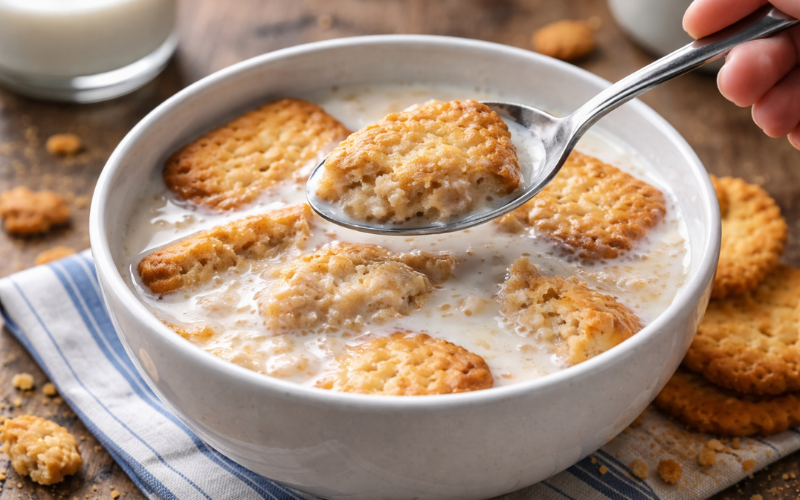
Introduction
The phrase biscuit soggy is simple, but it describes a situation most people have experienced. You open a packet, dip a biscuit into tea, or take one out of storage, and instead of being crisp and firm, it feels soft, wet, or limp. That texture change is what people usually mean when they say a biscuit is soggy.
Many people search for the term biscuit soggy because they want to understand why it happens, whether it means the biscuit has gone bad, or if it can be avoided. Others are simply curious about how texture affects taste and quality. Biscuits are often associated with crunch and freshness, so when that expected texture changes, it raises questions. This article explains what biscuit soggy really means, how moisture causes it, and why it matters in everyday eating.
Understanding What “Biscuit Soggy” Refers To
When people describe a biscuit as soggy, they are talking about excess moisture entering the biscuit and changing its structure. A soggy biscuit has absorbed liquid or humidity, which makes it lose its crispness. Instead of snapping cleanly when broken, it bends or crumbles in a damp way.
In everyday language, biscuit soggy does not always mean the biscuit is unsafe to eat. It usually means the texture is no longer what was expected. For some people, sogginess is disappointing because biscuits are meant to be crunchy. For others, especially in certain eating habits, a soggy biscuit can be completely normal.
The term is often used casually, such as when someone leaves a biscuit out in the open, dips it too long in tea, or stores it improperly. In all cases, the core idea is the same: moisture has changed the biscuit.
How Moisture Changes a Biscuit’s Texture
Biscuits are baked to remove most of the water from the dough. This low moisture level is what gives them a dry, crisp texture and long shelf life. When moisture returns, the structure of the biscuit begins to soften.
Liquids like tea, coffee, milk, or even fillings with moisture can soak into a biscuit quickly. Humidity in the air can also slowly affect biscuits, especially in warm or damp environments. Over time, the dry ingredients inside the biscuit absorb water from the air, causing it to feel soggy even without direct contact with liquid.
Once moisture enters a biscuit, it spreads through the layers. The starch and sugar inside start to soften, and air pockets collapse. This is why a biscuit soggy texture feels dense and dull instead of light and crisp. The more moisture involved, the faster this change happens.
Common Situations Where Biscuits Become Soggy
One of the most common causes of a biscuit soggy experience is dipping biscuits into hot drinks. Even a few extra seconds in tea or coffee can be enough to change the texture completely. Some biscuits are designed to hold their shape longer, while others absorb liquid very quickly.
Storage is another major factor. Biscuits left in an open packet, a loose container, or near steam from cooking can absorb moisture from the air. This is especially common in humid climates where the air itself contains more water.
Biscuits with cream, jam, or chocolate fillings can also become soggy over time. The moisture from the filling slowly moves into the biscuit layers, softening them from the inside. Even factory-sealed biscuits can develop a soggy texture if stored for too long or exposed to heat.
The Difference Between Soft, Stale, and Soggy Biscuits
Not every soft biscuit is soggy, and not every texture change means the same thing. A soft biscuit may be baked that way on purpose, especially in certain styles. Soft biscuits still feel dry, just tender instead of crunchy.
Stale biscuits are usually dry but unpleasant. They may have lost freshness, flavor, or aroma, often because they were exposed to air for too long. Staleness does not always involve moisture, and a stale biscuit can still feel hard.
A biscuit soggy, however, feels damp or heavy. It may stick slightly to the fingers or feel uneven in texture. The key difference is moisture. Sogginess always involves water entering the biscuit, while softness and staleness can happen for other reasons.
Why Biscuit Sogginess Matters for Taste and Quality
Texture plays a big role in how food tastes. A biscuit that is meant to be crisp often loses its appeal when it becomes soggy. The flavors may feel muted, and the eating experience changes completely.
For many people, the crunch of a biscuit is part of its identity. When that crunch disappears, the biscuit can feel flat or disappointing. This is why biscuit soggy texture is often linked to lower quality in people’s minds.
However, sogginess does not always mean poor quality or spoilage. In some cases, the biscuit is still fresh but has simply absorbed moisture. Taste preferences also matter. Some people enjoy a softer, soaked biscuit, especially with hot drinks.
The importance of sogginess depends on expectation. If a biscuit is expected to be crisp, sogginess feels like a problem. If softness is expected, it may not matter at all.
Preventing Biscuits From Becoming Soggy
Preventing biscuit soggy texture starts with awareness rather than complex techniques. Moisture is the main cause, so reducing exposure to liquid and humidity makes a big difference.
Keeping biscuits sealed properly helps maintain their texture. Once a packet is opened, the surrounding air begins to affect the biscuits. Warm kitchens, steam, and damp weather speed up the process.
How biscuits are eaten also matters. Dipping them briefly rather than holding them in liquid reduces the chance of sogginess. Some people even choose specific biscuits for dipping because they hold their shape better.
Understanding how moisture works allows people to enjoy biscuits the way they prefer, whether that means crisp or intentionally soft.
When a Soggy Biscuit Is Expected or Intentional
Not all soggy biscuits are accidents. In many cultures and habits, soaking biscuits is done on purpose. Dipping biscuits into tea or milk until they soften is common and enjoyed by many people.
In desserts, biscuits are often layered with cream, custard, or syrup. In these cases, sogginess is part of the design. The biscuit absorbs liquid and becomes soft, creating a different texture that blends with other ingredients.
For children, elderly people, or those with sensitive teeth, a soggy biscuit can be easier to eat. In these situations, softness is a benefit, not a flaw.
Conclusion
The term biscuit soggy describes a simple but familiar change in texture caused by moisture. Whether from dipping, storage, humidity, or fillings, water transforms a biscuit from crisp to soft by altering its structure. While sogginess often feels like a loss of quality, it is not always a problem and is sometimes intentional.
Understanding why biscuits turn soggy helps people manage expectations, storage, and enjoyment. Texture plays a key role in how biscuits are perceived, and knowing the difference between soggy, soft, and stale makes that experience clearer. In the end, a soggy biscuit is not just a mistake—it is a result of moisture meeting a food designed to be dry.
FAQs
Why does my biscuit become soggy even without dipping it in tea?
Biscuits can absorb moisture from the air, especially in humid environments or when stored in open or poorly sealed packaging. This slow exposure can make them soggy over time.
Is a soggy biscuit safe to eat?
In most cases, yes. If the biscuit smells normal, looks fine, and shows no signs of mold, sogginess alone does not mean it is unsafe. It usually only affects texture and taste.
Why do some biscuits get soggy faster than others?
Biscuits differ in ingredients, thickness, and structure. Some are more porous and absorb moisture quickly, while others are designed to stay firm longer, especially when dipped.
Can a soggy biscuit become crisp again?
Once moisture has been absorbed, it is difficult to fully restore the original crisp texture. In some cases, drying can help slightly, but the biscuit rarely returns to its original state.
