Introduction
The Xanadu Project New Jersey is one of the most talked-about development stories in the state’s modern history. First announced in the early 2000s, the project promised to become a massive entertainment and retail destination unlike anything New Jersey had seen before. From its bold design to its ambitious scale, Xanadu quickly attracted national attention. However, what made the project famous was not just its vision, but also the long journey filled with delays, financial struggles, and public debate. Today, the Xanadu Project New Jersey remains significant because it reflects both the risks and rewards of large-scale development projects and shows how long-term persistence can eventually reshape a troubled idea into a functioning reality.
The Original Vision of the Xanadu Project New Jersey
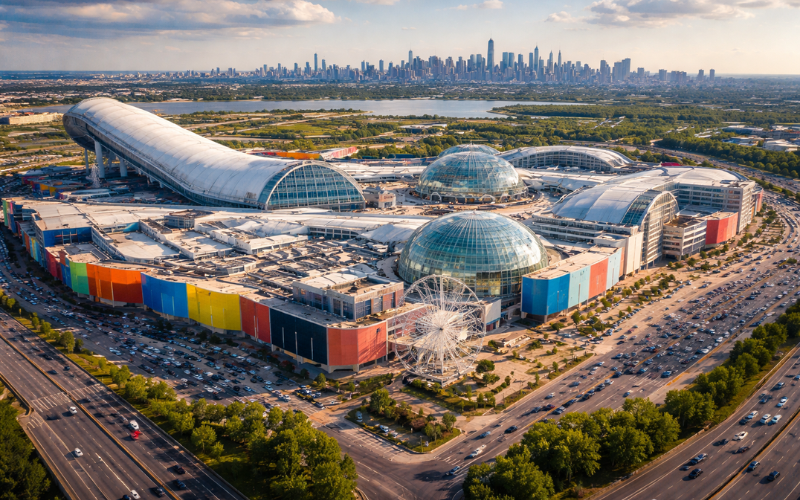
When the Xanadu Project New Jersey was first proposed, it aimed to redefine entertainment and shopping in the region. The original plan focused on creating a giant indoor complex that combined retail stores, entertainment venues, and unique attractions under one roof. Developers envisioned a destination that would attract visitors not only from New Jersey, but also from New York and surrounding states. The project was designed to stand out through its size and bold appearance, with colorful exterior panels and a futuristic style that was meant to symbolize innovation and excitement.
At the time, the ambition behind the Xanadu Project New Jersey reflected a broader trend of building experience-based shopping destinations rather than traditional malls. The goal was to create a place where people would spend entire days shopping, dining, and enjoying entertainment, rather than making quick visits.
Location and Strategic Importance in New Jersey
One of the biggest advantages of the Xanadu Project New Jersey was its location. The site was chosen near the Meadowlands Sports Complex in East Rutherford, an area already known for hosting major sporting events and concerts. This location placed the project close to major highways and within easy reach of New York City, making it highly visible to millions of commuters and visitors each year.
Because of this strategic position, expectations for the project were extremely high. Many believed the Xanadu Project New Jersey would benefit from steady foot traffic generated by nearby stadium events and the dense population of the surrounding region. The location also raised the project’s profile, ensuring that any delays or problems would receive widespread attention.
Early Development Phases and Planning Challenges
Despite strong early enthusiasm, the development phase of the Xanadu Project New Jersey proved to be more complex than expected. Large projects of this scale require careful coordination between developers, government agencies, and contractors. From zoning approvals to infrastructure planning, each step took time and often faced unexpected hurdles.
Construction moved forward slowly, and early delays began to create concern among investors and local officials. Changes in leadership and planning approaches added further complications. As timelines slipped, the project began to develop a reputation for being stuck in progress, with visible construction but little movement toward completion.
Financial, Legal, and Structural Setbacks
Financial difficulties played a major role in slowing the Xanadu Project New Jersey. Cost overruns, funding gaps, and shifting economic conditions made it difficult to keep construction on track. Legal disputes between developers and contractors added another layer of delay, creating uncertainty about the project’s future.
Structural issues also emerged as parts of the building sat unfinished for extended periods. These setbacks forced developers to reconsider the original vision and explore new approaches to revive the project. Over time, it became clear that the Xanadu Project New Jersey would not succeed without major changes in ownership, financing, and overall direction.
Public Reaction and Media Attention Over Time
As delays continued, public reaction to the Xanadu Project New Jersey shifted from excitement to frustration and skepticism. Media outlets frequently referred to the site as a symbol of stalled development, and its colorful exterior became a familiar sight associated with unrealized promises.
Local residents and commuters regularly questioned whether the project would ever open. At the same time, the constant media coverage kept the site in the public eye, ensuring that the project was never forgotten. This attention created pressure on developers and state officials to find a solution rather than abandon the project entirely.
The Transition and Rebranding of the Xanadu Site
Eventually, new investors stepped in with a plan to transform the troubled site. The project was rebranded and relaunched with a revised vision that focused more heavily on entertainment and family-friendly attractions. This transition marked a turning point in the story of the Xanadu Project New Jersey.
Under its new identity as American Dream, the site finally moved toward completion. The rebranding helped distance the development from its troubled past while keeping the core idea of a large-scale entertainment destination alive. This phase demonstrated how adaptability and fresh leadership can revive even the most delayed projects.
Economic and Cultural Impact on New Jersey
The long journey of the Xanadu Project New Jersey has had a noticeable impact on the state’s economy and culture. Construction and redevelopment created thousands of jobs over the years, both directly and indirectly. Once operational, the site contributed to tourism, retail activity, and entertainment spending in the region.
Culturally, the project became a reference point in discussions about development planning and public-private partnerships in New Jersey. It highlighted the importance of realistic timelines, stable financing, and clear long-term vision when undertaking projects of this scale.
What the Xanadu Project New Jersey Represents Today
Today, the former Xanadu site stands as a functioning part of New Jersey’s commercial landscape. While it no longer carries the original name, the legacy of the Xanadu Project New Jersey remains closely tied to its current form. The project now represents resilience and the possibility of reinvention after years of uncertainty.
Its presence near major sports venues and transportation routes continues to support its role as a regional destination. For many, it serves as proof that even long-delayed projects can eventually find success with the right adjustments.
Lessons Learned from the Xanadu Project New Jersey
The history of the Xanadu Project New Jersey offers valuable lessons for developers, investors, and policymakers. It shows how ambitious ideas must be matched with strong financial planning and flexible strategies. The project also demonstrates the importance of responding to changing market conditions and public expectations over time.
Perhaps most importantly, the story highlights that large developments are rarely simple and often require patience, compromise, and resilience to reach completion.
Conclusion
The Xanadu Project New Jersey remains one of the most memorable development stories in the state’s history. From its ambitious beginnings to years of setbacks and eventual transformation, the project reflects both the challenges and opportunities of large-scale development. While the original vision evolved over time, its lasting relevance lies in the lessons it provides and the impact it continues to have on New Jersey’s economic and cultural landscape.
FAQs
1. What was the original purpose of the Xanadu Project New Jersey?
The original purpose of the Xanadu Project New Jersey was to create a large indoor entertainment and retail destination. It was designed to combine shopping, dining, and attractions in one massive complex that could draw visitors from New Jersey, New York, and nearby states.
2. Why did the Xanadu Project New Jersey face so many delays?
The Xanadu Project New Jersey experienced delays due to financial problems, legal disputes, planning challenges, and changes in developers. Economic shifts and cost overruns also made it difficult to complete the project on its original timeline.
3. Is the Xanadu Project New Jersey still called Xanadu today?
No, the original Xanadu Project New Jersey was later rebranded. The site is now known as American Dream, but it occupies the same location and continues the idea of a large-scale entertainment and retail destination.
4. What does the Xanadu Project New Jersey represent today?
Today, the Xanadu Project New Jersey represents resilience and reinvention. Although the original vision changed over time, the project ultimately became a functioning destination, showing how large developments can recover from long delays with the right planning and leadership.
