Introduction
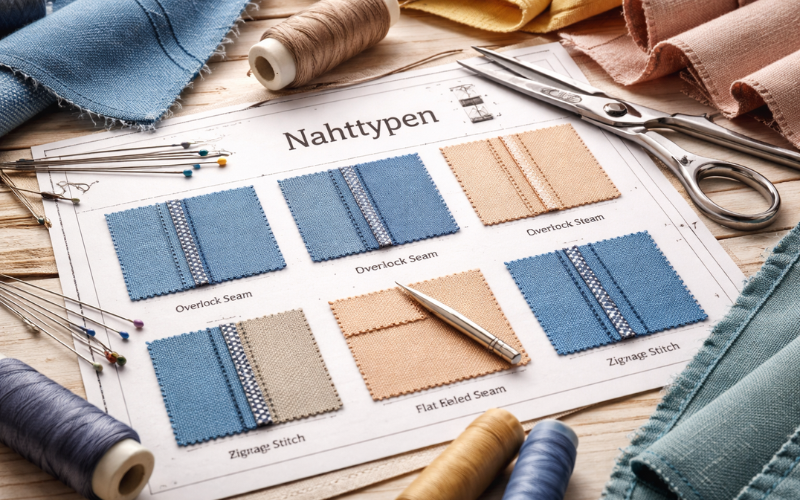
Nahttypen is a German term that refers to the different types of seams used in sewing and textile work. While the word itself may sound technical, the idea behind it is simple. Every piece of clothing, home textile, or fabric-based product is held together by seams, and the way those seams are made has a direct impact on how the final item looks, feels, and performs. Nahttypen describe these seam constructions and help explain why some garments last longer, fit better, or feel more comfortable than others.
Understanding Nahttypen matters for anyone involved in sewing, whether at home or in professional production. Seams are not just functional connections between pieces of fabric. They influence durability, flexibility, appearance, and even how a garment moves with the body. Choosing the right Nahttypen can prevent early wear, improve comfort, and give a finished piece a clean, professional look. In simple terms, Nahttypen are one of the quiet foundations of good sewing and high-quality textiles.
The Role of Nahttypen in Sewing and Textile Work
In sewing and textile work, Nahttypen play a central role because they define how fabric pieces are joined together. Each seam type is designed to handle specific needs, such as strength, stretch, or visual appeal. A seam that works well for a lightweight shirt may not be suitable for heavy workwear or outerwear. This is why Nahttypen are closely linked to the purpose of the garment and the conditions in which it will be worn.
Beyond holding fabric together, Nahttypen also affect how stress is distributed across a garment. Areas like shoulders, seams along the sides, or points where fabric moves often need stronger seam structures. In contrast, decorative areas focus more on appearance than load-bearing strength. Textile professionals rely on the correct use of Nahttypen to balance function and design, ensuring that clothing performs well over time.
Core Categories of Nahttypen
Nahttypen can be grouped into broad categories based on their main purpose. Some seams are mainly functional, others are decorative, and some are designed to provide extra stability. These categories help sewers and designers understand which seam type is best suited for a particular task.
While the technical details of seam construction can be complex, the basic idea is straightforward. Each category of Nahttypen responds to a different need in garment construction. By recognizing these core categories, it becomes easier to make informed decisions during sewing, whether for simple home projects or large-scale textile production.
Nahttypen for Everyday Garment Construction
Everyday clothing relies on Nahttypen that are practical, comfortable, and reliable. These seams are designed to hold up under regular movement, washing, and wear without causing discomfort. Shirts, trousers, dresses, and casual wear all depend on seam types that are easy to produce and suitable for a wide range of fabrics.
In daily garments, Nahttypen are often chosen for their balance between strength and flexibility. A seam that is too rigid can restrict movement, while one that is too loose may not last long. The right seam type helps maintain the shape of the garment while allowing natural motion. This balance is one of the reasons why understanding Nahttypen is essential for producing clothing that feels good to wear.
Decorative Nahttypen and Visual Design
Decorative Nahttypen focus on the visual impact of a garment. These seams are often visible and intentionally highlighted as part of the design. They can add texture, contrast, or structure to clothing, making a piece stand out without relying on additional embellishments.
In many designs, decorative Nahttypen serve both aesthetic and practical purposes. While their primary role is visual, they still need to support the fabric and maintain durability. Designers carefully choose these seam types to enhance the overall look of the garment while ensuring it remains functional. Decorative Nahttypen show how seams can be more than hidden construction elements; they can become part of the design language itself.
Structural Nahttypen for Strength and Stability
Some Nahttypen are specifically created to provide extra strength and stability. These seam types are commonly used in areas that experience high stress, such as shoulders, waistlines, or parts of garments that carry weight or tension. In workwear, outerwear, and uniforms, structural seams are especially important.
Structural Nahttypen help prevent fabric tearing and seam failure over time. They distribute tension evenly and reinforce critical areas of a garment. Without the correct structural seams, even high-quality fabric can fail prematurely. This makes these Nahttypen essential for garments designed for long-term use or demanding conditions.
Nahttypen Used in Professional Clothing Production
In professional clothing production, Nahttypen are chosen with efficiency, consistency, and quality in mind. Large-scale manufacturing requires seam types that can be produced reliably while maintaining uniform results. The choice of Nahttypen also affects production speed and cost, making it a key decision in industrial sewing.
Professional environments often combine different Nahttypen within a single garment. Each seam is selected based on its location, function, and the type of fabric used. This thoughtful combination ensures that the final product meets quality standards while remaining practical for mass production. In this context, Nahttypen are not just technical details but part of a broader production strategy.
Fabric Compatibility and Its Impact on Nahttypen Choice
Fabric type plays a major role in determining the most suitable Nahttypen. Lightweight fabrics require seam types that do not add unnecessary bulk or stiffness. Heavier materials, on the other hand, need seams that can support their weight and structure. Stretch fabrics also demand special attention, as the seam must move with the material without breaking or distorting.
Choosing the wrong Nahttypen for a fabric can lead to issues such as puckering, discomfort, or reduced durability. When fabric and seam type work well together, the garment feels natural and performs as expected. This compatibility highlights the importance of understanding both materials and seam construction when planning a sewing project.
How Nahttypen Affect Fit, Comfort, and Wearability
Nahttypen have a direct impact on how a garment fits and feels when worn. Seams that are too thick or stiff can create pressure points and reduce comfort. Poorly chosen seams may also affect how fabric drapes and moves, altering the intended fit of the garment.
Comfort is especially important in areas where seams come into close contact with the skin. The right Nahttypen can minimize irritation and improve overall wearability. When seams are well-matched to the garment design and fabric, the clothing feels smoother, fits better, and supports natural movement. This is why seam selection is just as important as pattern design in achieving a comfortable fit.
Common Issues Caused by Incorrect Nahttypen Selection
Using the wrong Nahttypen can lead to a range of problems, from minor discomfort to serious durability issues. Seams may break under stress, fabrics may wrinkle or pull, and the garment may lose its shape over time. These issues often appear after washing or repeated wear, highlighting mistakes that were not obvious during construction.
Incorrect seam choices can also affect the visual quality of a garment. Uneven seams, visible tension lines, or bulky areas can make even well-designed clothing look unfinished. By understanding Nahttypen and their proper use, these common problems can be avoided, leading to better and longer-lasting results.
Evolving Nahttypen in Modern Sewing Techniques
Modern sewing techniques continue to influence how Nahttypen are used and developed. Advances in machinery, materials, and production methods have expanded the range of seam options available. Today’s sewing practices allow for more precise, flexible, and efficient seam construction than ever before.
These developments have made it easier to adapt Nahttypen to new fabrics and design trends. From improved comfort in everyday clothing to increased durability in performance wear, modern seam techniques reflect the changing needs of both consumers and the textile industry. As sewing evolves, Nahttypen remain a key element in bridging tradition and innovation.
Conclusion
Nahttypen may not always be visible, but their impact on sewing and textile quality is significant. They shape how garments look, feel, and perform over time. By understanding the role of different seam types, it becomes easier to make informed decisions that improve durability, comfort, and appearance.
Whether in home sewing or professional production, thoughtful use of Nahttypen leads to better results and fewer problems. Seams are more than simple connections; they are an essential part of garment design and function. A clear understanding of Nahttypen helps ensure that every sewing project achieves its full potential through smart, well-chosen seam construction.
