Introduction
Coloration indigo refers to a deep, rich blue tone that has captured human attention for thousands of years. It is more than just a color; it represents a blend of natural science, cultural history, and creative expression. Today, coloration indigo continues to draw interest because it connects traditional dye practices with modern design, fashion, and visual identity. From ancient textiles to contemporary branding, this distinctive shade remains relevant across cultures and industries.
The Meaning of Coloration Indigo
At its core, coloration indigo describes the appearance and effect of the indigo color as it is seen on materials, surfaces, and designs. Rather than referring only to a single pigment, the term highlights how indigo visually behaves, how it absorbs and reflects light, and how people perceive it emotionally and culturally.
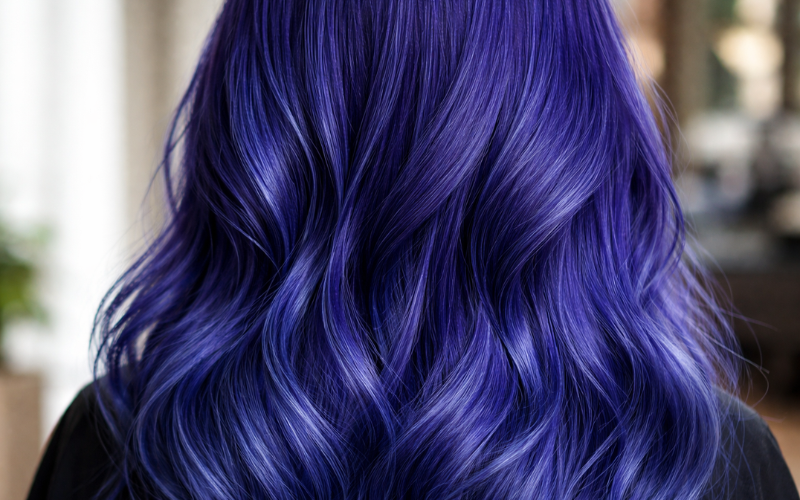
In everyday use, coloration indigo is understood as a deep blue with hints of purple, darker than most blues but softer than black. It often suggests depth, calmness, and strength. In art and design discussions, the term helps distinguish indigo from lighter blues or brighter synthetic shades, focusing on its unique visual character.
Because coloration indigo can be created through both natural and modern methods, its meaning adapts depending on context. In traditional settings, it often refers to plant-based dyes. In modern industries, it may describe a specific color standard used in textiles, digital design, or printing.
Historical Roots of Coloration Indigo
The history of coloration indigo stretches back several thousand years, making it one of the oldest known colorants used by humans. Ancient civilizations valued indigo not only for its beauty but also for its durability. Fabrics dyed with indigo retained their color longer than many other natural dyes, which made them highly desirable.
In early societies, coloration indigo became associated with trade, craftsmanship, and social identity. Indigo-dyed clothing often indicated status, profession, or cultural belonging. The spread of indigo dyeing techniques also helped connect distant regions through trade routes, allowing knowledge and materials to move across continents.
Over time, the use of coloration indigo evolved. What began as a labor-intensive craft slowly expanded into large-scale production, influencing economies and shaping cultural traditions. Even as new dyes were introduced, indigo maintained a special place due to its visual depth and symbolic value.
Natural Indigo Sources and Early Dye Practices
Natural coloration indigo originally came from plants that contained indigo-producing compounds. Leaves were harvested, soaked, and fermented to release the dye. This process required skill, patience, and careful timing, as small changes could affect the final color.
Early dye practices were deeply connected to local environments. Communities developed methods based on available plants, climate conditions, and water sources. As a result, coloration indigo could vary slightly from region to region, giving each culture its own recognizable shade and technique.
The Science Behind Coloration Indigo
From a scientific perspective, coloration indigo is defined by how the pigment interacts with light and material surfaces. Indigo does not simply sit on top of fabric like paint. Instead, it bonds in a way that allows the color to appear deep and layered.
This unique behavior is one reason indigo-dyed materials often fade gradually rather than all at once. The fading process can create subtle variations, which many people find visually appealing. This natural aging effect has contributed to the lasting popularity of coloration indigo in clothing and textiles.
Modern science has helped explain why indigo behaves differently from other dyes, but its visual appeal still feels almost mysterious. The balance between absorption and reflection gives coloration indigo its recognizable richness.
Why Indigo Produces Its Distinctive Deep Tone
The deep tone of coloration indigo comes from the way its color molecules absorb most visible light while reflecting only a narrow range of blue wavelengths. This selective reflection creates a darker, more intense appearance compared to lighter blues.
Another factor is layering. In traditional dyeing, fabrics are dipped multiple times, allowing layers of color to build gradually. Each dip deepens the coloration indigo, resulting in a tone that feels complex rather than flat.
Coloration Indigo in Art, Fashion, and Design
Coloration indigo has long been a favorite among artists and designers because of its versatility. It can act as a strong focal color or a calm background tone, depending on how it is used. In visual art, indigo often conveys depth, shadow, and emotion.
In fashion, coloration indigo is especially well known for its use in denim and traditional garments. Designers appreciate its ability to feel both classic and modern at the same time. Indigo-colored fabrics pair easily with neutral shades, making them practical while still visually striking.
Interior and graphic designers also rely on coloration indigo to create a sense of balance and sophistication. Whether used in wall colors, textiles, or digital layouts, it adds visual weight without overwhelming the viewer.
Symbolism and Emotional Meaning of Coloration Indigo
Beyond its physical appearance, coloration indigo carries strong symbolic and emotional meanings. In many cultures, it is associated with wisdom, intuition, and inner calm. Its depth suggests thoughtfulness and reflection, making it a popular choice in spiritual and artistic contexts.
Psychologically, coloration indigo often creates a feeling of stability and trust. It is less energetic than bright blue but more expressive than dark gray or black. This balance makes it appealing in spaces meant for focus, creativity, or rest.
Cultural interpretations vary, but the common theme is depth. Whether representing knowledge, protection, or creativity, coloration indigo consistently signals something meaningful and lasting.
Modern Applications of Coloration Indigo
In the modern world, coloration indigo appears across many industries. Textiles remain its most familiar application, but it is also widely used in branding, packaging, and digital design. Companies often choose indigo tones to communicate reliability, quality, and confidence.
Sustainable fashion movements have renewed interest in natural indigo dyeing, linking coloration indigo with environmentally conscious practices. At the same time, advanced manufacturing allows precise color matching, ensuring consistency across large production runs.
In digital spaces, coloration indigo is valued for its readability and visual comfort. It works well on screens, offering contrast without harshness, which makes it suitable for websites, apps, and user interfaces.
How Coloration Indigo Differs from Similar Blue Shades
Although often grouped with other blues, coloration indigo is distinct in several ways. It is darker and more complex than navy, which tends to appear flatter and more uniform. Compared to cobalt or royal blue, indigo is less bright and more subdued.
Purple shades may appear similar at first glance, but coloration indigo leans more toward blue, with only a subtle hint of violet. This balance is what gives it its unique identity and prevents it from feeling overly bold or overly muted.
Understanding these differences helps designers, artists, and consumers choose the right shade for their needs, especially when precision matters.
Conclusion
Coloration indigo stands at the intersection of science, history, and creativity. Its deep blue tone tells a story of ancient craftsmanship, natural processes, and modern innovation. Whether seen in traditional fabrics or contemporary design, coloration indigo continues to communicate depth, meaning, and visual strength. Its lasting presence across cultures and industries shows that this unique coloration is not just a color from the past, but a living element of modern visual language.
FAQs
1. What does coloration indigo specifically refer to?
Coloration indigo refers to the visual qualities and appearance of the indigo color, including how it looks on different materials and how it is perceived culturally and emotionally.
2. Is coloration indigo natural or synthetic?
Coloration indigo can come from both natural plant-based sources and synthetic processes. The term itself focuses on the color effect rather than the method used to create it.
3. Why is coloration indigo historically important?
It played a major role in early trade, craftsmanship, and cultural identity due to its durability, beauty, and the complex skills required to produce it.
4. How is coloration indigo used today?
Today it is used in textiles, fashion, branding, interior design, and digital media, valued for its depth, versatility, and timeless appeal.
