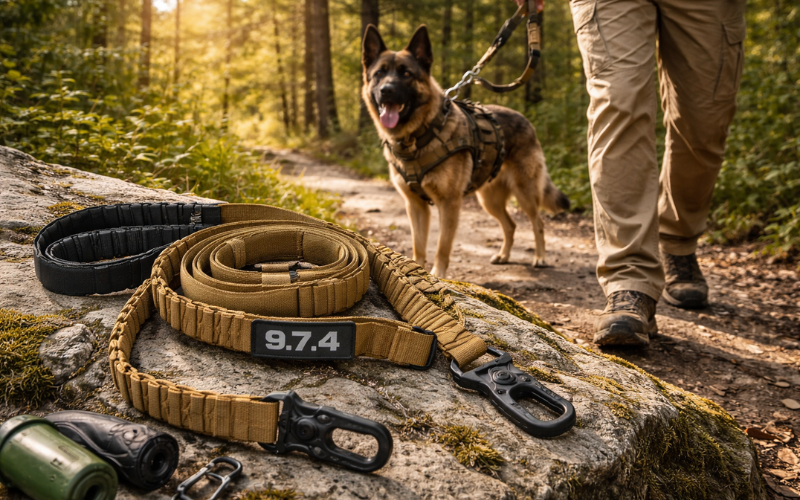
Introduction
The term 9.7.4 leash may sound technical at first, but in simple terms, it refers to a specific type or classification of leash designed for controlled restraint, safety, or equipment management in structured environments. The numbers usually indicate a version, specification, or model variation that sets it apart from other leash types.
You may encounter the phrase 9.7.4 leash in technical manuals, safety guidelines, equipment catalogs, or industry documentation. It often appears in contexts where safety, secure attachment, or regulated handling is important. While the exact meaning can vary depending on the field, the purpose remains consistent: to provide a reliable connection between two points in a controlled and safe way.
Understanding the 9.7.4 leash matters because proper equipment selection can directly impact safety, performance, and compliance. Whether used in industrial settings, controlled environments, or specialized operational systems, knowing what this designation means helps users make informed decisions.
In this article, you will learn what a 9.7.4 leash is, how it works, where it is commonly used, and how to choose and maintain one properly. The goal is to provide clear, practical information in plain language so you can fully understand the role and value of a 9.7.4 leash.
Understanding the Meaning of 9.7.4 Leash
At its core, a 9.7.4 leash is a leash or tether that follows a specific specification or version identified as 9.7.4. The numbering system usually reflects a technical standard, model update, or structural variation. It helps users and manufacturers identify the exact design and performance level of the leash.
The “9.7.4” part of the name may represent measurements, compliance codes, or internal product classification. In many systems, such numbers are used to distinguish between generations of equipment or to indicate a particular design configuration. This makes it easier for buyers and operators to select the correct model without confusion.
The main function of a 9.7.4 leash is to create a secure connection. It is designed to hold, guide, or restrict movement in a controlled way. This may involve connecting tools, securing equipment, managing movement, or ensuring safe handling during operations.
What makes a 9.7.4 leash different from other leash versions is its specific design profile. Other models may vary in strength, length, flexibility, or attachment mechanism. The 9.7.4 version is built to meet defined requirements that may not apply to earlier or alternative versions. These differences can affect performance, safety limits, and compatibility.
Key Features of a 9.7.4 Leash
A 9.7.4 leash is typically made up of several core components that work together to provide strength and reliability. These include a main tether body, attachment points on both ends, and reinforcement sections that improve durability.
The structural design usually focuses on balance between flexibility and strength. The leash must be strong enough to handle expected loads but flexible enough to allow controlled movement. Many 9.7.4 leash models are built with reinforced stitching, protective outer layers, or internal support fibers to improve durability.
Material choice plays an important role. Common materials include high-strength synthetic fibers, coated steel cables, or industrial-grade webbing. These materials are selected to resist wear, moisture, and environmental stress. In certain applications, corrosion resistance and temperature tolerance are also important.
Design characteristics may include shock-absorbing sections, locking connectors, or anti-twist features. These elements help prevent sudden strain, reduce stress on connected equipment, and improve user safety.
Safety and compliance are central to the 9.7.4 leash specification. In many environments, equipment must meet defined safety standards. The 9.7.4 leash is often manufactured according to regulated guidelines to ensure it performs reliably under specific conditions.
How 9.7.4 Leash Works in Practical Use
In practical terms, a 9.7.4 leash works by connecting two points and maintaining controlled restraint between them. One end is attached to a fixed or stable anchor point, while the other end connects to the equipment, object, or system being secured.
The operational mechanism is simple but effective. When movement occurs, the leash absorbs and manages that movement within its designed limits. If the connected object shifts or moves unexpectedly, the leash helps prevent uncontrolled motion.
In systems where multiple pieces of equipment interact, the 9.7.4 leash often works alongside other safety tools such as harnesses, mounting brackets, or control systems. Its role is not to operate independently but to act as a protective link within a larger setup.
It is typically applied in environments where equipment must remain secured but still allowed some controlled range of motion. This can include technical installations, mechanical systems, and structured operational spaces.
Under normal conditions, a properly installed 9.7.4 leash performs smoothly and consistently. It should not stretch excessively, twist, or loosen during use. Instead, it maintains steady tension and controlled flexibility, supporting safe and efficient operation.
Applications and Use Cases of 9.7.4 Leash
The 9.7.4 leash is used in industries where safety and controlled attachment are essential. This may include industrial facilities, technical maintenance environments, equipment handling operations, and specialized mechanical systems.
In common scenarios, it may be used to secure tools at height, stabilize components during installation, or prevent accidental drops. In controlled workspaces, it helps ensure that equipment remains attached even if unexpected movement occurs.
Specialized use cases may involve regulated sectors where specific equipment standards must be followed. In such cases, the 9.7.4 leash designation ensures compatibility with approved systems and compliance requirements.
However, the 9.7.4 leash may have limitations in certain conditions. Extreme temperatures, heavy loads beyond its rating, or exposure to harsh chemicals may reduce its effectiveness. It is important to understand its intended operating range before use.
Benefits of Using a 9.7.4 Leash
One of the main benefits of using a 9.7.4 leash is improved safety. By maintaining secure attachment, it reduces the risk of accidents caused by dropped or uncontrolled equipment.
It also provides functional advantages. Operators can work more confidently knowing that tools and components are secured. This can improve focus and overall productivity.
Efficiency can increase when the right leash version is used. Because the 9.7.4 leash is designed for specific performance standards, it reduces the need for adjustments or replacements caused by mismatched equipment.
Long-term reliability is another key benefit. When maintained properly, a 9.7.4 leash can provide consistent performance over time. Its durable materials and tested design help ensure it remains dependable in demanding environments.
Common Issues and Considerations
Like any equipment, the 9.7.4 leash has potential drawbacks if not used correctly. Overloading, improper installation, or exposure to unsuitable conditions can reduce its effectiveness.
Caution is required in situations where the expected load exceeds the leash’s rated capacity. Using the wrong version can lead to stress on the material and possible failure.
Compatibility concerns may arise if the 9.7.4 leash is connected to hardware not designed for its connectors or size. Mismatched attachment points can compromise safety.
There are also misunderstandings around the term. Some users may assume that all leashes labeled similarly are identical. In reality, even small differences in version numbers can indicate important design changes.
Choosing the Right 9.7.4 Leash for Your Needs
When selecting a 9.7.4 leash, it is important to evaluate your specific application. Consider the weight it must support, the environment where it will be used, and how much movement is required.
Quality indicators include strong stitching, solid connectors, clear labeling, and manufacturer documentation. A reliable 9.7.4 leash should include clear information about load capacity and usage limits.
Performance expectations should match your operational needs. If the environment involves moisture, heat, or heavy vibration, choose a model built to handle those conditions.
Practical decision-making involves reviewing specifications carefully and ensuring compatibility with existing systems. Choosing the correct 9.7.4 leash from the start helps avoid safety risks and unnecessary costs later.
Maintenance and Care Guidelines
Regular inspection is essential for maintaining a 9.7.4 leash. Check for signs of wear, fraying, corrosion, or weakened connectors before each use. Early detection of damage can prevent serious issues.
Proper storage helps extend its lifespan. The leash should be kept in a dry, clean environment away from direct sunlight or harsh chemicals. Avoid sharp bends or heavy pressure during storage.
Cleaning should follow manufacturer recommendations. In many cases, mild cleaning solutions and gentle drying are sufficient. Harsh chemicals can weaken certain materials.
Replacement becomes necessary when visible damage appears, when the leash has been exposed to overload, or when it reaches the end of its recommended service life. Continuing to use a worn 9.7.4 leash can compromise safety.
Conclusion
The 9.7.4 leash is more than just a simple tether. It represents a specific design standard built for secure attachment, controlled movement, and reliable performance. Whether used in industrial settings or specialized environments, understanding its purpose and features helps ensure safe and effective operation.
FAQs
1. What does 9.7.4 leash mean?
The term usually refers to a specific model or specification of a leash designed for controlled attachment and safety. The numbers help identify its version or compliance level.
2. Is a 9.7.4 leash suitable for all environments?
Not necessarily. It should be used within its rated capacity and environmental limits. Always check specifications before use.
3. How often should a 9.7.4 leash be inspected?
It should be inspected before each use and regularly according to workplace safety guidelines.
4. Can I replace a 9.7.4 leash with another version?
Only if the alternative version meets the same specifications and compatibility requirements. Always confirm performance ratings before substitution.
