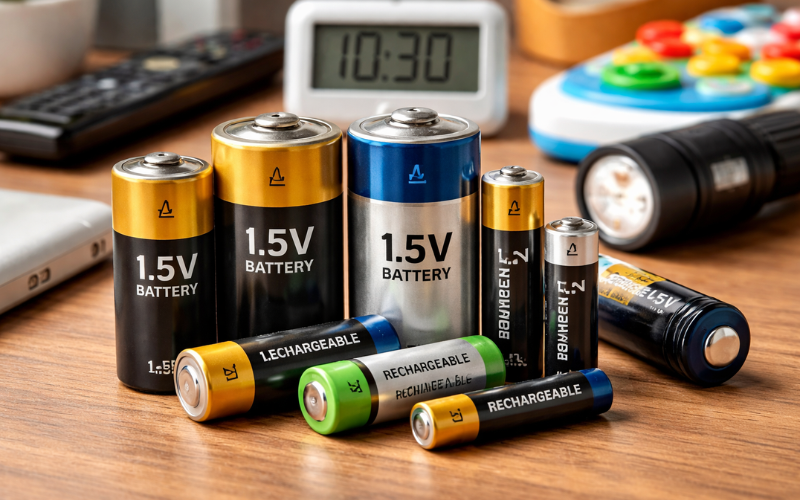
Introduction
A 1.5 volt battery is one of the most common power sources used in everyday life. From TV remotes to kids’ toys and wall clocks, these small batteries quietly keep thousands of simple devices working. If you’ve ever stood in front of a store shelf wondering which 1.5 volt battery to buy, you’re not alone. This guide explains what a 1.5 volt battery is, how it works, the main types and sizes, how long it lasts, and how to choose the best option for your device—using clear, simple language and practical advice.
What Is a 1.5 Volt Battery and How Does It Work?
A 1.5 volt battery is a single battery cell designed to provide about 1.5 volts of electrical pressure, which helps electricity move through a device. You can think of volts like “push.” The battery creates that push through a chemical reaction inside it. When you place a 1.5 volt battery into a device and turn it on, the battery’s chemicals begin reacting in a controlled way. That reaction releases tiny particles that travel through the device’s circuit, powering things like a small motor, a light, or an electronic sensor.
Even though we call it a 1.5 volt battery, the exact voltage can change slightly depending on the battery type and how much power is left. Many fresh alkaline 1.5 volt batteries start a little above 1.5 volts and slowly drop as they are used. Some devices continue working fine even as voltage drops, while others may stop suddenly when voltage gets too low. That’s why the same 1.5 volt battery can feel “great” in one device and “weak” in another.
The key thing to know is that a 1.5 volt battery is designed for low to moderate power needs. It’s a practical choice for devices that don’t need a lot of energy all at once, but need steady, reliable power over time.
Common Types of 1.5 Volt Battery You Should Know
Not all 1.5 volt battery options are the same. The type you choose affects performance, shelf life, cost, and how well it handles different devices. Most people see the same common names on packaging, but the differences can be confusing. Let’s make them easy.
Alkaline batteries are the most widely used 1.5 volt battery type. They are popular because they’re affordable, widely available, and work well in many everyday devices. Alkaline batteries are a strong all-around choice for remotes, wall clocks, wireless mice, and simple toys. They tend to perform best in devices that use power slowly and steadily. As they discharge, their voltage gradually drops. In many devices, that gradual drop is not a problem, but in some electronics you may notice weaker performance over time, such as dim lights or slower toy motors.
Lithium batteries can also be a 1.5 volt battery, depending on the specific chemistry used. These are often sold as “lithium” AA or AAA batteries and are known for strong performance, especially in demanding devices or cold temperatures. A lithium 1.5 volt battery often lasts longer than an alkaline one in high-drain devices, meaning devices that draw more power quickly, like cameras, smart locks, and some handheld gadgets. They also tend to have an excellent shelf life, which means they can sit unused for years and still be ready when you need them. The tradeoff is price—lithium options usually cost more.
Zinc-carbon batteries are another 1.5 volt battery type you may see, often labeled as “heavy duty.” Despite the name, they are usually best for very low-drain devices and light use. They typically cost less than alkaline batteries but also provide less energy and can run down faster. They can make sense for items like simple clocks or low-power remote controls, but many people find alkaline to be a better value in the long run because it lasts longer.
Rechargeable 1.5V options can be a little confusing because many common rechargeable batteries, like traditional NiMH AA batteries, are rated at 1.2 volts, not 1.5. However, there are modern rechargeable 1.5 volt battery options that use lithium-based systems with built-in electronics to provide a steady 1.5V output. These can be useful for devices that are picky about voltage, or devices that perform better with a consistent output. Rechargeable 1.5V batteries cost more upfront, but they can save money over time if you use them often. They also reduce waste, which many households appreciate.
When deciding among these types, the best approach is to match the battery to the device. For low-drain everyday items, alkaline is usually a solid, simple choice. For high-drain devices or very cold conditions, lithium can be worth it. For occasional, low-demand use, zinc-carbon may be acceptable. For frequent use, rechargeable 1.5V batteries can be a smart long-term option.
Standard Sizes Available in a 1.5 Volt Battery
The phrase “1.5 volt battery” describes the voltage, but size describes the shape and fit. Devices are designed for a specific battery size, and choosing the right one matters just as much as choosing the right type.
AA is one of the most common 1.5 volt battery sizes. AA batteries are used in many household items such as game controllers, wireless mice, flashlights, toys, and some small kitchen tools. They balance size and power well, which is why they’re so popular. When people say “regular batteries,” they often mean AA.
AAA is smaller than AA and is also a very common 1.5 volt battery size. AAA batteries are often used in TV remotes, small remotes, wireless keyboards, some LED lights, and compact devices. Because they are smaller, they usually have less energy than AA, so they may not last as long in power-hungry devices.
C batteries are larger and hold more energy than AA or AAA. A 1.5 volt battery in size C is often used in larger flashlights, some toys, and certain portable radios. C batteries are less common today than AA and AAA, but they are still important for devices that need longer runtime or stronger performance.
D batteries are larger again and are typically used in big flashlights, emergency lanterns, some boombox-style radios, and other devices that need longer-lasting power. A 1.5 volt battery in size D can deliver a lot of energy over time because of its larger internal capacity.
Other specialty sizes also exist. Some devices use smaller button-style batteries or less common cylindrical types. While many button batteries are not 1.5V (some are 3V), some older or specific button types can be around 1.5V. There are also specialty 1.5 volt battery formats used for medical devices, tools, or certain electronics. The safest way to confirm the correct size is to check the device’s battery compartment or manual. The size is usually printed inside, and it’s often clearer than trying to guess based on what looks “about right.”
Where a 1.5 Volt Battery Is Commonly Used
A 1.5 volt battery is so common because it fits a wide range of everyday needs. It powers many devices that don’t require large amounts of electricity, but still need dependable energy.
In the home, you’ll often find a 1.5 volt battery in TV remotes, wall clocks, wireless keyboards and mice, small flashlights, flameless candles, digital thermometers, and toys. In many of these items, the battery is used slowly, which is why standard alkaline batteries often perform well.
In safety and convenience devices, a 1.5 volt battery is also common. Some door sensors, motion sensors, smart locks, and small alarms use AA or AAA batteries. These devices may draw power steadily in the background and then use more power when activated. In those cases, battery quality matters, because a weak battery can cause unreliable performance or frequent replacements.
Outdoor and travel items also rely on 1.5 volt battery power, including camping lanterns, portable fans, battery-powered string lights, and travel gadgets. If you use a device in cold weather, battery type becomes more important, because cold temperatures can reduce performance—especially for alkaline batteries.
Many people also use 1.5 volt batteries in children’s items like toys, learning devices, and handheld games. These can be higher-drain devices, especially those with lights, sounds, and moving parts. In those cases, stronger batteries such as high-quality alkaline or lithium can make a noticeable difference.
The best takeaway is simple: a 1.5 volt battery is designed for common consumer devices, and your choice should depend on how much power the device uses and how often you use it.
How Long Does a 1.5 Volt Battery Last?
The most honest answer is: it depends. A 1.5 volt battery can last anywhere from a few hours to several years depending on the device, the battery type, and the conditions.
A wall clock can run for a year or more on a single AA alkaline 1.5 volt battery because it uses very little power. A TV remote may last many months or longer, especially if it’s not used constantly. On the other hand, a battery-powered toy with lights and sound may drain a 1.5 volt battery much faster because it uses more energy every time it runs.
Battery type also matters. In many high-drain devices, a lithium 1.5 volt battery can last longer than alkaline because it handles heavy power demands more efficiently. In low-drain devices, alkaline may be a cost-effective choice that still lasts a long time.
Storage and environment matter too. Heat can shorten battery life and increase the chance of leakage, while very cold temperatures can reduce performance temporarily. If a device is used outdoors in winter, a lithium 1.5 volt battery may keep working when an alkaline one struggles.
There is also the idea of “usable life,” which is different from “total life.” Some devices work fine until the battery is nearly empty, while others start acting strange when voltage drops a bit. For example, a remote might still work when a battery is weak, but a camera flash may stop working much sooner even if the battery still has some energy left. That’s why one person may say a 1.5 volt battery “dies fast” while another says it lasts forever—because the device experience is different.
Choosing the Right 1.5 Volt Battery for Your Device
Choosing the right 1.5 volt battery becomes simple when you focus on three things: what your device needs, how long you want it to last, and how you prefer to buy and store batteries.
The first thing to consider is power requirements. Some devices are low-drain, meaning they sip power slowly. Remotes, clocks, and basic sensors often fall into this group. For these, a reliable alkaline 1.5 volt battery is usually a practical, budget-friendly choice. Other devices are higher-drain, meaning they pull more power quickly or in bursts. Cameras, bright flashlights, motorized toys, and some smart devices are often in this category. In those cases, a lithium 1.5 volt battery can provide stronger performance, and it may actually be more cost-effective if it lasts significantly longer.
Shelf life and storage considerations are also important. If you keep spare batteries at home for emergencies, shelf life matters. Many people buy multi-packs and store them for months or years. In that case, choose a 1.5 volt battery known for good shelf stability. Also store batteries in a cool, dry place, away from direct heat. Avoid leaving loose batteries in drawers where they can touch metal objects, and don’t store them in hot areas like near ovens or inside parked cars.
Rechargeable vs. disposable options depend on your usage pattern. If you regularly replace batteries in the same devices, rechargeable 1.5V batteries can be a smart investment. For example, if your household goes through batteries quickly due to toys, gaming accessories, or portable gadgets, rechargeables can reduce both cost and waste over time. If you only replace batteries occasionally, disposable alkaline or lithium may be simpler.
A practical tip is to match your buying habits to your real needs. If a device is important and used often, it’s worth choosing a higher-quality 1.5 volt battery for reliability. If a device is rarely used, it may not need the most expensive option. The “best battery” is the one that fits the device, the situation, and your budget—without causing frequent replacements or device problems.
Safe Usage and Proper Disposal of a 1.5 Volt Battery
A 1.5 volt battery is generally very safe when used properly, but basic care matters because batteries store energy and contain chemicals.
Always install the battery in the correct direction, matching the plus and minus markings in the device. If batteries are inserted the wrong way, the device may not work and the batteries can overheat in some cases. If a device uses more than one battery, try to use the same type and brand together. Mixing old and new batteries, or mixing different types, can cause uneven performance and increase the risk of leakage.
Leakage is one of the most common battery problems people face. It usually happens when a battery is very old, stored in heat, left inside an unused device for too long, or pushed beyond its useful life. If you have a device you won’t use for a long time, it’s a good idea to remove the 1.5 volt batteries and store them safely. If you notice corrosion or white powder around the battery, avoid touching it with bare hands and clean the compartment carefully using safe methods, ideally with gloves.
For disposal, don’t throw large amounts of batteries into regular trash if your area has battery recycling programs. Many communities offer drop-off points for batteries. Even when rules vary by location, recycling is often the better option because it reduces environmental impact and keeps battery materials out of landfills. If you use rechargeable 1.5V batteries, recycling is especially important when they reach end-of-life.
Conclusion
A 1.5 volt battery is a simple but essential part of daily life, powering many of the small devices we rely on without thinking about it. Understanding the main types, the common sizes, and how different devices use power makes it much easier to choose the right 1.5 volt battery with confidence. Whether you pick alkaline for everyday use, lithium for stronger performance, or a rechargeable 1.5V option for frequent use, the best choice is the one that matches your device’s needs and your routine. With safe handling, smart storage, and responsible disposal, your 1.5 volt battery choices can be reliable, cost-effective, and easy to manage.
FAQs
1. What is a 1.5 volt battery used for?
A 1.5 volt battery is commonly used in everyday household devices such as TV remotes, wall clocks, flashlights, toys, wireless keyboards, and small electronic gadgets. It provides steady power for low to moderate energy needs.
2. How long does a 1.5 volt battery last?
The lifespan of a 1.5 volt battery depends on the device and battery type. In low-drain devices like clocks, it can last a year or more. In high-drain devices like toys or flashlights, it may last only weeks or months.
3. Can a 1.5 volt battery be recharged?
Most standard alkaline 1.5 volt batteries are not rechargeable. However, there are special rechargeable 1.5V batteries available in the market. Always check the label before attempting to recharge any battery.
4. Is a 1.5 volt battery the same as AA or AAA?
AA and AAA describe the size of the battery, while 1.5 volt refers to the voltage. Most AA and AAA batteries provide 1.5 volts, but the size and voltage are two different specifications.
